
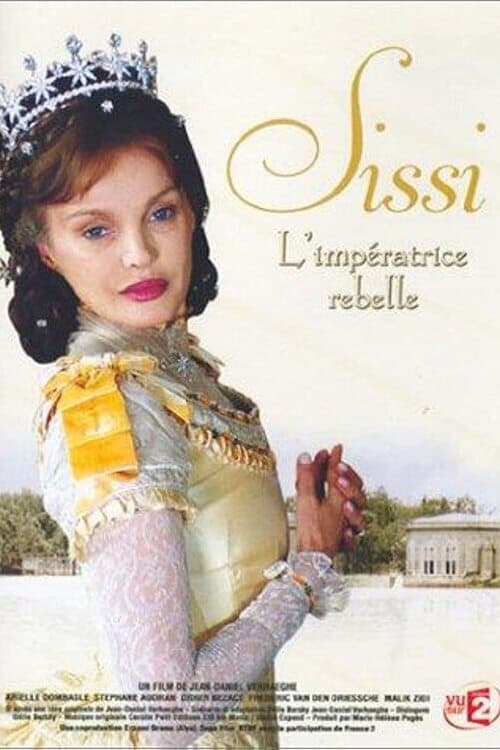
















Popular
What challenges does Sissi face in her marriage to Emperor Franz Joseph?
How does Sissi's relationship with her mother influence her character?
What role does Sissi's sister, Helene, play in the story?
How does Sissi's relationship with Franz Joseph evolve throughout the film?
What are the key moments that showcase Sissi's rebellious spirit?
Should I watch it?
Ask Your Own Question

What is the plot?
Sorry, we aren't able to watch and write up a full detailed plot yet. Check back in a few days.
More Movies Like This
Browse All Movies →






What is the ending?
In the ending of "Sissi, the Rebellious Empress," Empress Elisabeth, known as Sissi, faces the culmination of her struggles against the constraints of her royal life. After a series of personal and political conflicts, she ultimately decides to embrace her independence, leaving behind the rigid expectations of the Habsburg court. The film concludes with Sissi finding a sense of freedom and self-identity, even as she acknowledges the sacrifices she has made for her family and her role as empress.
As the final scenes unfold, we see Sissi standing on a balcony, gazing out at the vast landscape, symbolizing her longing for freedom. The camera captures her contemplative expression, reflecting her internal conflict and desire for autonomy. Meanwhile, her husband, Emperor Franz Joseph, grapples with the weight of his responsibilities and the impact of Sissi's choices on their relationship. The film closes with a poignant moment of connection between them, hinting at the enduring bond despite the challenges they face.
Now, let's delve into the ending in a more detailed, chronological narrative.
The final act of "Sissi, the Rebellious Empress" begins with a tense atmosphere at the Habsburg court. Sissi, portrayed with a mix of grace and defiance, is increasingly aware of the suffocating expectations placed upon her as empress. The court is abuzz with political intrigue, and Sissi feels the weight of her role pressing down on her. She is torn between her duties and her desire for personal freedom.
In a pivotal scene, Sissi confronts her husband, Emperor Franz Joseph, in their private chambers. The tension is palpable as they discuss the political pressures surrounding them. Sissi's frustration boils over as she expresses her longing for a life unbound by the constraints of royalty. Her voice trembles with emotion, revealing her vulnerability and the depth of her internal struggle. Franz Joseph, caught between his love for Sissi and his obligations as emperor, tries to reassure her, but the chasm between their worlds feels insurmountable.
As the narrative progresses, Sissi makes a bold decision. She chooses to leave the court, seeking solace in the countryside. This moment is visually striking, with sweeping shots of the lush landscapes that symbolize her yearning for freedom. Sissi rides through the fields, her hair flowing in the wind, embodying a spirit of rebellion and independence. The audience can feel her exhilaration as she escapes the confines of her royal life, if only temporarily.
However, the reality of her choice soon sets in. Sissi's departure creates ripples of concern among the court officials and her family. They fear the implications of her absence, both politically and personally. The emotional stakes rise as Sissi grapples with the consequences of her actions. She is torn between her love for her family and her need for self-identity.
In a climactic moment, Sissi returns to the palace, where she is met with mixed reactions. Franz Joseph, visibly worried, approaches her with a blend of relief and frustration. Their reunion is charged with unspoken words, as both characters navigate their complex emotions. Sissi's determination to assert her independence clashes with Franz Joseph's sense of duty, creating a poignant tension that underscores their relationship.
The film culminates in a powerful scene on the palace balcony. Sissi stands alone, gazing out at the horizon, her expression a mixture of hope and melancholy. The camera lingers on her face, capturing the essence of her character--a woman caught between the roles of empress and individual. In this moment, she embodies the struggle for autonomy, a theme that resonates throughout the film.
As the credits roll, the fate of the main characters is left somewhat open-ended. Sissi's journey towards self-discovery continues, suggesting that her rebellion against the constraints of her life is an ongoing battle. Franz Joseph remains committed to his role as emperor, yet his love for Sissi endures, hinting at the possibility of reconciliation and understanding in the future.
In summary, the ending of "Sissi, the Rebellious Empress" encapsulates the central conflict of the film: the struggle for personal freedom within the confines of duty and expectation. Sissi's journey is one of resilience and defiance, leaving the audience with a sense of hope for her continued quest for identity amidst the challenges of her royal life.
Is there a post-credit scene?
In the movie "Sissi, the Rebellious Empress" produced in 2004, there is no post-credit scene. The film concludes with a focus on the emotional and political struggles of Empress Elisabeth, highlighting her desire for independence and her complex relationship with the Habsburg court. The ending encapsulates her journey and the challenges she faces, leaving the audience with a sense of resolution regarding her character's arc without any additional scenes after the credits.
What challenges does Sissi face in her marriage to Emperor Franz Joseph?
Sissi faces numerous challenges in her marriage to Emperor Franz Joseph, primarily stemming from the rigid expectations of the Habsburg court and her struggle for independence. She feels stifled by the formalities and protocols of court life, which clash with her free-spirited nature. Additionally, her relationship with Franz is tested by political pressures and familial obligations, particularly as she navigates the complexities of being an empress while yearning for personal freedom.
How does Sissi's relationship with her mother influence her character?
Sissi's relationship with her mother, Duchess Ludovika, is complex and deeply influential. Ludovika embodies the traditional expectations of a woman in the royal family, which Sissi often rebels against. This tension creates a sense of longing in Sissi for her mother's approval while simultaneously fueling her desire to break free from societal constraints. Sissi's emotional struggles are heightened by her mother's insistence on adhering to courtly norms, leading to feelings of isolation and a quest for her own identity.
What role does Sissi's sister, Helene, play in the story?
Sissi's sister, Helene, plays a significant role in the narrative as both a foil and a source of conflict for Sissi. Helene is initially the one who is betrothed to Franz Joseph, which creates tension when Sissi captures his heart instead. This rivalry complicates their sisterly bond and highlights Sissi's rebellious nature against the expectations placed upon her. Helene's character also reflects the pressures of court life, as she embodies the traditional virtues that Sissi resists.
How does Sissi's relationship with Franz Joseph evolve throughout the film?
Sissi's relationship with Franz Joseph evolves from a passionate romance to a more complicated partnership as they face the realities of their roles. Initially, their love is characterized by youthful exuberance and deep affection, but as Sissi grapples with the constraints of her position, misunderstandings and external pressures begin to strain their bond. Franz's commitment to his duties often clashes with Sissi's desire for autonomy, leading to moments of tension and reconciliation that shape their relationship throughout the film.
What are the key moments that showcase Sissi's rebellious spirit?
Key moments that showcase Sissi's rebellious spirit include her defiance against court etiquette, such as when she refuses to conform to the expected behavior of an empress during formal events. Another pivotal scene is when she openly challenges the authority of her mother-in-law, Archduchess Sophie, asserting her independence. Additionally, Sissi's decision to ride horses freely and her interactions with the common people highlight her desire to break away from the constraints of royal life, emphasizing her struggle for personal freedom and identity.
Is this family friendly?
"Sissi, the Rebellious Empress" (2004) is generally considered family-friendly, but there are a few scenes and themes that might be potentially objectionable or upsetting for children or sensitive viewers.
-
Political Intrigue and Conflict: The film delves into the complexities of royal politics, including betrayal and manipulation, which may be difficult for younger viewers to fully understand.
-
Emotional Turmoil: Sissi experiences significant emotional struggles, including feelings of isolation and rebellion against the constraints of her royal life. These themes may resonate deeply and could be upsetting for some.
-
Romantic Tensions: There are scenes that depict romantic relationships and the challenges that come with them, which may include misunderstandings and emotional distress.
-
Depictions of War and Violence: The film touches on the impact of war and the consequences it has on families and nations, which may include scenes of conflict that could be distressing.
-
Family Struggles: Sissi's relationship with her mother-in-law and the pressures of royal expectations can lead to tense moments that might be uncomfortable for some viewers.
While these elements are integral to the story and character development, they may require parental guidance for younger audiences.






