

Loading additional questions...
Popular
What role does Pontius Pilate play in the trial of Jesus in the film?
How does Pilate's relationship with his wife, Claudia, influence his decisions?
What are the motivations behind the Jewish leaders' insistence on Jesus' execution?
How does Pilate's character evolve throughout the film?
What is the significance of the crowd's role in Pilate's decision-making process?
Should I watch it?
Ask Your Own Question

What is the plot?
Sorry, we aren't able to watch and write up a full detailed plot yet. Check back in a few days.





What is the ending?
Is there a post-credit scene?
What role does Pontius Pilate play in the trial of Jesus in the film?
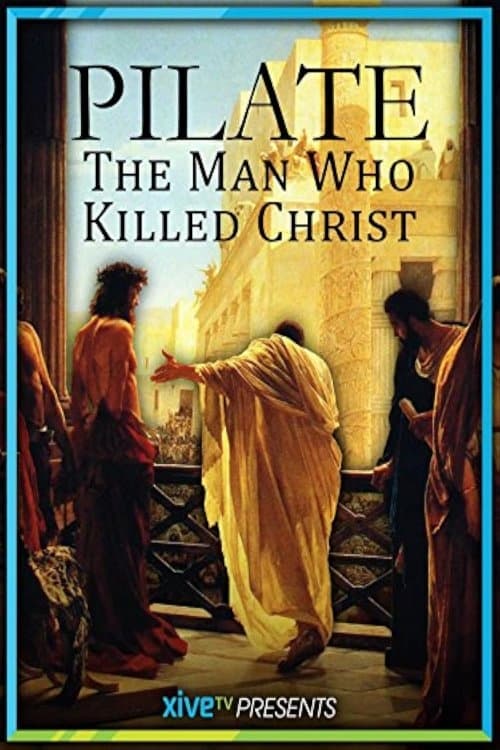
In 'Pilate: The Man Who Killed Christ', Pontius Pilate is depicted as the Roman governor of Judea who is caught in a moral and political dilemma during the trial of Jesus. He is portrayed as a conflicted character, torn between his duty to maintain order and his personal beliefs about justice. Throughout the trial, Pilate grapples with the pressure from the Jewish leaders and the crowd demanding Jesus' crucifixion, while also recognizing Jesus' innocence.
How does Pilate's relationship with his wife, Claudia, influence his decisions?
Claudia, Pilate's wife, plays a significant role in the film by expressing her deep concern about the fate of Jesus. She has a dream warning Pilate to have nothing to do with the 'just man.' Her emotional turmoil and pleas for compassion create an internal conflict for Pilate, as he struggles with the implications of condemning an innocent man, ultimately adding to his sense of guilt and responsibility.
What are the motivations behind the Jewish leaders' insistence on Jesus' execution?
In the film, the Jewish leaders are portrayed as motivated by a combination of fear, jealousy, and a desire to maintain their authority. They view Jesus as a threat to their power and the stability of their religious order. Their insistence on his execution is driven by a need to eliminate what they perceive as a challenge to their beliefs and control over the people.
How does Pilate's character evolve throughout the film?
Throughout 'Pilate: The Man Who Killed Christ', Pilate's character evolves from a seemingly detached ruler to a man deeply affected by the events surrounding Jesus' trial. Initially, he appears pragmatic and focused on maintaining peace, but as the story unfolds, he becomes increasingly tormented by his decisions. His internal struggle culminates in a profound sense of regret and moral conflict, highlighting his transformation from a figure of authority to one burdened by guilt.
What is the significance of the crowd's role in Pilate's decision-making process?
The crowd in the film serves as a powerful force that influences Pilate's decision-making process. Their chants for Jesus' crucifixion create an atmosphere of chaos and pressure, forcing Pilate to confront the reality of his position. The crowd's demands reflect the volatile political climate of the time and symbolize the collective will of the people, which ultimately sways Pilate's actions, illustrating the tension between personal conviction and public expectation.