



















Popular
What motivates the protagonist, Shivaji, to fight against the injustices faced by his people?
How does Shivaji's relationship with his mother influence his actions throughout the film?
What role does the antagonist, Bhavani, play in Shivaji's journey?
How does the film depict the theme of brotherhood through Shivaji's relationship with his friends?
What pivotal events lead to Shivaji's transformation into a leader for his community?
Should I watch it?
Ask Your Own Question

What is the plot?
Sorry, we aren't able to watch and write up a full detailed plot yet. Check back in a few days.




What is the ending?
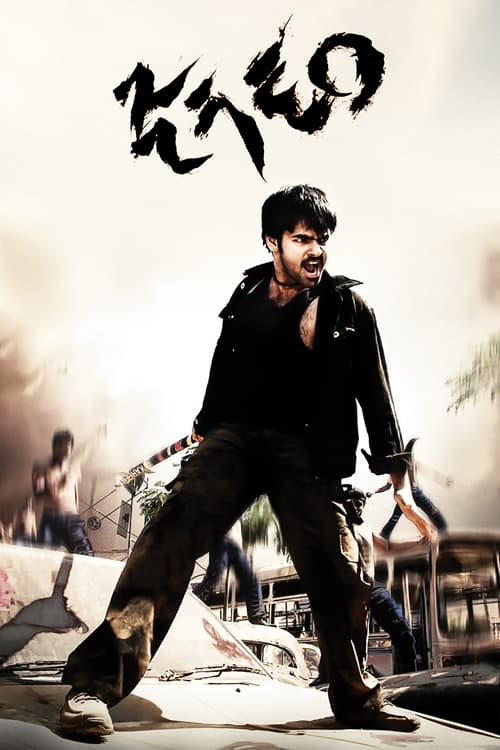
In the ending of "Chatrapathi," the protagonist, Shivaji, confronts his long-lost brother, who has become a powerful antagonist. After a fierce battle, Shivaji defeats his brother, leading to a resolution of their conflict. The film concludes with Shivaji being recognized as a hero by the people, and he vows to protect them, symbolizing hope and justice.
Now, let's delve into the ending in a detailed narrative fashion:
As the climax of "Chatrapathi" unfolds, the atmosphere is thick with tension. Shivaji, portrayed with a fierce determination, stands at the edge of a vast, desolate landscape, the remnants of a once-thriving village now marred by the tyranny of his brother, Bhavani. The sun hangs low in the sky, casting long shadows that mirror the weight of their shared past. Shivaji's heart pounds in his chest, a mix of anger and sorrow coursing through him as he prepares to confront the brother he once loved.
The scene shifts to Bhavani's stronghold, a fortress that symbolizes his ruthless reign over the people. Inside, Bhavani, clad in dark, imposing attire, exudes an air of arrogance and power. He is surrounded by his loyal henchmen, who look on with anticipation, knowing that a showdown is imminent. Bhavani's eyes narrow as he senses Shivaji's approach, a flicker of recognition and disdain crossing his face. The brothers, once inseparable, are now bitter enemies, each representing a different path forged by their experiences.
As Shivaji bursts into the stronghold, the atmosphere crackles with energy. The two brothers lock eyes, and in that moment, a flood of memories washes over them--childhood laughter, shared dreams, and the tragic separation that led them down divergent paths. Shivaji's voice, steady yet filled with emotion, calls out to Bhavani, urging him to remember their bond. But Bhavani, consumed by power and vengeance, scoffs at the notion of brotherhood, declaring that only the strong survive in this world.
The ensuing battle is fierce and visceral. Shivaji, fueled by a desire to liberate his people and reclaim his brother, fights with a raw intensity. Each blow exchanged is not just physical but laden with the weight of their shared history. The choreography of the fight is brutal, showcasing Shivaji's agility and strength against Bhavani's ruthless tactics. The clash of their wills reverberates through the stronghold, echoing the larger conflict between good and evil.
As the fight reaches its peak, Shivaji gains the upper hand. With a final, powerful strike, he disarms Bhavani, sending him crashing to the ground. The moment is heavy with emotion; Shivaji stands over his fallen brother, tears brimming in his eyes. He pleads with Bhavani to change, to see the error of his ways, but Bhavani, filled with rage and pride, refuses to relent. In a moment of desperation, he lunges at Shivaji, but Shivaji, with a heavy heart, delivers the final blow, ending Bhavani's reign of terror.
With Bhavani defeated, the stronghold falls silent. Shivaji, now a symbol of hope, emerges from the chaos, his face a mixture of triumph and grief. The villagers, who had suffered under Bhavani's rule, gather around Shivaji, their eyes filled with admiration and gratitude. They chant his name, celebrating his bravery and the promise of a new beginning. Shivaji, overwhelmed by their support, vows to protect them and rebuild their lives, embodying the spirit of a true leader.
In the final scenes, the camera pans out, capturing the villagers rallying around Shivaji as he stands tall, a beacon of hope against the backdrop of a setting sun. The film closes with a sense of renewal, emphasizing the themes of brotherhood, sacrifice, and the enduring fight for justice. Each character's fate is sealed in this moment: Shivaji emerges as a hero, while Bhavani's tragic end serves as a cautionary tale of the consequences of power and betrayal. The villagers, once oppressed, now look to Shivaji as their protector, ready to forge a brighter future together.
Is there a post-credit scene?
The movie "Chatrapathi," produced in 2005, does not have a post-credit scene. The film concludes with a powerful climax that wraps up the story of the protagonist, Shivaji, and his struggle against oppression. After the final confrontation and resolution of the main conflict, the film ends on a note of triumph and hope, focusing on Shivaji's journey and the impact of his actions on his community. The absence of a post-credit scene allows the audience to reflect on the themes of justice and resilience that permeate the film.
What motivates the protagonist, Shivaji, to fight against the injustices faced by his people?
Shivaji, played by Prabhas, is deeply motivated by the suffering of his family and the oppression of his village. After being separated from his mother and witnessing the brutal treatment of his fellow villagers by the local goons, his desire for justice and to reunite with his family becomes a driving force in his life. His internal struggle is marked by a mix of anger, determination, and a sense of responsibility towards his community.
How does Shivaji's relationship with his mother influence his actions throughout the film?
Shivaji's relationship with his mother is central to his character development. After being forcibly separated from her, he carries the emotional weight of their bond, which fuels his quest for justice. His longing to reunite with her serves as a poignant reminder of his roots and the innocence of his childhood, pushing him to confront the corrupt forces that have torn his family apart.
What role does the antagonist, Bhavani, play in Shivaji's journey?
Bhavani, portrayed by Pradeep Rawat, serves as the primary antagonist who embodies the systemic oppression faced by Shivaji and his village. His ruthless tactics and control over the local populace create a stark contrast to Shivaji's quest for justice. Bhavani's actions not only provoke Shivaji's transformation from a victim to a warrior but also highlight the larger societal issues that Shivaji aims to dismantle.
How does the film depict the theme of brotherhood through Shivaji's relationship with his friends?
Shivaji's friendships are depicted as a source of strength and solidarity. His bond with his friends, who stand by him in the face of adversity, showcases the theme of brotherhood. They support him in his fight against Bhavani, and their camaraderie is portrayed through shared struggles and sacrifices, emphasizing the importance of loyalty and unity in overcoming oppression.
What pivotal events lead to Shivaji's transformation into a leader for his community?
Shivaji's transformation into a leader is marked by several pivotal events, including the brutal attacks on his village, the loss of his family, and his encounters with Bhavani's henchmen. Each confrontation ignites a fire within him, pushing him to take a stand against the injustices. His experiences of betrayal and loss ultimately galvanize him to rally his community, leading them in a fight for their rights and dignity.
Is this family friendly?
"Chatrapathi," produced in 2005, contains several elements that may not be suitable for children or sensitive viewers. Here are some potentially objectionable or upsetting aspects:
-
Violence and Brutality: The film features intense scenes of violence, including physical confrontations, beatings, and bloodshed, which may be distressing for younger audiences.
-
Themes of Oppression: The narrative revolves around themes of oppression and injustice, showcasing the struggles of the protagonist against a corrupt system, which can be heavy and emotionally charged.
-
Emotional Trauma: Characters experience significant emotional turmoil, including loss, betrayal, and suffering, which may be upsetting for sensitive viewers.
-
Family Separation: The story includes elements of family separation and the impact of such events on individuals, which can evoke strong feelings of sadness and empathy.
-
Corruption and Exploitation: The portrayal of societal corruption and exploitation may be difficult for younger viewers to understand and process.
These elements contribute to a mature narrative that may not be appropriate for all audiences, particularly children.








