





Popular
What challenges do the Taínos face from the Spanish colonizers in the film?
How does the character of the Taíno chief evolve throughout the film?
What role does the Taíno woman play in the narrative?
How do the Taínos respond to the arrival of the Spanish ships?
What significant events lead to the decline of the Taíno population in the film?
Should I watch it?
Ask Your Own Question

What is the plot?
Sorry, we aren't able to watch and write up a full detailed plot yet. Check back in a few days.






What is the ending?
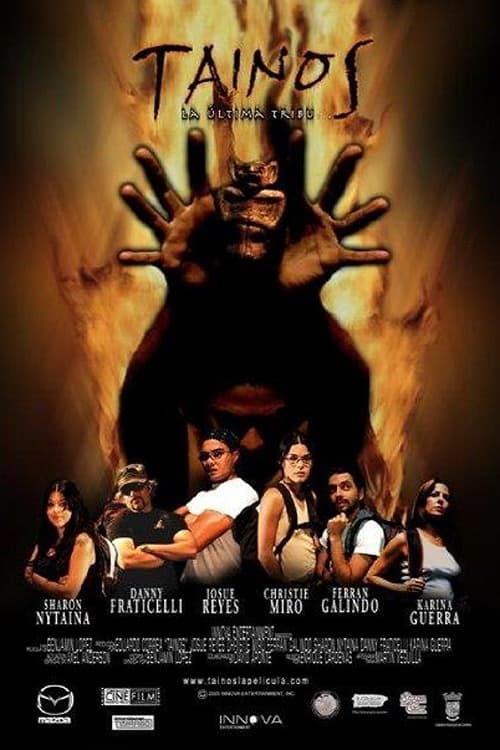
In the ending of "Taínos: la última tribu," the remaining Taíno people face the harsh realities of colonization. The film concludes with a poignant reflection on their struggle for survival and identity, as they confront the loss of their culture and the impact of European conquest.
As the film progresses towards its conclusion, the tension escalates. The Taíno community, led by their chief, grapples with the encroaching threat of Spanish colonizers. The chief, embodying the spirit of resistance, rallies his people, urging them to hold onto their traditions and way of life despite the overwhelming odds against them.
In a climactic scene, the Taíno warriors prepare for a final confrontation with the Spanish forces. The atmosphere is thick with a mix of fear and determination. The warriors, adorned in traditional attire, stand united, their faces reflecting a blend of hope and despair. They know that this battle may be their last stand, but they are resolute in their commitment to protect their land and heritage.
As the battle unfolds, the Taíno warriors fight valiantly, showcasing their skills and bravery. However, the superior weaponry and tactics of the Spanish forces prove devastating. One by one, the Taíno warriors fall, their sacrifices echoing the tragic fate of their people. The chief, witnessing the loss of his comrades, feels a deep sense of sorrow but also a fierce pride in their courage.
In the aftermath of the battle, the surviving Taíno are left to confront the reality of their situation. The chief, now burdened with grief, reflects on the legacy of his people. He understands that while they may have lost the battle, their spirit and culture will endure in the hearts of those who remain. The film closes with a haunting image of the chief standing alone, gazing out over the land that was once vibrant with life, now overshadowed by the looming presence of colonization.
The fate of the main characters is sealed in this tragic conclusion. The chief, representing the last vestiges of Taíno leadership, is left to carry the weight of his people's history. The warriors who fought bravely are lost, their lives extinguished in the struggle for survival. The remaining members of the community are left to navigate a world that has changed irrevocably, holding onto the hope that their culture will not be forgotten.
In this final act, the film encapsulates the themes of resilience, loss, and the enduring spirit of a people facing extinction. The Taíno may have been defeated, but their story, their fight, and their identity linger on, a testament to their strength in the face of overwhelming adversity.
Is there a post-credit scene?
The movie "Taínos: la última tribu," produced in 2005, does not feature a post-credit scene. The film concludes its narrative without any additional scenes or content after the credits roll. The focus remains on the story of the Taíno people and their struggles, emphasizing their culture and the impact of colonization. The ending serves to encapsulate the themes of resilience and the preservation of identity rather than setting up any further narrative developments.
What challenges do the Taínos face from the Spanish colonizers in the film?
In 'Taínos: la última tribu', the Taínos face numerous challenges from the Spanish colonizers, including violent confrontations, the imposition of foreign diseases, and the threat of enslavement. The film depicts the initial encounters where the Taínos, portrayed as peaceful and hospitable, are met with aggression and exploitation, leading to a struggle for survival and resistance against the invaders.
How does the character of the Taíno chief evolve throughout the film?
The Taíno chief in the film begins as a proud and confident leader, embodying the strength and traditions of his people. As the story progresses and the threat from the Spanish grows, he experiences moments of doubt and fear for his people's future. His evolution is marked by a deepening resolve to protect his tribe, leading to strategic decisions that reflect both his desperation and his commitment to his people's survival.
What role does the Taíno woman play in the narrative?
The Taíno woman in 'Taínos: la última tribu' serves as a crucial figure representing resilience and cultural continuity. She is depicted as a caregiver and a warrior, embodying the spirit of her people. Her interactions with both the chief and the Spanish colonizers highlight her strength and intelligence, as she navigates the complexities of her world, often acting as a voice of reason and hope amidst the chaos.
How do the Taínos respond to the arrival of the Spanish ships?
Upon the arrival of the Spanish ships, the Taínos initially respond with curiosity and hospitality, believing the newcomers to be potential allies or trading partners. However, as the true intentions of the colonizers become clear, their response shifts to one of alarm and resistance. The film captures the tension of this transition, showcasing the Taínos' initial naivety and their subsequent realization of the impending threat to their way of life.
What significant events lead to the decline of the Taíno population in the film?
The decline of the Taíno population in 'Taínos: la última tribu' is marked by several significant events, including violent confrontations with the Spanish, the introduction of diseases that decimate their numbers, and the forced labor imposed by the colonizers. The film poignantly illustrates the emotional toll these events take on the community, showcasing the grief and despair that accompany the loss of loved ones and the destruction of their culture.
Is this family friendly?
"Taínos: la última tribu" is a film that explores the history and culture of the Taíno people, focusing on their struggles and resilience in the face of colonization. While the film is educational and aims to shed light on the Taíno heritage, it does contain some scenes that may be considered objectionable or upsetting for children or sensitive viewers.
-
Violence and Conflict: The film depicts the arrival of European colonizers and the ensuing conflicts. There are scenes of battles and confrontations that may be intense for younger audiences.
-
Depictions of Suffering: The Taíno people experience loss and suffering due to colonization, which may include scenes of emotional distress, mourning, and the impact of disease.
-
Cultural Displacement: The film addresses themes of cultural erasure and the struggles of the Taíno people to maintain their identity, which may be heavy topics for some viewers.
-
Historical Realities: The portrayal of the harsh realities faced by indigenous populations during colonization may be upsetting, as it reflects real historical events that involved violence and oppression.
Overall, while the film is rich in cultural significance and storytelling, parents may want to consider these elements when determining if it is suitable for younger viewers.







