















Popular
What is the significance of the character Ellen in Vinegar Hill?
How does the setting of Vinegar Hill influence the characters' lives?
What role does the character of the husband, Paul, play in Ellen's life?
How does Ellen's relationship with her sister impact the story?
What events lead to Ellen's realization about her life and choices?
Should I watch it?
Ask Your Own Question

What is the plot?
Sorry, we aren't able to watch and write up a full detailed plot yet. Check back in a few days.
More Movies Like This
Browse All Movies →


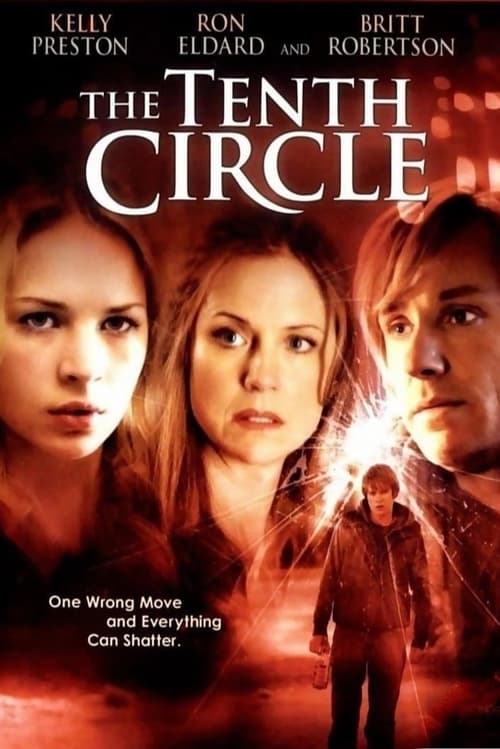




What is the ending?
In the ending of "Vinegar Hill," the protagonist, a woman named Ellen, confronts her troubled past and the oppressive environment of her marriage. After a series of emotional revelations and confrontations, she ultimately decides to leave her husband, taking her children with her. The film concludes with Ellen finding a sense of liberation and hope for a new beginning.
As the film approaches its conclusion, the tension within Ellen's life escalates. The scene opens with Ellen sitting in her dimly lit kitchen, the weight of her circumstances pressing heavily on her shoulders. She reflects on the years spent in a stifling marriage, filled with emotional turmoil and the haunting memories of her past. The camera captures her weary expression, the lines of stress etched on her face, as she contemplates her next steps.
In the following scene, Ellen has a heated confrontation with her husband, who is increasingly controlling and dismissive. The atmosphere is thick with unspoken resentment as they exchange sharp words. Ellen's internal struggle is palpable; she feels trapped in a life that has become suffocating. The dialogue reveals her desperation for freedom and the desire to protect her children from the toxic environment.
As the night deepens, Ellen seeks solace in her memories, recalling moments of joy and love that have long been overshadowed by her husband's oppressive nature. The film intercuts these memories with her present reality, emphasizing the stark contrast between her past happiness and her current despair. The emotional weight of these recollections drives her to a breaking point.
In a pivotal scene, Ellen gathers her children, her heart racing with a mix of fear and determination. She knows that leaving her husband is a monumental step, fraught with uncertainty. The camera lingers on her children's innocent faces, highlighting her fierce maternal instinct to protect them from the cycle of pain she has endured. As they prepare to leave, Ellen's resolve solidifies; she is ready to reclaim her life.
The climax unfolds as Ellen confronts her husband one last time. The tension is electric, and the stakes are high. She stands her ground, asserting her need for independence and a better life for her children. The confrontation is raw and emotional, with both characters revealing their vulnerabilities. Ellen's husband, caught off guard by her newfound strength, struggles to maintain control, but Ellen's determination shines through.
In the final moments of the film, Ellen and her children drive away from their home, the landscape blurring past them as they embark on a new journey. The camera captures the sense of liberation in Ellen's expression, a mixture of relief and hope. The weight of her past begins to lift as they leave Vinegar Hill behind, symbolizing her break from the chains of her former life.
As the credits roll, the audience is left with a sense of closure for Ellen. She has taken a courageous step towards healing and self-discovery, while her husband is left to grapple with the consequences of his actions. The film concludes on a note of resilience, emphasizing the importance of breaking free from toxic relationships and the pursuit of personal freedom.
Is there a post-credit scene?
The movie "Vinegar Hill," produced in 2005, does not contain a post-credit scene. The film concludes its narrative without any additional scenes or content after the credits roll. The story wraps up with a focus on the emotional and psychological journey of the main character, as she navigates her complex relationships and the challenges she faces in her life. The ending emphasizes the themes of resilience and the search for personal identity, leaving the audience with a sense of closure regarding the character's struggles and growth.
What is the significance of the character Ellen in Vinegar Hill?
Ellen is the protagonist whose internal struggles and emotional turmoil drive the narrative. She grapples with her past, her relationships, and the oppressive environment of her marriage. Her character embodies the themes of isolation and the quest for personal freedom.
How does the setting of Vinegar Hill influence the characters' lives?
The setting of Vinegar Hill, a small, close-knit community, plays a crucial role in shaping the characters' experiences. The physical landscape reflects the emotional landscape of the characters, with its oppressive atmosphere mirroring Ellen's feelings of entrapment and her longing for escape.
What role does the character of the husband, Paul, play in Ellen's life?
Paul, Ellen's husband, represents the societal and familial pressures that confine her. His controlling nature and emotional distance contribute to Ellen's feelings of isolation and despair, making her journey toward self-discovery and liberation all the more poignant.
How does Ellen's relationship with her sister impact the story?
Ellen's relationship with her sister serves as a contrast to her own struggles. Her sister's seemingly stable life highlights Ellen's dissatisfaction and longing for connection, while also providing a glimpse of what a supportive relationship could look like, intensifying Ellen's internal conflict.
What events lead to Ellen's realization about her life and choices?
Key events, such as confrontations with Paul, moments of reflection, and interactions with other characters, lead Ellen to confront her reality. These moments of clarity force her to evaluate her life choices, ultimately pushing her toward a path of self-empowerment and the desire for change.
Is this family friendly?
"Vinegar Hill," produced in 2005, is a drama that explores complex themes and emotional struggles within a family. While it does not contain overtly graphic content, there are several potentially objectionable or upsetting aspects that may not be suitable for children or sensitive viewers:
-
Domestic Tension: The film portrays significant family conflict, including arguments and emotional distress, which may be unsettling for younger audiences.
-
Themes of Loss and Grief: Characters deal with themes of loss, which can evoke strong emotional responses and may be difficult for children to process.
-
Substance Abuse: There are references to alcohol and its impact on family dynamics, which could be concerning for sensitive viewers.
-
Mental Health Struggles: The film touches on issues related to mental health, including depression and anxiety, which may be distressing for some.
-
Emotional Turmoil: Characters experience deep emotional pain and struggles, which may be intense and hard to watch for younger viewers.
Overall, while "Vinegar Hill" is a poignant exploration of family and personal challenges, its themes and emotional weight may not be appropriate for all audiences, particularly children.