














Popular
What motivates Dr. Stockmann to expose the truth about the water contamination?
How does the community react to Dr. Stockmann's discovery of the contaminated water?
What role does Peter Stockmann play in the story, and how does he oppose his brother?
How does the character of Hovstad change throughout the film?
What is the significance of the final confrontation between Dr. Stockmann and the townspeople?
Should I watch it?
Ask Your Own Question

What is the plot?
Sorry, we aren't able to watch and write up a full detailed plot yet. Check back in a few days.




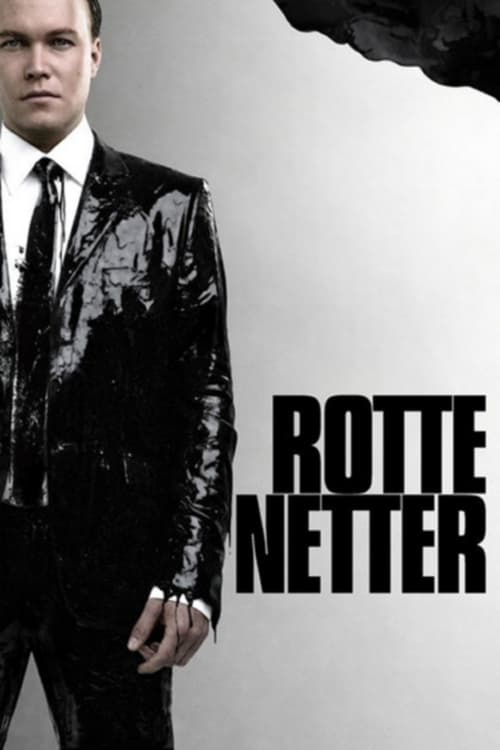
What is the ending?
In the ending of "An Enemy of the People," Dr. Stockmann faces the consequences of his revelations about the contaminated water in the town's baths. He stands alone against the townspeople who have turned against him, and despite his efforts to advocate for the truth, he is ultimately ostracized. The film concludes with Stockmann's resolve to continue fighting for what he believes is right, even if it means being labeled an enemy.
As the film approaches its climax, the tension escalates in the town hall where Dr. Thomas Stockmann, played by the passionate and idealistic protagonist, prepares to address the townspeople. The scene is charged with anticipation as he stands before a crowd that once revered him. The atmosphere is thick with a mix of hope and dread, as Stockmann is determined to reveal the truth about the water contamination that threatens the health of the community.
As he begins to speak, Stockmann's voice is filled with conviction. He passionately outlines the findings of his research, detailing how the water in the baths is polluted and poses a serious health risk. The townspeople, initially curious, begin to murmur among themselves, their expressions shifting from interest to disbelief. The mayor, Peter Stockmann, who is also Thomas's brother, stands at the forefront, visibly agitated. He knows that the truth will not only disrupt the town's economy but also his own political ambitions.
As Stockmann continues, he emphasizes the importance of public health over profit, urging the townspeople to take action for their safety. However, the crowd's mood quickly turns hostile. They are more concerned about the potential financial ruin that his revelations could bring to the town. The mayor seizes the moment to rally the townspeople against his brother, framing Stockmann as a traitor who threatens their livelihoods. The emotional turmoil is palpable as Stockmann realizes that the very people he sought to protect are now turning against him.
In a pivotal moment, Stockmann's wife, Katrine, stands by him, her face a mixture of pride and fear. She understands the weight of his convictions but is also aware of the impending backlash. As the crowd grows increasingly agitated, Stockmann's pleas for reason fall on deaf ears. The townspeople, fueled by fear and anger, label him an enemy of the people, and the mayor calls for his arrest.
The scene shifts to Stockmann's home, where he and Katrine confront the fallout of the town's decision. The emotional strain is evident as Stockmann grapples with feelings of isolation and betrayal. He is determined to stand firm in his beliefs, even as he faces the prospect of losing everything he holds dear. Katrine, torn between supporting her husband and the reality of their situation, expresses her concern for their family's future.
In the final moments of the film, Stockmann delivers a powerful monologue, reaffirming his commitment to truth and integrity. He declares that he will not be silenced, even if it means standing alone against the tide of public opinion. The film closes with Stockmann's resolute stance, symbolizing the struggle of the individual against societal pressures and the moral dilemmas faced when confronting uncomfortable truths.
As the credits roll, the fates of the main characters are left starkly defined. Dr. Thomas Stockmann remains steadfast in his pursuit of truth, despite being ostracized and labeled an enemy. Katrine, while supportive, is left to navigate the uncertain future alongside her husband. Peter Stockmann, representing the establishment, emerges as a figure of authority who prioritizes the town's economic stability over the well-being of its citizens. The film concludes with a poignant reminder of the cost of integrity in the face of collective denial.
Is there a post-credit scene?
The movie "An Enemy of the People" produced in 2005 does not have a post-credit scene. The film concludes its narrative without any additional scenes after the credits roll. The story wraps up with the central themes of truth, integrity, and the consequences of standing up against societal pressures, leaving the audience to reflect on the moral dilemmas faced by the characters.
What motivates Dr. Stockmann to expose the truth about the water contamination?
Dr. Stockmann is driven by a deep sense of moral responsibility and a commitment to public health. He initially believes that revealing the truth about the contaminated baths will protect the community and uphold his integrity as a physician. His passion for science and the well-being of his fellow citizens fuels his determination, even as he faces opposition.
How does the community react to Dr. Stockmann's discovery of the contaminated water?
The community's reaction is one of shock and anger. Initially, there is support for Dr. Stockmann, but as the implications of his findings threaten the town's economy and reputation, public sentiment quickly shifts. The townspeople, influenced by the mayor and other powerful figures, turn against him, viewing him as a traitor rather than a hero.
What role does Peter Stockmann play in the story, and how does he oppose his brother?
Peter Stockmann, Dr. Stockmann's brother, serves as the mayor and represents the interests of the town's economy. He opposes Dr. Stockmann's revelations because they threaten the financial stability of the baths, which are crucial for the town's prosperity. Peter's motivations are rooted in pragmatism and self-preservation, leading him to manipulate public opinion against Dr. Stockmann.
How does the character of Hovstad change throughout the film?
Hovstad, the editor of the local newspaper, initially supports Dr. Stockmann's findings, seeing an opportunity to champion the truth and gain influence. However, as the pressure mounts from the community and Peter Stockmann, Hovstad's resolve weakens. He ultimately prioritizes his own interests and the newspaper's financial viability over the truth, showcasing a shift from idealism to opportunism.
What is the significance of the final confrontation between Dr. Stockmann and the townspeople?
The final confrontation is a pivotal moment that encapsulates the struggle between truth and societal pressure. Dr. Stockmann stands firm in his beliefs, passionately defending his position despite the hostility from the townspeople. This scene highlights his isolation and the moral cost of integrity, as he realizes that his commitment to truth has made him an enemy in the eyes of those he sought to protect.
Is this family friendly?
"An Enemy of the People," produced in 2005, is a film that deals with complex themes and moral dilemmas, which may not be suitable for younger audiences or sensitive viewers. Here are some potentially objectionable or upsetting aspects:
-
Conflict and Tension: The film portrays intense conflicts between characters, including heated arguments and confrontations that may be distressing for children.
-
Moral Dilemmas: The protagonist faces significant ethical challenges that lead to emotional turmoil, which may be difficult for younger viewers to understand.
-
Social Pressure: The film explores themes of societal pressure and the consequences of standing up for one's beliefs, which can be heavy and unsettling.
-
Disappointment and Betrayal: Characters experience feelings of betrayal and disappointment, which can evoke strong emotional responses.
-
Public Outcry: Scenes depicting public protests and backlash against the protagonist may be intense and could be upsetting for sensitive viewers.
-
Isolation: The protagonist faces isolation and alienation from his community, which can be a poignant and potentially distressing theme.
These elements contribute to a narrative that is more suited for mature audiences, as it delves into serious social issues and personal struggles.








