
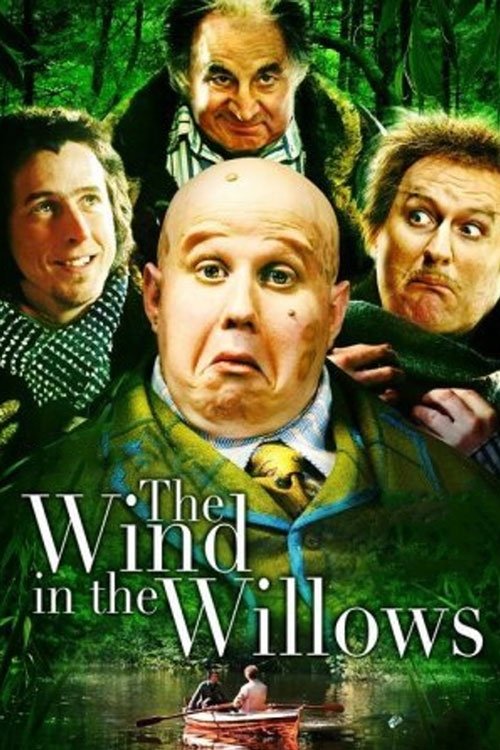
















Popular
What motivates Toad's reckless behavior throughout the film?
How does Ratty's relationship with Mole evolve during the story?
What role does Badger play in the story, and how does he influence Toad's fate?
What are the consequences of Toad's obsession with motorcars?
How do the characters work together to reclaim Toad Hall from the weasels?
Should I watch it?
Ask Your Own Question

What is the plot?
Sorry, we aren't able to watch and write up a full detailed plot yet. Check back in a few days.
More Movies Like This
Browse All Movies →






What is the ending?
In the ending of the 2006 film "The Wind in the Willows," Toad is finally able to reclaim his home after a series of misadventures. With the help of his friends Ratty, Mole, and Badger, he confronts the weasels who have taken over Toad Hall. The friends work together to outsmart the weasels, leading to a triumphant reclaiming of Toad Hall. Toad learns valuable lessons about friendship and humility, and the story concludes with a sense of camaraderie and celebration among the friends.
As the film approaches its conclusion, the tension builds around Toad Hall, which has been overtaken by the weasels. The scene opens with Toad, filled with determination, rallying his friends--Ratty, Mole, and Badger--who have come to support him in this critical moment. Toad, once brimming with arrogance and impulsiveness, now shows a more reflective side, understanding the importance of teamwork and loyalty.
The friends devise a plan to infiltrate Toad Hall and reclaim it from the weasels. The atmosphere is charged with a mix of anxiety and excitement as they approach the grand estate. The camera captures the lush surroundings of the riverbank, contrasting the chaos that has taken over Toad Hall. As they sneak closer, the tension is palpable; the weasels are shown lounging around, unaware of the impending confrontation.
In a pivotal scene, the friends burst into Toad Hall, and a chaotic battle ensues. The weasels, caught off guard, scramble to defend their newfound territory. Toad, fueled by a newfound sense of purpose, leads the charge, showcasing his bravery. Ratty and Mole work in tandem, using their cleverness to outsmart the weasels, while Badger's strength proves invaluable in the fray. The animation captures the frantic energy of the fight, with vibrant colors and dynamic movements that reflect the characters' emotions.
As the battle reaches its climax, Toad confronts the leader of the weasels. In a moment of vulnerability, Toad expresses his regret for his past behavior and acknowledges the importance of his friends. This moment of honesty resonates with the audience, showcasing Toad's growth. The weasels, taken aback by Toad's transformation, begin to falter in their resolve.
With a final push from Toad and his friends, the weasels are ultimately defeated, retreating in disarray. The scene shifts to a quieter moment as Toad stands in the grand hall of Toad Hall, now reclaimed. The camera pans around, capturing the familiar surroundings that Toad had once taken for granted. There is a sense of relief and joy as Toad realizes he is home again, surrounded by his loyal friends.
The film concludes with a celebratory gathering at Toad Hall. The atmosphere is filled with laughter and camaraderie as Ratty, Mole, Badger, and Toad share stories and enjoy each other's company. Toad, now humbled and grateful, expresses his appreciation for his friends, acknowledging that their support was crucial in his journey. The final scene captures the essence of friendship, with the characters united and content, reflecting on their adventures and the lessons learned.
In the end, Toad has not only reclaimed his home but has also gained a deeper understanding of himself and the value of friendship. Ratty, Mole, and Badger stand by him, their bonds strengthened through the trials they faced together. The film closes on a hopeful note, emphasizing the importance of community and the transformative power of friendship.
Is there a post-credit scene?
The 2006 adaptation of "The Wind in the Willows" does not feature a post-credit scene. The film concludes with a sense of resolution and closure, focusing on the themes of friendship, adventure, and the importance of home. The story wraps up with the characters reflecting on their experiences and the bonds they have formed, leaving the audience with a warm and satisfying ending. There are no additional scenes or content after the credits that expand on the narrative or introduce new elements.
What motivates Toad's reckless behavior throughout the film?
Toad's reckless behavior is primarily driven by his insatiable desire for excitement and adventure. He is portrayed as impulsive and easily swayed by the latest fads, such as his obsession with motorcars. This need for thrill often leads him into trouble, as he disregards the consequences of his actions, which ultimately puts his friends and home at risk.
How does Ratty's relationship with Mole evolve during the story?
Ratty's relationship with Mole evolves from one of initial curiosity and friendship to a deeper bond of loyalty and camaraderie. At first, Ratty is somewhat dismissive of Mole's naivety, but as they embark on adventures together, Ratty becomes more protective and supportive, especially when Mole faces challenges. Their friendship is tested but ultimately strengthens as they work together to help Toad.
What role does Badger play in the story, and how does he influence Toad's fate?
Badger serves as a wise and authoritative figure in the story, representing stability and reason. He is initially reclusive but becomes a crucial ally when Toad's reckless behavior leads to dire consequences. Badger's intervention helps to ground Toad, and he takes on the responsibility of guiding Toad back to a more sensible path, ultimately influencing Toad's redemption and the restoration of order in their lives.
What are the consequences of Toad's obsession with motorcars?
Toad's obsession with motorcars leads to a series of disastrous events, including his reckless driving, which results in a crash and his subsequent imprisonment. This obsession not only endangers his life but also jeopardizes his friendships and the safety of his home at Toad Hall, as it attracts the attention of the weasels who eventually take over his estate. The consequences force Toad to confront his behavior and seek redemption.
How do the characters work together to reclaim Toad Hall from the weasels?
The characters, led by Ratty, Mole, and Badger, come together to devise a plan to reclaim Toad Hall from the weasels. They utilize their unique strengths: Ratty's resourcefulness, Mole's determination, and Badger's strength and wisdom. Their teamwork is marked by moments of tension and humor, as they face obstacles and strategize to outsmart the weasels, ultimately culminating in a climactic confrontation that showcases their loyalty and bravery.
Is this family friendly?
The 2006 adaptation of "The Wind in the Willows" is generally considered family-friendly, but there are a few scenes and aspects that might be potentially objectionable or upsetting for children or sensitive viewers.
-
Conflict and Tension: There are moments of conflict between characters, particularly involving Toad's reckless behavior and the consequences that arise from it. This may create tension that could be unsettling for younger viewers.
-
Dangerous Situations: Toad's obsession with motorcars leads to dangerous situations, including crashes and near accidents. These scenes may evoke feelings of anxiety or fear.
-
Emotional Struggles: Characters experience feelings of frustration, disappointment, and sadness, particularly Toad, who faces the repercussions of his actions. These emotional moments may resonate deeply and could be upsetting for sensitive viewers.
-
Imprisonment: There is a scene where Toad is imprisoned, which may be distressing for younger audiences, as it touches on themes of captivity and loss of freedom.
-
Mild Threats: The presence of antagonistic characters, such as the weasels, introduces a sense of danger and threat, which might be frightening for some children.
Overall, while the film conveys themes of friendship, adventure, and redemption, these elements may require parental guidance for younger viewers.







