



























Popular
What is the significance of the character of the Roman centurion in the story?
How does the character of Mary Magdalene contribute to the plot?
What role does the setting of Jerusalem play in the film?
How does the centurion's relationship with his soldiers affect the story?
What is the impact of the character of Pontius Pilate on the plot?
Should I watch it?
Ask Your Own Question

What is the plot?
Sorry, we aren't able to watch and write up a full detailed plot yet. Check back in a few days.







What is the ending?
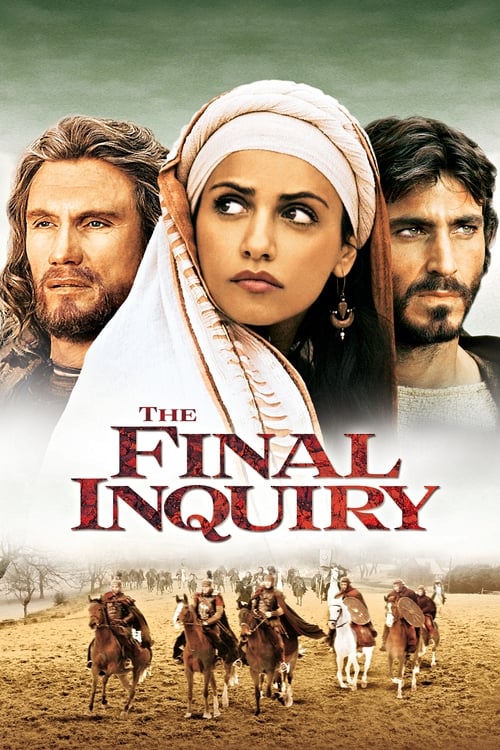
In the ending of "The Final Inquiry," the protagonist, a Roman centurion named Longinus, confronts the truth about Jesus Christ's resurrection. After a series of investigations and encounters, he ultimately finds himself grappling with his beliefs and the implications of his findings. The film concludes with Longinus making a significant choice that reflects his internal struggle and the impact of his journey.
As the final scenes unfold, Longinus, having traveled through various locations and met several key figures, stands at a crossroads of faith and duty. He has witnessed the aftermath of Jesus' crucifixion and the fervor of those who believe in the resurrection. The tension builds as he faces the consequences of his inquiries, which have led him to question the very foundations of his beliefs and the authority of the Roman Empire.
In a pivotal moment, Longinus encounters Mary Magdalene, who shares her profound experiences and unwavering faith in the resurrection. Her emotional testimony resonates deeply with him, stirring a conflict within. He is torn between his loyalty to Rome and the truth he has uncovered about Jesus. This encounter serves as a catalyst for his transformation, pushing him toward a decision that will define his character.
As the narrative progresses, Longinus is confronted by his superiors, who demand that he suppress the truth he has discovered. The pressure mounts, and he must choose between his allegiance to the empire and his newfound understanding of faith. In a climactic scene, he ultimately decides to embrace the truth, rejecting the orders of his superiors. This act of defiance signifies his internal change and commitment to a higher moral ground.
The film concludes with Longinus walking away from the oppressive grasp of the Roman authorities, symbolizing his liberation from doubt and fear. His fate is left somewhat ambiguous, but it is clear that he has chosen a path of faith over blind obedience. The final moments suggest that he will continue to seek the truth, embodying the struggle between belief and skepticism.
In summary, the ending of "The Final Inquiry" encapsulates Longinus's journey from a soldier bound by duty to a man seeking truth and faith. His fate reflects the broader themes of the film, highlighting the personal conflicts that arise when confronted with profound spiritual questions.
Is there a post-credit scene?
The movie "The Final Inquiry," produced in 2007, does not have a post-credit scene. The film concludes its narrative without any additional scenes or content after the credits roll. The story wraps up with the resolution of the main plot, focusing on the investigation into the resurrection of Jesus and the implications it has on faith and belief. The ending leaves viewers with a sense of closure regarding the characters' journeys and the themes explored throughout the film.
What is the significance of the character of the Roman centurion in the story?
The Roman centurion, played by a key actor, serves as a pivotal character who embodies the conflict between faith and skepticism. His journey reflects the internal struggle of a man torn between his duty to the Roman Empire and the growing curiosity about the events surrounding Jesus' resurrection. As he investigates the claims of the resurrection, his character evolves from a hardened soldier to someone who grapples with the possibility of faith.
How does the character of Mary Magdalene contribute to the plot?
Mary Magdalene is portrayed as a strong and pivotal figure in the narrative. Her emotional depth and unwavering belief in Jesus' resurrection challenge the societal norms of the time. She becomes a key witness in the centurion's inquiry, providing crucial testimony that drives the plot forward. Her interactions with the centurion reveal her strength and conviction, as she passionately defends her experiences and the truth of what she witnessed.
What role does the setting of Jerusalem play in the film?
Jerusalem serves as a rich and vibrant backdrop that enhances the film's narrative. The bustling streets, the tension-filled atmosphere, and the historical significance of the city during this tumultuous time create a palpable sense of urgency. The setting reflects the cultural and political tensions of the era, influencing the characters' motivations and actions as they navigate their beliefs amidst the chaos.
How does the centurion's relationship with his soldiers affect the story?
The centurion's relationship with his soldiers is complex and reveals his leadership style and moral dilemmas. As he conducts his inquiry, his soldiers exhibit loyalty but also skepticism, mirroring the broader societal doubts about the resurrection. This dynamic adds tension to the narrative, as the centurion must balance his authority with the growing unrest among his men, ultimately influencing his own beliefs and decisions.
What is the impact of the character of Pontius Pilate on the plot?
Pontius Pilate's character looms large over the narrative, representing the political and judicial authority of the time. His decisions and interactions with the centurion and other characters highlight the conflict between political power and moral responsibility. Pilate's presence serves as a reminder of the consequences of the centurion's inquiry, as the centurion grapples with the implications of his findings on both a personal and societal level.
Is this family friendly?
"The Final Inquiry," produced in 2007, is a historical drama that delves into themes of faith, doubt, and the search for truth surrounding the events following the crucifixion of Jesus Christ. While the film is not overtly graphic, it does contain elements that may be considered objectionable or upsetting for children or sensitive viewers.
-
Violence and Death: The film includes scenes depicting the aftermath of crucifixion and the emotional turmoil surrounding death, which may be distressing for younger audiences.
-
Religious Themes: The exploration of faith, doubt, and the implications of belief can be complex and may provoke challenging questions for children.
-
Emotional Turmoil: Characters experience significant emotional struggles, including grief, betrayal, and existential questioning, which may be heavy for sensitive viewers.
-
Historical Context: The film portrays a tumultuous period in history, which includes political intrigue and societal conflict that may be difficult for younger viewers to fully understand.
Overall, while the film is not explicitly inappropriate, its themes and emotional depth may require parental guidance for younger audiences.