

























Popular
How does the theme of betrayal manifest in the relationships between characters?
What motivates Willie Stark to pursue a political career?
How does Jack Burden's relationship with Willie Stark evolve throughout the film?
What role does Sadie Burke play in Willie's political rise?
What is the significance of the character Judge Irwin in the story?
Should I watch it?
Ask Your Own Question

What is the plot?
Sorry, we aren't able to watch and write up a full detailed plot yet. Check back in a few days.






What is the ending?
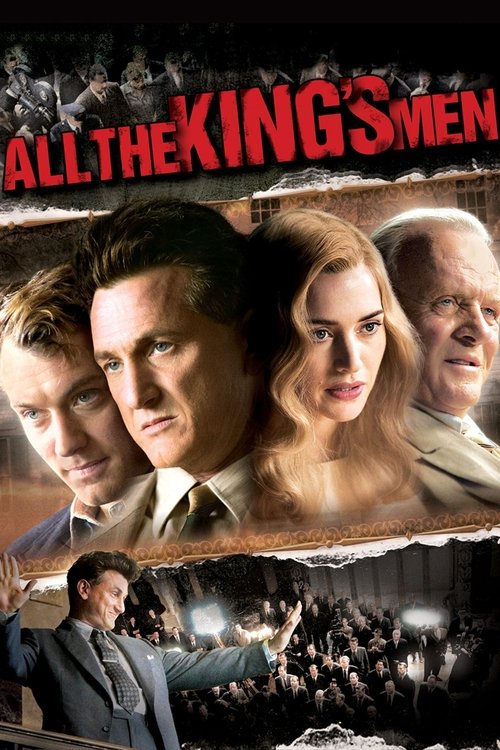
In the ending of "All the King's Men," Willie Stark's political ambitions lead to his downfall. After a series of betrayals and moral compromises, he faces the consequences of his actions. Jack Burden, who has been both a supporter and a critic of Willie, grapples with his own disillusionment. The film concludes with a sense of loss and reflection on the corrupting nature of power.
As the final act unfolds, the tension escalates in the political landscape of Louisiana. Willie Stark, portrayed by Sean Penn, has risen to power but at a significant moral cost. His once idealistic vision has been tainted by corruption and betrayal. The scene opens with Willie addressing a crowd, his charisma still evident, but the weight of his choices hangs heavily in the air. He is increasingly isolated, surrounded by sycophants who have their own agendas.
Jack Burden, played by Jude Law, is caught in a web of conflicting loyalties. He has been a close aide to Willie, but as he witnesses the erosion of Willie's integrity, he begins to question his own role in the political machine. Jack's internal struggle is palpable; he feels the burden of his past decisions and the impact they have had on his life and the lives of others.
In a pivotal scene, Jack confronts Willie about the moral compromises he has made. The confrontation is charged with emotion, as Jack expresses his disillusionment with the man he once admired. Willie, in turn, defends his actions, believing that the ends justify the means. This clash of ideals highlights the central conflict of the film: the struggle between ambition and morality.
As the political climate grows more hostile, Willie's enemies begin to close in. The tension culminates in a violent confrontation, where Willie's past decisions come back to haunt him. The scene is fraught with danger, as the stakes are raised and the consequences of Willie's actions become unavoidable. In a tragic turn, Willie is shot, a moment that symbolizes the ultimate price of his ambition and the fragility of power.
In the aftermath of the shooting, Jack is left to grapple with the fallout. He reflects on his journey, the choices he made, and the people he has lost along the way. The emotional weight of the narrative is heavy as Jack realizes that the pursuit of power often leads to destruction, not just for the ambitious but for those around them.
The film concludes with a somber tone, as Jack walks away from the chaos, burdened by the knowledge that the cycle of corruption and betrayal continues. The fate of the main characters is sealed in this moment: Willie Stark, once a beacon of hope, is now a tragic figure, consumed by his own ambition; Jack Burden, disillusioned and reflective, must carry the weight of his choices into an uncertain future. The ending leaves the audience with a poignant reminder of the complexities of power and the human condition.
Is there a post-credit scene?
The 2006 film "All the King's Men" does not have a post-credit scene. The movie concludes with its final scenes, focusing on the aftermath of the main character, Willie Stark's, rise and fall in the political landscape. The narrative wraps up without any additional scenes or content after the credits roll.
How does the theme of betrayal manifest in the relationships between characters?
Betrayal is a recurring theme in 'All the King's Men,' particularly in the relationships between Willie Stark, Jack Burden, and Sadie Burke. As Willie becomes more consumed by power, he betrays the ideals he once stood for, leading to disillusionment among his closest allies. Jack's betrayal of Judge Irwin, whom he once respected, highlights the personal costs of political ambition. Sadie's manipulations also reveal her willingness to betray her own feelings for the sake of power, creating a web of deceit that ultimately impacts all their lives.
What motivates Willie Stark to pursue a political career?
Willie Stark, played by Sean Penn, is initially motivated by a desire to help the common people of Louisiana after witnessing the corruption and ineffectiveness of the political system. His early experiences as a struggling farmer and his interactions with the disenfranchised citizens fuel his ambition to become a voice for the voiceless. However, as he gains power, his motivations shift towards personal ambition and the desire to maintain control.
How does Jack Burden's relationship with Willie Stark evolve throughout the film?
Jack Burden, portrayed by Jude Law, starts as a skeptical journalist who is drawn to Willie Stark's charisma and vision. Initially, he admires Stark's populist approach, but as he becomes more involved in Stark's political machinations, he grapples with moral dilemmas and the consequences of their actions. Jack's internal conflict deepens as he witnesses the corruption and ethical compromises that come with power, leading to a strained relationship with Stark.
What role does Sadie Burke play in Willie's political rise?
Sadie Burke, played by Kate Winslet, is a key figure in Willie Stark's political ascent. She is fiercely ambitious and serves as Willie's campaign manager, using her intelligence and charm to navigate the political landscape. Sadie's relationship with Willie is complex; she is both a supporter and a manipulator, pushing him to embrace his populist message while also struggling with her own feelings for him. Her influence is pivotal in shaping Willie's public persona.
What is the significance of the character Judge Irwin in the story?
Judge Irwin, portrayed by Anthony Hopkins, serves as a moral compass and a figure from Jack Burden's past. His character represents the old guard of politics and the ethical standards that are increasingly being compromised by Willie Stark's rise. As Jack uncovers Judge Irwin's secrets, the revelations force him to confront his own values and the implications of his loyalty to Willie, ultimately leading to a tragic confrontation.
Is this family friendly?
All the King's Men (2006) contains several elements that may not be suitable for children or sensitive viewers. Here are some potentially objectionable aspects:
-
Violence and Corruption: The film explores themes of political corruption and includes scenes depicting violence, both physical and emotional, that may be unsettling.
-
Strong Language: There are instances of strong language throughout the film, which may not be appropriate for younger audiences.
-
Substance Abuse: Characters are shown engaging in drinking and drug use, which could be concerning for sensitive viewers.
-
Moral Ambiguity: The film delves into complex moral issues, including betrayal and manipulation, which may be difficult for younger viewers to understand.
-
Emotional Turmoil: Characters experience significant emotional distress, including themes of loss, betrayal, and the consequences of ambition, which could be upsetting.
These elements contribute to a mature narrative that may not be suitable for all audiences.









