











Popular
What challenges did the cast face during the production of 'Diff'rent Strokes'?
How did the relationship between the characters Arnold and Willis evolve throughout the series?
What role did the character of Mr. Drummond play in the lives of the children?
What impact did the show's success have on the personal lives of the cast members?
How did the behind-the-scenes dynamics influence the show's production?
Should I watch it?
Ask Your Own Question

What is the plot?
Sorry, we aren't able to watch and write up a full detailed plot yet. Check back in a few days.
More Movies Like This
Browse All Movies →



What is the ending?
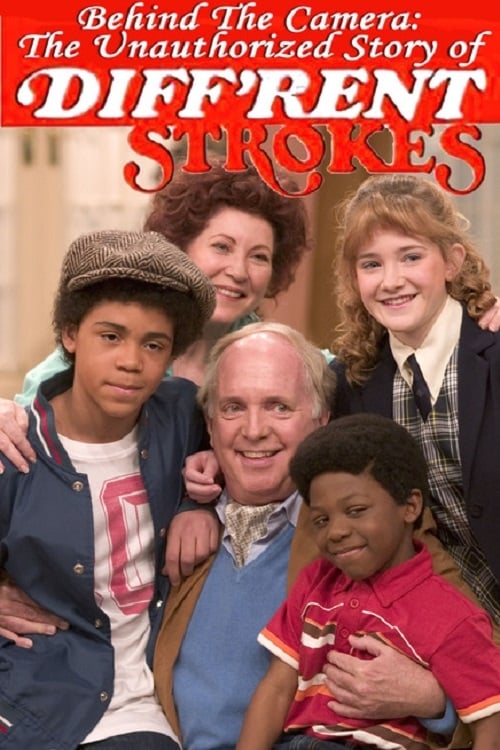
In the ending of "Behind the Camera: The Unauthorized Story of 'Diff'rent Strokes'," the film culminates in a reflection on the impact of the show and the personal struggles of its cast members. The narrative highlights the challenges faced by the actors, particularly Gary Coleman, who grapples with the consequences of fame and his financial difficulties. The film concludes with a somber acknowledgment of the darker realities behind the scenes of the beloved sitcom, leaving viewers with a sense of the bittersweet nature of success and the personal toll it can take.
As the film progresses towards its conclusion, the atmosphere shifts to a more reflective tone. The narrative begins with a montage of clips from "Diff'rent Strokes," showcasing its popularity and the joy it brought to audiences. However, this joy is juxtaposed with the personal struggles of the cast members, particularly Gary Coleman, who is portrayed as increasingly isolated and burdened by the weight of his fame.
In a pivotal scene, Gary is shown in a candid moment, expressing his frustration over the financial mismanagement of his earnings. The camera captures the raw emotion on his face, revealing a deep sense of betrayal and confusion. He confronts his former guardians and the producers, feeling that he has been exploited rather than celebrated. This moment is crucial as it highlights the internal conflict Gary faces--caught between the child star image and the adult reality of his life.
Meanwhile, Todd Bridges, who plays Willis, is depicted grappling with his own demons, including substance abuse. The film portrays his journey towards recovery, emphasizing the importance of support from friends and family. In a poignant scene, Todd shares a heartfelt conversation with Gary, reflecting on their shared experiences and the pressures of growing up in the spotlight. This moment serves to illustrate the bond between the two actors, forged through their struggles.
As the narrative unfolds, the film also touches on the fate of Dana Plato, who played Kimberly. Her story is marked by tragedy, and the film does not shy away from depicting her struggles with addiction and the challenges she faced after the show ended. In a somber scene, the characters reflect on her absence, underscoring the harsh realities of life after fame.
The film concludes with a montage of the cast members, interspersed with clips from the show, as they reminisce about their time on "Diff'rent Strokes." The final moments are bittersweet, as the characters acknowledge the impact the show had on their lives while also recognizing the personal costs associated with their fame. The screen fades to black, leaving the audience with a lingering sense of both nostalgia and sorrow, encapsulating the complex legacy of "Diff'rent Strokes" and its cast.
Is there a post-credit scene?
The movie "Behind the Camera: The Unauthorized Story of 'Diff'rent Strokes'" does not contain a post-credit scene. The film concludes its narrative without any additional scenes or content after the credits roll. The focus remains on the behind-the-scenes drama and the personal struggles of the cast during the production of the iconic television show.
What challenges did the cast face during the production of 'Diff'rent Strokes'?
The cast of 'Diff'rent Strokes' faced numerous challenges during the production, including personal struggles and the pressures of fame. Gary Coleman, who played Arnold, dealt with health issues related to his kidney condition, which affected his growth and led to a unique dynamic on set. Todd Bridges, who portrayed Willis, struggled with substance abuse, which created tension and concern among the cast and crew. Dana Plato, who played Kimberly, faced her own battles with addiction and personal crises, which were depicted in the film as contributing factors to her eventual struggles after the show ended.
How did the relationship between the characters Arnold and Willis evolve throughout the series?
The relationship between Arnold and Willis evolved from a typical sibling dynamic to a deeper bond as they navigated the challenges of their lives together. Initially, Arnold looked up to Willis as an older brother, but as the series progressed, their interactions showcased a mix of playful rivalry and genuine support. The film highlights key moments where their brotherly love is tested, particularly during times of personal crisis, illustrating how they relied on each other for emotional strength.
What role did the character of Mr. Drummond play in the lives of the children?
Mr. Drummond, played by Conrad Bain, served as a father figure to Arnold and Willis, providing them with guidance and support. The film emphasizes his commitment to raising the boys after adopting them, showcasing his struggles to balance his professional life with his responsibilities as a parent. Mr. Drummond's character is portrayed as compassionate and understanding, often stepping in to help the boys navigate their personal challenges, which highlights the show's themes of family and responsibility.
What impact did the show's success have on the personal lives of the cast members?
The success of 'Diff'rent Strokes' had a profound impact on the personal lives of the cast members, often leading to unforeseen challenges. Gary Coleman, despite his fame, faced financial difficulties and personal struggles that stemmed from his early success. Todd Bridges experienced a tumultuous journey with addiction, which the film depicts as a direct consequence of the pressures of being a child star. Dana Plato's life took a tragic turn, and the film explores how the fame from the show affected her mental health and personal relationships.
How did the behind-the-scenes dynamics influence the show's production?
The behind-the-scenes dynamics significantly influenced the production of 'Diff'rent Strokes', with tensions arising from personal issues among the cast and crew. The film illustrates how the pressures of fame and the personal struggles of the actors created a challenging work environment. Conflicts between the producers and the cast, particularly regarding the handling of serious topics within the show, are highlighted, showcasing how these dynamics affected the storytelling and the overall atmosphere on set.
Is this family friendly?
"Behind the Camera: The Unauthorized Story of 'Diff'rent Strokes'" is a dramatization that explores the behind-the-scenes dynamics of the popular television show. While it provides insight into the making of the series, it also touches on several potentially objectionable or upsetting themes that may not be suitable for children or sensitive viewers.
-
Substance Abuse: The film depicts struggles with drug and alcohol addiction, particularly focusing on the challenges faced by some of the cast members, which may be distressing for younger audiences.
-
Child Exploitation: There are references to the pressures and exploitation that child actors can face in the entertainment industry, which may be unsettling for viewers.
-
Family Struggles: The film portrays personal and familial conflicts, including issues of abandonment and the impact of fame on relationships, which could evoke strong emotional responses.
-
Mental Health Issues: Characters deal with mental health challenges, including depression and anxiety, which may be sensitive topics for some viewers.
-
Tragic Events: The narrative includes references to tragic events in the lives of the cast members, which could be upsetting.
These elements contribute to a more mature viewing experience, making it less suitable for a family-friendly audience.







