
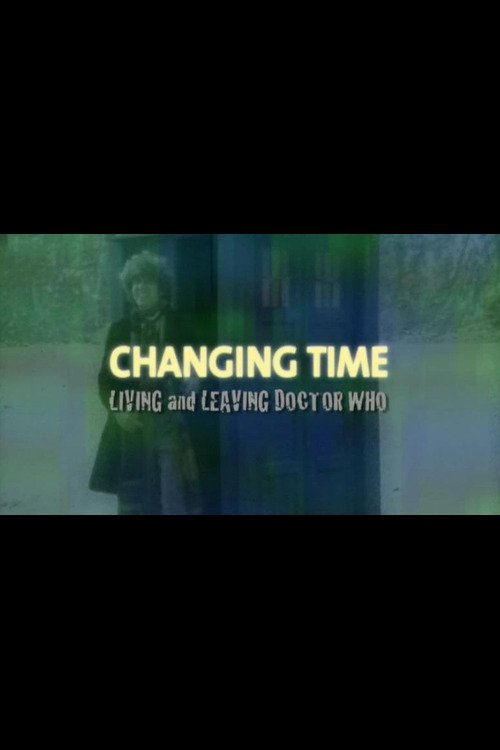










Popular
How do the supporting characters contribute to the main themes of the film?
What role does the Doctor play in the narrative of Changing Time?
How does the character of Rose Tyler evolve throughout the film?
What is the significance of the TARDIS in the film?
What challenges does the Doctor face in his relationships with his companions?
Should I watch it?
Ask Your Own Question

What is the plot?
Sorry, we aren't able to watch and write up a full detailed plot yet. Check back in a few days.
More Movies Like This
Browse All Movies →







What is the ending?
In the ending of "Changing Time: Living and Leaving Doctor Who," the documentary reflects on the legacy of "Doctor Who" and the impact of its various actors and creators. It culminates in a celebration of the show's enduring nature, with a focus on the emotional farewells of the actors who have portrayed the Doctor and companions over the years. The film concludes with a sense of nostalgia and hope for the future of the series.
As the film approaches its conclusion, it transitions into a montage of clips showcasing the various incarnations of the Doctor, interspersed with interviews from the actors who have played pivotal roles in the series. The emotional weight of their experiences is palpable, as they share their personal connections to the character and the show.
The camera lingers on David Tennant, who reflects on his time as the Tenth Doctor. His eyes glisten with emotion as he discusses the joy and challenges of stepping into such an iconic role. He expresses gratitude for the opportunity and acknowledges the bittersweet nature of leaving the character behind. The scene shifts to a heartfelt farewell, where Tennant bids adieu to the fans and the legacy of the Doctor, emphasizing the importance of the show's impact on both viewers and actors alike.
Next, the film highlights the contributions of other key figures, such as Russell T Davies, who revitalized the series in the 2000s. His passion for the show shines through as he recounts the challenges of bringing "Doctor Who" back to life and the joy it has brought to countless fans. The emotional resonance of his words underscores the collaborative spirit that has defined the series.
As the documentary nears its end, it showcases a series of fan tributes, illustrating the profound connection between the show and its audience. The screen fills with images of fans dressed as their favorite characters, attending conventions, and sharing their love for the series. This celebration of fandom serves as a reminder of the show's lasting legacy and its ability to inspire generations.
The final moments of "Changing Time: Living and Leaving Doctor Who" are filled with a sense of hope and continuity. The film closes with a montage of the TARDIS traveling through time and space, symbolizing the endless possibilities that lie ahead for the series. The screen fades to black, leaving viewers with a lingering sense of nostalgia and excitement for the future of "Doctor Who."
In summary, the fates of the main characters are intertwined with the legacy of the show itself. David Tennant, as the Tenth Doctor, leaves behind a profound impact, while Russell T Davies reflects on his role in revitalizing the series. The documentary encapsulates the emotional journey of both the actors and the fans, celebrating the enduring spirit of "Doctor Who" as it continues to evolve and inspire.
Is there a post-credit scene?
"Changing Time: Living and Leaving Doctor Who" does not feature a post-credit scene. The documentary focuses on the legacy of "Doctor Who," exploring its impact on television and popular culture, as well as the experiences of those involved in the series. It concludes with reflections from cast and crew, celebrating the show's enduring appeal and the emotional connections it has fostered among fans. The film wraps up without any additional scenes or content after the credits.
How do the supporting characters contribute to the main themes of the film?
Supporting characters in 'Changing Time' play crucial roles in highlighting the main themes of change and loss. Each character, from former companions to new allies, reflects different aspects of the Doctor's journey. Their interactions with the Doctor reveal his vulnerabilities and the consequences of his choices, emphasizing the emotional weight of his adventures and the relationships he forms.
What role does the Doctor play in the narrative of Changing Time?
In 'Changing Time: Living and Leaving Doctor Who', the Doctor serves as a central figure who embodies the themes of change and transition. The narrative explores his emotional journey as he grapples with the implications of regeneration and the impact of his past on his present and future. His interactions with companions and adversaries highlight his internal conflict and the weight of his decisions.
How does the character of Rose Tyler evolve throughout the film?
Rose Tyler's character in 'Changing Time' showcases significant growth as she navigates her relationship with the Doctor and her own identity. Initially portrayed as a companion eager for adventure, she confronts the realities of loss and change, particularly in her connection to the Doctor. Her emotional struggles are depicted through poignant scenes that reveal her fears of abandonment and her desire to forge her own path.
What is the significance of the TARDIS in the film?
The TARDIS in 'Changing Time' symbolizes not only the Doctor's time-traveling adventures but also the emotional anchor for the characters. It serves as a safe haven and a place of reflection, where pivotal moments occur that shape the characters' journeys. The TARDIS's unique ability to transcend time and space mirrors the themes of change and the inevitability of moving forward.
What challenges does the Doctor face in his relationships with his companions?
In 'Changing Time', the Doctor faces significant challenges in his relationships with his companions, particularly regarding trust and emotional connection. As he navigates the complexities of regeneration, he struggles with the fear of losing those he cares about. This tension is illustrated through moments of conflict and reconciliation, showcasing the delicate balance between his responsibilities as a Time Lord and his desire for companionship.
Is this family friendly?
"Changing Time: Living and Leaving Doctor Who" is a documentary that explores the legacy of the long-running British television series "Doctor Who." While it is generally family-friendly, there are a few aspects that might be considered potentially objectionable or upsetting for children or sensitive viewers:
-
Emotional Themes: The documentary delves into themes of loss and change, particularly regarding the departure of beloved characters and actors from the series. This may evoke feelings of sadness or nostalgia.
-
Discussion of Death: There are discussions about the characters' fates and the impact of their departures, which may touch on the concept of death and loss.
-
Mature Reflections: Some interviews may include reflections on the pressures and challenges faced by the actors and creators, which could be heavy for younger viewers to fully grasp.
-
Intense Fan Reactions: The documentary may showcase passionate fan reactions to changes in the show, which could be intense or emotional, potentially overwhelming for sensitive viewers.
Overall, while the content is not graphic or inappropriate, the emotional depth and themes may require some parental guidance for younger audiences.







