






Popular
What role does the Blue Fairy play in Pinocchio's journey?
What motivates Geppetto to create Pinocchio?
How does Pinocchio's desire to become a real boy affect his decisions throughout the story?
How does the character of Honest John influence Pinocchio's path?
What challenges does Pinocchio face in his quest for transformation?
Should I watch it?
Ask Your Own Question

What is the plot?
Sorry, we aren't able to watch and write up a full detailed plot yet. Check back in a few days.
More Movies Like This
Browse All Movies →



What is the ending?
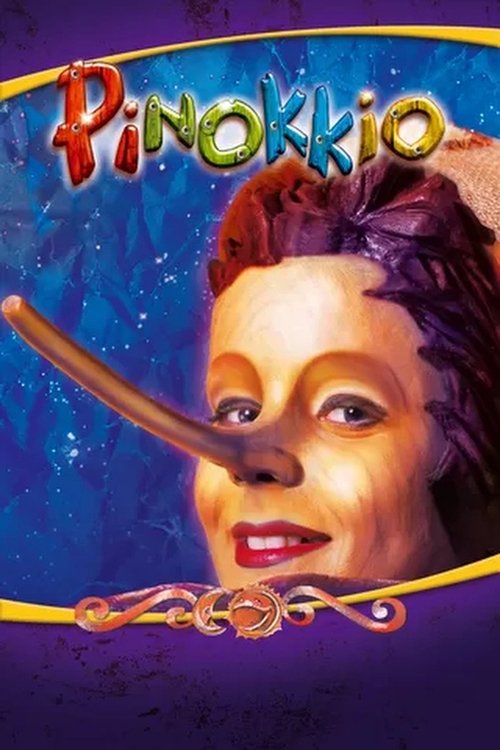
In the ending of "Pinocchio The Musical," Pinocchio proves himself brave and selfless, ultimately becoming a real boy. Geppetto, who has been searching for him, is reunited with his son. The Blue Fairy rewards Pinocchio for his good deeds, and the story concludes with a celebration of family and the importance of honesty.
As the final act unfolds, the stage is set with a backdrop of a serene night sky, twinkling stars illuminating the scene. Pinocchio, having faced numerous trials, stands at a crossroads. He has just rescued Geppetto from the belly of the whale, a moment filled with tension and urgency. The audience can feel the weight of his journey, the struggles he has endured, and the lessons he has learned about bravery, sacrifice, and the value of truth.
Scene by scene, the narrative progresses. The whale, a massive creature with a gaping mouth, looms ominously as Pinocchio bravely confronts it. He dives into the depths, his heart pounding with fear yet fueled by love for his father. The moment he finds Geppetto, the joy is palpable. Geppetto, frail and weary, embraces Pinocchio, tears of relief streaming down his face. This reunion is a testament to their bond, showcasing the theme of familial love that runs throughout the story.
As they escape the whale, the stage transforms, depicting the ocean's surface. The two swim to safety, and as they emerge, the Blue Fairy appears, shimmering in a cascade of light. She has been watching over Pinocchio, and her presence signifies the culmination of his journey. With a gentle smile, she acknowledges his bravery and selflessness. Pinocchio, filled with hope and anticipation, stands before her, his wooden form reflecting the light of her magic.
In a moment of transformation, the Blue Fairy waves her wand, and Pinocchio feels a warmth enveloping him. The audience watches in awe as he begins to change, his wooden features softening and becoming flesh. The moment is filled with emotion; Pinocchio's eyes widen in disbelief and joy as he realizes he has become a real boy. The transformation symbolizes the culmination of his growth, a reward for his honesty and courage.
Geppetto, witnessing this miraculous change, is overwhelmed with happiness. He embraces Pinocchio once more, their bond now stronger than ever. The stage is filled with a sense of celebration as the townspeople gather, rejoicing in the miracle that has occurred. The music swells, and the atmosphere is electric with joy and relief.
As the final scene unfolds, the characters come together in a heartwarming tableau. Pinocchio stands proudly beside Geppetto, now a real boy, embodying the lessons he has learned. The Blue Fairy watches with a satisfied smile, her role as a guiding force complete. The townspeople cheer, celebrating not just Pinocchio's transformation but the values of love, honesty, and the importance of family.
In the closing moments, the stage lights dim, leaving a warm glow on Pinocchio and Geppetto, who look toward the future with hope and love. The story concludes with a powerful message: that true transformation comes from within, and that love and honesty are the keys to becoming who we are meant to be. The fate of each character is sealed in this moment of unity and joy, with Pinocchio finally realizing his dream of being a real boy, and Geppetto embracing his son, fulfilled and proud.
Is there a post-credit scene?
In "Pinocchio The Musical," produced in 2006, there is no post-credit scene. The film concludes with a heartfelt resolution to Pinocchio's journey, emphasizing themes of honesty, bravery, and the importance of family. The story wraps up with Pinocchio becoming a real boy, and the final moments focus on the joy and celebration of his transformation, leaving audiences with a sense of closure and fulfillment. The absence of a post-credit scene allows the emotional weight of the narrative to resonate fully without any additional content.
What role does the Blue Fairy play in Pinocchio's journey?
The Blue Fairy serves as a guiding figure in Pinocchio's life, embodying hope and moral guidance. She brings Pinocchio to life and later appears to encourage him to learn right from wrong, emphasizing the importance of honesty and bravery in his quest to become a real boy.
What motivates Geppetto to create Pinocchio?
Geppetto, a lonely woodcarver, is driven by a deep desire for companionship and love. His longing for a child leads him to carve Pinocchio from a magical piece of wood, hoping that this puppet will bring joy and fill the void in his life.
How does Pinocchio's desire to become a real boy affect his decisions throughout the story?
Pinocchio's yearning to become a real boy is a central motivation that influences his choices. This desire often leads him to make impulsive decisions, such as running away from home or trusting the wrong characters, as he believes these actions will bring him closer to his goal.
How does the character of Honest John influence Pinocchio's path?
Honest John, the cunning fox, represents temptation and deceit. He manipulates Pinocchio by appealing to his desires for fame and adventure, leading him astray from his moral compass and contributing to his struggles throughout the story.
What challenges does Pinocchio face in his quest for transformation?
Pinocchio encounters numerous challenges, including being lured into the world of puppetry, facing the dangers of Pleasure Island, and dealing with the consequences of his lies. Each challenge tests his character and ultimately shapes his understanding of what it means to be 'real'.
Is this family friendly?
"Pinocchio The Musical" produced in 2006 is generally considered family-friendly, as it is based on the classic tale of a wooden puppet who dreams of becoming a real boy. However, there are a few scenes and themes that might be potentially objectionable or upsetting for children or sensitive viewers:
-
Transformation and Consequences: The character of Pinocchio faces various transformations and consequences for his actions, which may include moments of fear or distress as he navigates his journey.
-
Deception and Dishonesty: The themes of lying and deception are central to the story, particularly with Pinocchio's nose growing when he lies. This could lead to discussions about honesty that some children might find confusing or troubling.
-
Dangerous Situations: Pinocchio encounters several dangerous situations, including being lured away by unsavory characters, which may evoke feelings of anxiety or fear.
-
Emotional Struggles: The emotional turmoil experienced by Pinocchio, including feelings of loneliness, rejection, and the desire for acceptance, may resonate deeply and could be upsetting for some viewers.
-
Parental Figures: The relationship between Pinocchio and Geppetto, his father, includes moments of separation and longing that may evoke sadness.
Overall, while the musical is designed to entertain and impart moral lessons, these elements may require parental guidance for younger viewers.









