



Popular
What role do the families of the victims play in the narrative?
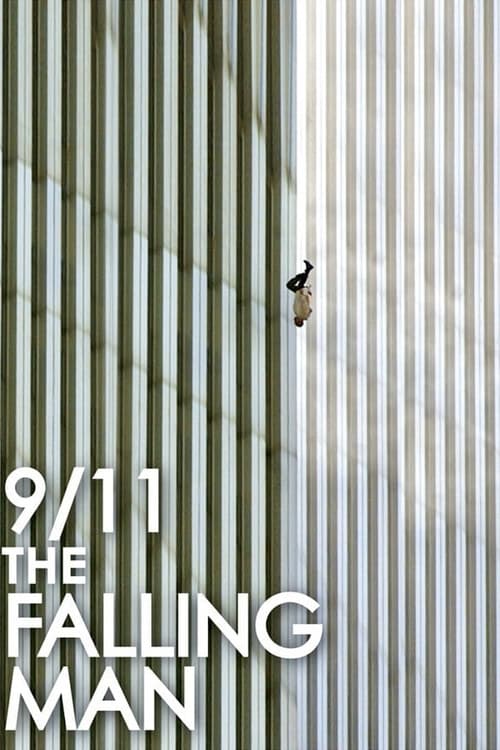
What is the significance of the photograph of the Falling Man in the film?
How does the film portray the personal stories of the victims of 9/11?
How does the film address the media's portrayal of the Falling Man?
What emotional responses do the interviews with survivors and witnesses evoke in the film?
Should I watch it?
Ask Your Own Question

What is the plot?
Sorry, we aren't able to watch and write up a full detailed plot yet. Check back in a few days.
More Movies Like This
Browse All Movies →








What is the ending?
In the movie "9/11: The Falling Man," the ending focuses on the aftermath of the tragic events of September 11, 2001, particularly the haunting image of a man falling from the World Trade Center. The film concludes with a reflection on the impact of that day, the search for identity, and the struggle to find closure for the victims' families.
As the film progresses towards its conclusion, it interweaves personal stories of those who lost loved ones in the attacks. The narrative culminates in a poignant exploration of grief and the search for meaning in the face of unimaginable loss. The film ends with a sense of unresolved pain, as families continue to grapple with their loss, and the image of the falling man remains a powerful symbol of the tragedy.
In a more detailed narrative:
The film begins to draw to a close as it revisits the haunting image of the falling man, a figure captured in a photograph that became emblematic of the horror of 9/11. The camera lingers on the image, allowing viewers to absorb the weight of the moment. The film then shifts to the families of the victims, who share their stories of loss and the struggle to find closure.
One family, the relatives of a man named Jonathan Briley, are shown grappling with their grief. They recount the day of the attacks, the frantic search for information, and the painful realization that their loved one was among those who perished. The emotional weight of their story is palpable, as they reflect on the memories of Jonathan and the void left in their lives.
As the narrative unfolds, the film intersperses interviews with various individuals who were affected by the tragedy. Each story adds depth to the collective grief experienced by the nation. The camera captures the raw emotions of the interviewees, their faces etched with sorrow and longing. The film emphasizes the personal impact of the attacks, illustrating how each family member carries their own burden of loss.
In the final scenes, the film returns to the image of the falling man, juxtaposing it with the stories of the families. The camera pans over the memorials and tributes that have been created in honor of the victims, highlighting the ongoing struggle for remembrance and healing. The emotional resonance of the falling man serves as a reminder of the fragility of life and the enduring pain of those left behind.
As the credits roll, the film leaves viewers with a sense of unresolved grief. The families continue to seek answers and closure, while the image of the falling man lingers in the collective consciousness. The film concludes without a definitive resolution, reflecting the ongoing impact of the tragedy on the lives of those affected. Each character's fate is intertwined with the larger narrative of loss, illustrating the profound and lasting effects of that fateful day.
Is there a post-credit scene?
The film "9/11: The Falling Man," produced in 2006, does not contain a post-credit scene. The documentary focuses on the events of September 11, 2001, particularly the haunting image of a man falling from the World Trade Center. It explores the emotional and psychological impact of that day, featuring interviews with family members of victims, first responders, and journalists. The film concludes without any additional scenes or content after the credits, maintaining its somber and reflective tone throughout.
What role do the families of the victims play in the narrative?
The families of the victims are central to the narrative, as they share their grief, memories, and struggles to cope with the loss. Their testimonies provide a deeply personal perspective on the impact of the attacks, illustrating the long-lasting effects on their lives and the quest for closure.
What is the significance of the photograph of the Falling Man in the film?
The photograph of the Falling Man, taken by Richard Drew, serves as a haunting symbol of the desperation faced by individuals during the 9/11 attacks. The film explores the identity of the man in the photograph, delving into the lives of those who were affected by the tragedy and the emotional turmoil surrounding the image.
How does the film portray the personal stories of the victims of 9/11?
The film interweaves personal narratives of several victims and their families, showcasing their lives before the attacks. It highlights their hopes, dreams, and the profound loss experienced by their loved ones, creating a poignant emotional landscape that emphasizes the human cost of the tragedy.
How does the film address the media's portrayal of the Falling Man?
The film critiques the media's sensationalism surrounding the Falling Man photograph, discussing how it became a symbol of the tragedy while also raising ethical questions about the representation of death and suffering in the media. It examines the tension between public curiosity and the dignity of the victims.
What emotional responses do the interviews with survivors and witnesses evoke in the film?
The interviews with survivors and witnesses evoke a range of emotional responses, from profound sorrow and anger to moments of resilience and hope. Their firsthand accounts of the chaos and fear during the attacks create a visceral connection to the events, allowing viewers to empathize with their experiences.
Is this family friendly?
"9/11: The Falling Man" is a documentary that explores the tragic events of September 11, 2001, focusing on the iconic image of a man falling from the World Trade Center. Given its subject matter, the film is not considered family-friendly.
Potentially objectionable or upsetting aspects include:
- Graphic imagery: The film includes discussions and depictions of the events of 9/11, which may be distressing for children or sensitive viewers.
- Emotional testimonies: Family members of victims share their grief and loss, which can evoke strong emotional reactions.
- Themes of tragedy and loss: The film delves into the impact of the attacks on individuals and families, highlighting the profound sorrow and trauma experienced.
- Depictions of fear and chaos: The documentary captures the panic and horror of the day, which may be unsettling for younger audiences.
Overall, the film addresses heavy themes and contains content that may not be suitable for children or those who are sensitive to such topics.









