



Popular
What motivates Esther to approach King Xerxes despite the risks involved?
How does Haman's character evolve throughout the film?
What role does Mordecai play in Esther's journey and the overall plot?
How does Esther's relationship with King Xerxes develop throughout the film?
What are the consequences of Esther revealing her identity to King Xerxes?
Should I watch it?
Ask Your Own Question

What is the plot?
Sorry, we aren't able to watch and write up a full detailed plot yet. Check back in a few days.
More Movies Like This
Browse All Movies →





What is the ending?
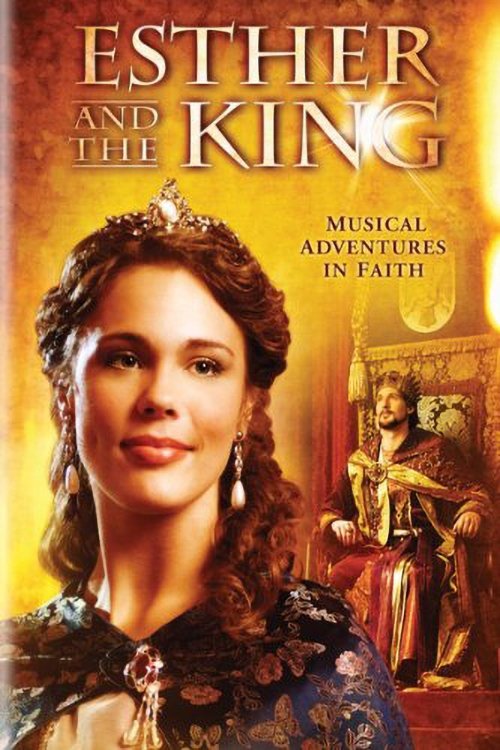
In the ending of "Liken: Esther and the King," Esther reveals her Jewish identity to King Xerxes, risking her life to save her people from Haman's plot. The king is enraged by Haman's treachery and orders his execution. Esther's bravery leads to the salvation of the Jewish people, and she is celebrated for her courage.
As the film concludes, Esther and Xerxes solidify their bond, and the Jewish people are granted the right to defend themselves. The story ends on a note of hope and unity, emphasizing the importance of courage and faith.
As the climax of "Liken: Esther and the King" unfolds, the tension in the royal palace is palpable. Esther, played with a mix of grace and determination, stands before King Xerxes, her heart racing as she prepares to reveal her true identity. The grand hall is adorned with opulent decorations, but the atmosphere is thick with anxiety. Esther knows that disclosing her Jewish heritage could lead to her death, yet the fate of her people hangs in the balance.
In a moment of profound courage, Esther steps forward, her voice steady despite the fear coursing through her. She pleads for her life and the lives of her people, revealing that she is a Jew. The king, initially taken aback, listens intently as Esther recounts Haman's wicked plot to annihilate the Jewish population. The camera captures the king's expression shifting from confusion to anger as he processes the betrayal.
Haman, who had been reveling in his power, suddenly finds himself in a precarious position. The king's fury ignites as he realizes that he has been manipulated. The scene shifts to Haman's face, which reflects panic and desperation. He pleads for mercy, but the king's wrath is unyielding. In a dramatic turn, Xerxes orders Haman to be executed on the very gallows he had prepared for Mordecai, Esther's cousin. The sound of the executioner's sword echoes through the hall, symbolizing justice served.
As the dust settles, Esther stands beside Xerxes, her heart filled with a mix of relief and sorrow. The camera pans to the Jewish people, who are gathered in fear, unaware of the turn of events. Esther's bravery has not only saved her life but also the lives of countless others. The king issues a decree allowing the Jews to defend themselves against their enemies, a moment that brings hope and unity to the oppressed.
The final scenes depict the Jewish community preparing for their newfound freedom. Esther and Xerxes share a tender moment, their bond strengthened by the trials they have faced together. The film closes with a celebration among the Jewish people, who rejoice in their deliverance. Esther, now a symbol of courage and faith, stands as a beacon of hope for her people, embodying the message that one person's bravery can change the course of history.
In the end, Esther's fate is one of triumph and love, as she embraces her role as queen and protector of her people. Xerxes, transformed by Esther's strength, becomes a more just ruler. Haman's demise serves as a stark reminder of the consequences of treachery and hatred. The film concludes with a sense of renewal and the promise of a brighter future for the Jewish people, underscoring the themes of courage, identity, and the power of standing up for what is right.
Is there a post-credit scene?
The movie "Liken: Esther and the King" does not have a post-credit scene. The film concludes its narrative without any additional scenes or content after the credits roll. The story wraps up with Esther's journey and her pivotal role in saving her people, leaving the audience with a sense of closure regarding her character and the events that transpired.
What motivates Esther to approach King Xerxes despite the risks involved?
Esther is driven by her deep love for her people, the Jews, who are facing annihilation due to Haman's decree. Her internal conflict is palpable as she grapples with fear for her own life and the responsibility she feels to save her people. This motivation is further intensified by her relationship with her cousin Mordecai, who urges her to act.
How does Haman's character evolve throughout the film?
Haman begins as a powerful advisor to King Xerxes, filled with ambition and a desire for respect. However, as his plot against the Jews unfolds, his arrogance leads to his downfall. His character becomes increasingly consumed by hatred and paranoia, especially as Esther's influence grows, ultimately culminating in his dramatic and ironic end.
What role does Mordecai play in Esther's journey and the overall plot?
Mordecai serves as Esther's guardian and mentor, instilling in her the values of courage and faith. His unwavering support and guidance are crucial as he encourages her to confront the king. His refusal to bow to Haman also sets off a chain of events that leads to the conflict, showcasing his bravery and commitment to his people.
How does Esther's relationship with King Xerxes develop throughout the film?
Esther's relationship with King Xerxes evolves from one of fear and uncertainty to one of mutual respect and love. Initially, she is apprehensive about revealing her Jewish identity and approaching him. However, as she gains confidence and reveals her true self, their bond deepens, highlighting themes of trust and sacrifice.
What are the consequences of Esther revealing her identity to King Xerxes?
When Esther reveals her Jewish identity to King Xerxes, it serves as a pivotal moment in the film. This act of bravery not only puts her life at risk but also challenges the king's perception of loyalty and justice. The revelation leads to a dramatic confrontation with Haman and ultimately changes the course of the fate of the Jewish people, showcasing the power of truth and courage.
Is this family friendly?
"Liken: Esther and the King" is generally considered family-friendly, but there are a few scenes and themes that may be sensitive for younger viewers or those who are particularly sensitive.
-
Conflict and Tension: The film includes scenes of political intrigue and conflict, which may be intense for some children. The power struggles and manipulations can create a sense of unease.
-
Emotional Struggles: Characters experience significant emotional turmoil, including fear, anxiety, and sadness, particularly related to Esther's situation and the fate of her people.
-
Depictions of Oppression: The film addresses themes of oppression and the threat of violence against the Jewish people, which may be distressing for sensitive viewers.
-
Mature Themes: The overarching themes of sacrifice, courage, and standing up against tyranny may be heavy for younger audiences, requiring some parental guidance to discuss the implications.
Overall, while the film is designed for a family audience, these elements may warrant consideration for younger or more sensitive viewers.








