













Popular
What is the significance of the character played by the custodian in the story?
How does the relationship between the custodian and the troubled students develop throughout the film?
What challenges does the custodian face in his role at the school?
What pivotal moment changes the custodian's perspective on his job?
How do the flashbacks in the film contribute to the custodian's character development?
Should I watch it?
Ask Your Own Question

What is the plot?
Sorry, we aren't able to watch and write up a full detailed plot yet. Check back in a few days.







What is the ending?
In the ending of "The Custodian," the protagonist, a janitor named John, confronts the realities of his life and the choices he has made. He faces a pivotal moment that leads to a resolution of his internal struggles, ultimately finding a sense of peace and acceptance.
As the film progresses towards its conclusion, John is seen grappling with his past and the impact of his decisions on his present life. He has been a silent observer of the lives around him, often reflecting on his own failures and missed opportunities. In the final scenes, he takes a stand against the injustices he has witnessed, particularly concerning the treatment of a troubled young man he has been looking out for. This confrontation leads to a cathartic moment for John, where he finally asserts himself and takes responsibility for his actions.
The film closes with John finding a renewed sense of purpose, suggesting that even in the mundane role of a custodian, one can find meaning and make a difference in the lives of others.
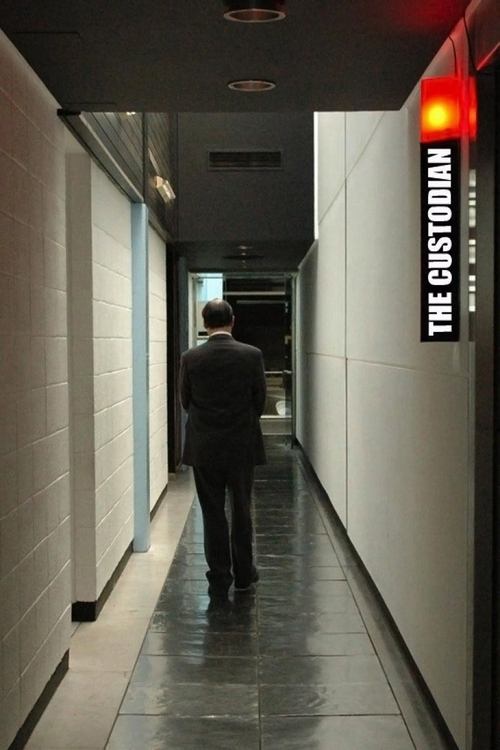
As the final act of "The Custodian" unfolds, the atmosphere is thick with tension and introspection. John, the janitor, is seen in the dimly lit corridors of the school where he works, his mop in hand, but his mind is elsewhere. The camera lingers on his face, capturing the weariness etched into his features, a reflection of years spent in the shadows, cleaning up after others while his own life remains in disarray.
Scene by scene, the narrative builds towards a climax. John has been observing a troubled student, a young man named Danny, who is spiraling into a world of trouble. Danny's struggles resonate with John, reminding him of his own youth and the choices that led him to this point. The school is abuzz with the impending graduation, a time of hope and new beginnings, yet for John, it feels like a stark reminder of what he has lost.
In a pivotal scene, John witnesses Danny being bullied by a group of classmates. The camera captures John's internal conflict as he hesitates, torn between his instinct to intervene and his ingrained fear of confrontation. The tension builds as he recalls moments from his own past, where he felt powerless to change his circumstances. Finally, in a surge of determination, John steps in, confronting the bullies with a fierce protectiveness that surprises even himself. This moment is charged with emotion, as John realizes that he can no longer remain a passive observer in his own life or in the lives of others.
The confrontation escalates, and the bullies back down, leaving Danny shaken but grateful. John, breathing heavily, feels a rush of adrenaline and a sense of empowerment. This act of bravery marks a turning point for him, as he begins to understand that he has the ability to influence change, even in small ways.
As the graduation ceremony approaches, John reflects on his own life choices. He visits the empty halls of the school, where echoes of laughter and celebration contrast sharply with his solitude. In a quiet moment, he stands in front of a mirror, confronting his own reflection. The weight of regret hangs heavy, but there is also a flicker of hope. He realizes that while he cannot change the past, he can choose how to move forward.
In the final scenes, John attends the graduation ceremony, standing at the back, a silent witness to the joy and promise of the students. As Danny walks across the stage to receive his diploma, he locks eyes with John, a moment of recognition passing between them. It is a silent acknowledgment of the bond they have formed, a testament to the impact John has had on Danny's life.
The film concludes with John leaving the school grounds, a slight smile on his face. He walks with a newfound purpose, the weight of his past still present but no longer defining him. The camera pulls back, capturing the vastness of the world outside, suggesting that while John's journey as a custodian may be humble, it is also filled with potential for growth and change.
In the end, John finds a sense of peace, having taken a stand not only for Danny but for himself. The fate of the main characters is intertwined; Danny is on a path to recovery and hope, while John, the custodian, embraces his role with renewed vigor, understanding that even the smallest actions can lead to significant change.
Is there a post-credit scene?
The movie "The Custodian," produced in 2007, does not feature a post-credit scene. The film concludes its narrative without any additional scenes or content after the credits roll. The story wraps up with a focus on the main character's journey and the resolution of the central themes, leaving no further developments or surprises for the audience after the credits.
What is the significance of the character played by the custodian in the story?
The custodian, portrayed as a quiet and observant figure, serves as a moral compass throughout the film. His interactions with the other characters reveal his deep understanding of their struggles and his desire to help them find redemption.
How does the relationship between the custodian and the troubled students develop throughout the film?
Initially, the students view the custodian as just a background figure, but as the story progresses, they begin to confide in him. His patience and wisdom allow him to connect with them on a personal level, leading to pivotal moments of growth and self-discovery for the students.
What challenges does the custodian face in his role at the school?
The custodian faces numerous challenges, including the indifference of the school administration, the apathy of the students, and his own personal struggles. These obstacles test his resolve and commitment to making a difference in the lives of those around him.
What pivotal moment changes the custodian's perspective on his job?
A pivotal moment occurs when the custodian witnesses a violent incident involving a student. This event forces him to confront the harsh realities of the environment he works in and ignites a renewed sense of purpose to protect and guide the students.
How do the flashbacks in the film contribute to the custodian's character development?
The flashbacks provide insight into the custodian's past, revealing his own experiences with loss and hardship. These moments deepen the audience's understanding of his motivations and the empathy he extends to the students, illustrating how his past shapes his present actions.
Is this family friendly?
"The Custodian," produced in 2007, is a drama that explores themes of loss, redemption, and the complexities of human relationships. While it does not contain explicit content, there are several elements that may be considered potentially objectionable or upsetting for children or sensitive viewers:
-
Themes of Grief and Loss: The film delves into the emotional struggles of characters dealing with the death of loved ones, which may be heavy for younger audiences.
-
Depictions of Violence: There are scenes that involve confrontations and physical altercations, which may be distressing.
-
Emotional Turmoil: Characters experience significant emotional pain, including moments of despair and hopelessness, which could be intense for sensitive viewers.
-
Substance Abuse: There are references to alcohol and its impact on the characters' lives, which may not be suitable for younger audiences.
-
Family Conflict: The film portrays strained family dynamics and conflicts that could be upsetting, particularly for children who may not understand the complexities of adult relationships.
Overall, while "The Custodian" is not overtly graphic, its emotional depth and serious themes may require parental discretion for younger viewers.









