







Popular
What motivates Martin Fierro to become a fugitive?
How does Martin Fierro's relationship with his family evolve throughout the film?
What role does the character of the gaucho play in Martin Fierro's journey?
How does the film depict the conflict between the gauchos and the government?
What is the significance of the character of the Indian in Martin Fierro's story?
Should I watch it?
Ask Your Own Question

What is the plot?
Sorry, we aren't able to watch and write up a full detailed plot yet. Check back in a few days.





What is the ending?
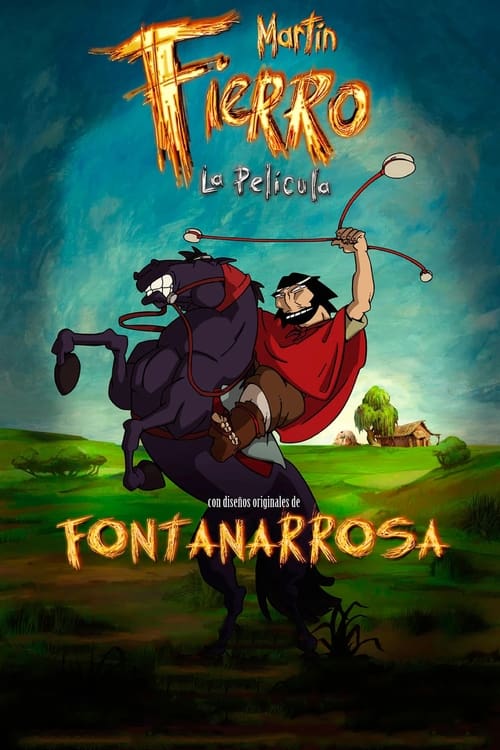
In the ending of "Martin Fierro: The Movie," Martin Fierro confronts the injustices he has faced, ultimately seeking peace and resolution. The film concludes with a sense of hope for the future, as Fierro finds a way to reconcile his past and protect his family.
As the final act unfolds, we see Martin Fierro, weary from his long journey and the battles he has fought, standing at a crossroads. The weight of his experiences hangs heavily on him, and he is determined to find a way to ensure the safety of his loved ones. The tension builds as he faces the oppressive forces that have pursued him, representing the broader struggles of the gaucho people against tyranny and injustice.
In a climactic confrontation, Fierro stands firm against the authorities who have wronged him. His resolve is palpable, and the emotional stakes are high as he fights not just for his own freedom, but for the dignity of his people. The animation captures the intensity of the battle, with sweeping visuals of the landscape and the fierce determination in Fierro's eyes.
As the dust settles, Fierro emerges victorious, but not without cost. The film poignantly illustrates the sacrifices made along the way. His family, who have suffered in his absence, are finally reunited, and the emotional reunion is filled with tears and relief. The bond between them is stronger than ever, symbolizing hope and resilience in the face of adversity.
The ending scenes shift to a more reflective tone, as Fierro contemplates the future. He understands that while the fight against oppression is far from over, he has taken a significant step towards securing a better life for his family. The film closes with a sense of optimism, as Fierro rides off into the horizon, embodying the spirit of freedom and the enduring struggle for justice.
In summary, the fate of the main characters is as follows: Martin Fierro, having faced his demons and fought for his family's safety, finds a renewed sense of purpose. His family, who have endured hardship and separation, are finally together again, symbolizing hope and resilience. The oppressive forces, while momentarily defeated, represent an ongoing struggle that continues beyond the film's conclusion. The narrative leaves viewers with a powerful message about the importance of fighting for one's rights and the enduring strength of family bonds.
Is there a post-credit scene?
In "Martin Fierro: The Movie," there is no post-credit scene. The film concludes its narrative without any additional scenes after the credits roll. The story wraps up with a poignant resolution to Martin Fierro's journey, emphasizing themes of freedom, justice, and the struggles of the gaucho against oppression. The ending leaves the audience with a sense of closure regarding Fierro's fate and the broader implications of his fight for dignity and rights.
What motivates Martin Fierro to become a fugitive?
Martin Fierro, a skilled gaucho, is initially motivated by a desire to protect his family and his way of life. When he is forcibly conscripted into the army, he feels betrayed and oppressed, leading him to flee and become a fugitive. His internal struggle is marked by a deep sense of injustice and a longing for freedom.
How does Martin Fierro's relationship with his family evolve throughout the film?
At the beginning of the film, Martin Fierro is a devoted family man, cherishing his wife and children. However, as he is taken away by the army, his family suffers in his absence. The emotional turmoil of separation weighs heavily on him, and his longing for his family drives many of his actions as a fugitive, ultimately leading to a poignant reunion that highlights the sacrifices made during his fight for freedom.
What role does the character of the gaucho play in Martin Fierro's journey?
The gaucho represents not only a cultural identity but also a symbol of resistance against oppression. Throughout his journey, Martin Fierro encounters various gauchos who share their stories of struggle and resilience. These interactions reinforce his resolve to fight against the injustices faced by his people, shaping his transformation from a simple man into a symbol of rebellion.
How does the film depict the conflict between the gauchos and the government?
The film vividly portrays the conflict through intense scenes of violence and oppression. The government, represented by the army, is shown as a ruthless force that exploits and conscripts the gauchos. This conflict escalates as Martin Fierro and his fellow gauchos band together, showcasing their camaraderie and determination to resist the injustices imposed upon them, ultimately leading to a climactic confrontation.
What is the significance of the character of the Indian in Martin Fierro's story?
The character of the Indian serves as a crucial figure in highlighting the broader themes of marginalization and shared suffering. Martin Fierro's interactions with the Indian reveal a mutual understanding of oppression, as both characters are victims of the same oppressive regime. This relationship emphasizes the need for solidarity among oppressed groups and adds depth to Martin's journey as he learns to empathize with others who share his plight.
Is this family friendly?
"Martin Fierro: The Movie," produced in 2007, is generally considered suitable for family viewing, but it does contain some scenes and themes that may be sensitive for younger audiences or those who are particularly sensitive.
-
Violence and Conflict: The film depicts battles and conflicts between gauchos and government forces, which may include scenes of fighting and injury. The portrayal of violence, while not excessively graphic, can be intense.
-
Themes of Injustice: The story revolves around themes of oppression and injustice faced by the protagonist, Martin Fierro. This can evoke feelings of sadness or discomfort, especially in younger viewers who may not fully grasp the historical context.
-
Separation from Family: There are emotional scenes depicting the separation of Martin from his family, which can be distressing for children who may relate to the bond between family members.
-
Suffering and Loss: Characters experience loss and suffering throughout the narrative, which may be upsetting for sensitive viewers.
-
Cultural Context: The film is steeped in Argentine history and culture, which may include references or situations that could be confusing or difficult for children to understand without proper context.
While the film carries a rich narrative and artistic expression, parents may want to consider these elements when deciding if it is appropriate for their children.







