




Popular
What is the significance of the ossuary found in the tomb?
How do the filmmakers present the evidence regarding the tomb's authenticity?
What role does Simcha Jacobovici play in the documentary?
What emotional reactions do the characters exhibit when discussing the implications of the tomb?
How does the documentary address the controversy surrounding the findings?
Should I watch it?
Ask Your Own Question

What is the plot?
Sorry, we aren't able to watch and write up a full detailed plot yet. Check back in a few days.
More Movies Like This
Browse All Movies →




What is the ending?
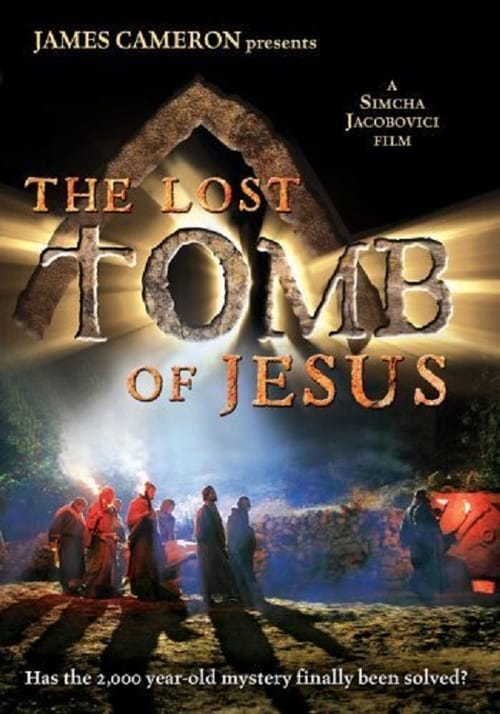
In the ending of "The Lost Tomb of Jesus," the documentary culminates in the revelation of the tomb believed to belong to Jesus and the implications of this discovery on faith and history. The film concludes with a sense of unresolved tension regarding the significance of the findings and the reactions of the characters involved.
As the film progresses toward its conclusion, the narrative builds upon the discoveries made by the team of archaeologists and scholars. They present their findings, which include the names inscribed on the ossuaries found within the tomb, suggesting a familial connection to Jesus. The tension rises as the implications of these findings challenge traditional beliefs about the resurrection and the nature of Jesus' life after death.
In the final scenes, the filmmakers present interviews with various experts who discuss the potential impact of the findings on Christianity and the historical narrative surrounding Jesus. The emotional weight of the discoveries is palpable, as the characters grapple with the implications of their work. Some express excitement about the potential for new understanding, while others voice concern about the challenges these revelations pose to established faith.
The film ends with a sense of ambiguity, leaving viewers to ponder the significance of the tomb and the ossuaries. The characters, particularly the lead archaeologist, remain deeply affected by the journey they have undertaken, reflecting on the intersection of faith, history, and personal belief.
In summary, the ending of "The Lost Tomb of Jesus" leaves the audience with a mixture of intrigue and contemplation, as the characters confront the profound questions raised by their discoveries.
Is there a post-credit scene?
The movie "The Lost Tomb of Jesus," produced in 2007, does not contain a post-credit scene. The film concludes its narrative without any additional scenes or content after the credits roll. The focus remains on the exploration of the tomb and the implications of the findings presented throughout the documentary. The ending emphasizes the significance of the discoveries made and leaves the audience with thought-provoking questions about the historical and religious context of the tomb.
What is the significance of the ossuary found in the tomb?
The ossuary found in the tomb is significant because it bears the inscription 'James, son of Joseph, brother of Jesus.' This discovery raises questions about the historical Jesus and his family, suggesting a possible connection to the biblical figures.
How do the filmmakers present the evidence regarding the tomb's authenticity?
The filmmakers present the evidence through a combination of expert interviews, archaeological findings, and computer-generated imagery that reconstructs the tomb. They analyze the inscriptions and the context of the burial site to argue for its authenticity.
What role does Simcha Jacobovici play in the documentary?
Simcha Jacobovici serves as the director and narrator of the documentary. He is deeply invested in uncovering the truth behind the tomb and its implications for understanding Jesus' life and legacy, often expressing a mix of excitement and skepticism throughout the investigation.
What emotional reactions do the characters exhibit when discussing the implications of the tomb?
The characters exhibit a range of emotional reactions, from skepticism and disbelief to excitement and hope. Some express fear of the implications for their faith, while others show a sense of wonder and curiosity about the historical context of Jesus.
How does the documentary address the controversy surrounding the findings?
The documentary addresses the controversy by presenting opposing viewpoints from scholars and theologians who challenge the findings. It highlights the debates over the interpretations of the evidence and the potential impact on religious beliefs, creating a tension between faith and historical inquiry.
Is this family friendly?
The Lost Tomb of Jesus, produced in 2007, is a documentary-style film that explores the discovery of a tomb in Jerusalem that some claim could belong to Jesus Christ and his family. While it is not a traditional family-friendly film, it does not contain explicit violence or graphic content. However, there are several aspects that may be objectionable or upsetting for children or sensitive viewers:
-
Religious Themes: The film delves into controversial religious topics, including discussions about the life and death of Jesus, which may be challenging for younger audiences or those with strong beliefs.
-
Death and Burial: The film features discussions about death, burial practices, and the implications of the tomb's findings, which could be unsettling for some viewers.
-
Historical Speculation: The documentary presents theories that challenge traditional Christian beliefs, which may provoke discomfort or distress among viewers who hold those beliefs.
-
Emotional Reactions: Interviews with scholars and theologians may evoke strong emotional responses as they discuss the implications of the findings, potentially leading to confusion or distress for younger viewers.
-
Imagery of Tombs: Visuals of ancient tombs and burial sites may be eerie or unsettling for some, particularly for children who may find such imagery frightening.
Overall, while the film does not contain overtly objectionable content, its themes and discussions may not be suitable for all audiences, particularly younger children or those sensitive to religious debates.








