
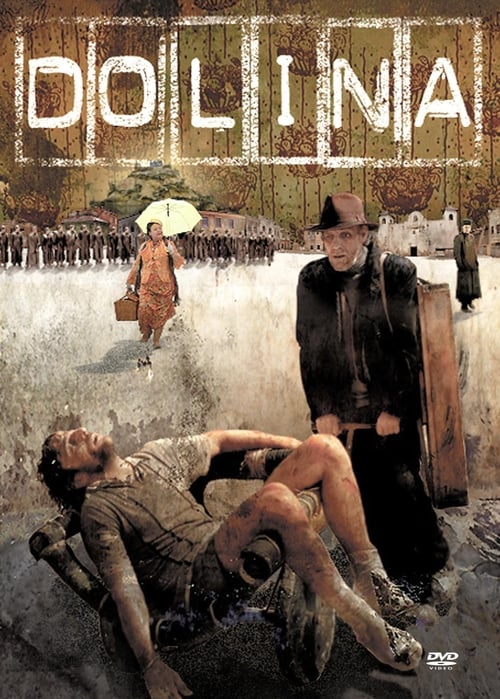









Popular
What motivates the main character to embark on their journey in Dolina?
How does the setting of the valley influence the characters' development?
What is the significance of the relationships between the characters in Dolina?
What challenges do the characters face while traversing the valley?
How does the character's backstory influence their actions throughout the film?
Should I watch it?
Ask Your Own Question

What is the plot?
Sorry, we aren't able to watch and write up a full detailed plot yet. Check back in a few days.







What is the ending?
In the ending of "Dolina," the main character, a young woman named Maja, confronts her past and the emotional turmoil that has haunted her. She ultimately finds a sense of closure and acceptance, leading to a poignant resolution for her character. The film concludes with Maja standing at the edge of a river, symbolizing her journey and the choices she has made.
As the final scenes unfold, we see Maja standing alone by the riverbank, the water flowing steadily beside her. The sun begins to set, casting a warm golden hue over the landscape, creating a stark contrast to the emotional weight she carries. Maja's face reflects a mixture of sadness and determination as she gazes into the distance, contemplating her life choices and the relationships that have shaped her.
In a flashback, we witness moments from Maja's past, including her strained relationship with her family and the loss she has endured. These memories play out like a montage, interspersed with scenes of her present, highlighting the emotional scars that have influenced her journey. The weight of her decisions hangs heavily in the air, and we can see the internal struggle she faces as she grapples with her identity and the expectations placed upon her.
As the camera shifts back to the present, Maja takes a deep breath, her resolve strengthening. She steps closer to the water, the sound of the flowing river echoing her tumultuous emotions. In this moment, she reflects on the people she has lost and the love she has sought, realizing that she must let go of the pain that has held her captive.
The scene transitions to Maja's final confrontation with her past. She visits the gravesite of a loved one, a pivotal moment that encapsulates her journey of grief and acceptance. Kneeling before the grave, she speaks softly, her voice trembling with emotion. This act of remembrance serves as a cathartic release, allowing her to confront the guilt and sorrow that have lingered for so long.
As Maja stands up, a sense of peace washes over her. The camera captures her face, now illuminated by the fading sunlight, symbolizing her newfound clarity. She walks away from the gravesite with a lighter heart, ready to embrace the future without the burden of her past.
The film concludes with Maja returning to the riverbank, where she takes one last look at the water. In a symbolic gesture, she tosses a small stone into the river, watching as it sinks beneath the surface. This act signifies her willingness to let go of her past and move forward, embracing the uncertainty of what lies ahead.
In the final moments, the screen fades to black, leaving the audience with a sense of hope and renewal. Maja's journey has come full circle, and while the scars of her past remain, she has found the strength to forge her own path. The film closes on a note of resilience, emphasizing the importance of confronting one's past to find peace and acceptance in the present.
Is there a post-credit scene?
The movie "Dolina," produced in 2007, does not feature a post-credit scene. The film concludes its narrative without any additional scenes or content after the credits roll. The story wraps up in a way that leaves the audience with a sense of closure regarding the characters and their journeys, focusing on the emotional and thematic resolutions established throughout the film.
What motivates the main character to embark on their journey in Dolina?
The main character, driven by a deep sense of loss and a quest for redemption, embarks on a journey to confront their past and seek closure. This motivation is rooted in personal tragedy, which propels them into the heart of the valley, where they hope to find answers and heal.
How does the setting of the valley influence the characters' development?
The valley serves as a character in itself, with its haunting beauty and isolation reflecting the internal struggles of the characters. As they navigate its treacherous terrain, the characters confront their fears and desires, leading to significant personal growth and transformation.
What is the significance of the relationships between the characters in Dolina?
The relationships in Dolina are complex and layered, often marked by tension and unresolved conflicts. These dynamics reveal the characters' vulnerabilities and strengths, ultimately shaping their paths and decisions as they seek connection and understanding amidst their individual struggles.
What challenges do the characters face while traversing the valley?
The characters encounter both physical and emotional challenges while traversing the valley. They face harsh weather conditions, treacherous landscapes, and the psychological weight of their pasts, which test their resilience and force them to confront their innermost fears.
How does the character's backstory influence their actions throughout the film?
The character's backstory is pivotal in shaping their actions and decisions throughout Dolina. Their past experiences of loss and regret inform their interactions with others and their approach to the challenges they face, driving the narrative forward and adding depth to their character arc.
Is this family friendly?
"Dolina," produced in 2007, is a film that delves into complex themes and emotional struggles, which may not be suitable for younger audiences or sensitive viewers. Here are some potentially objectionable or upsetting aspects:
-
Themes of Loss and Grief: The film explores deep emotional pain related to loss, which may be distressing for children or those sensitive to such topics.
-
Intense Emotional Scenes: There are moments of heightened emotional conflict that may be overwhelming, showcasing characters in distressing situations.
-
Family Struggles: The portrayal of familial relationships can be fraught with tension, including arguments and emotional breakdowns, which might be unsettling.
-
Depictions of Isolation: Characters experience feelings of loneliness and despair, which could resonate negatively with sensitive viewers.
-
Mature Themes: The film touches on adult themes that may not be appropriate for children, including existential questions and moral dilemmas.
Overall, while "Dolina" offers a rich narrative, its emotional depth and mature themes may not be suitable for all audiences, particularly younger viewers.









