


















Popular
How does the relationship between the boy and his father evolve throughout the film?
What motivates the main character, a young boy, to pursue his passion for dancing despite the challenges he faces?
What role does the community play in the boy's journey to becoming a dancer?
What challenges does the boy face in his pursuit of becoming a dancer, and how does he overcome them?
How does the symbolism of the lion dance reflect the boy's personal growth throughout the film?
Should I watch it?
Ask Your Own Question

What is the plot?
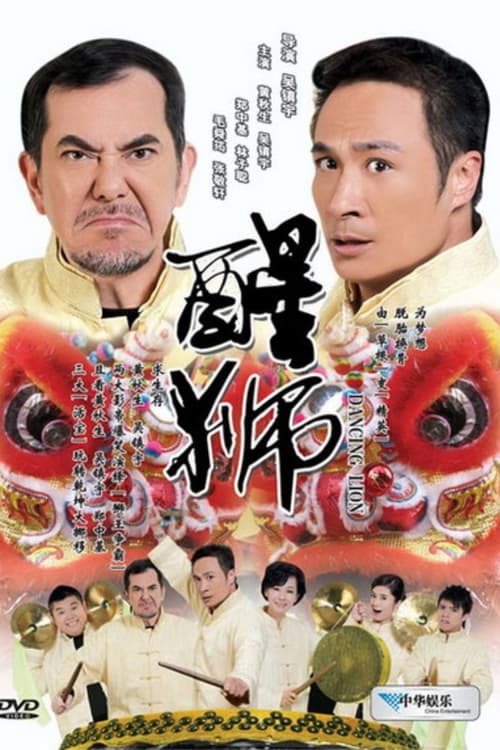
Dancing Lion opens in the fluorescent glare of a Hong Kong office where laziness has become a survival strategy and survival itself is suddenly on the line. Ah Kei, known as Fai and played by Francis Ng, drifts through the company with the empty confidence of a man who has long since stopped expecting much from life, while his colleague Ah Jiu, called Nine and played by Lam Tze Chung, matches him in both idleness and panic. Their department is a dead end, a place for odd jobs and administrative drift, but the atmosphere changes when word spreads that management is preparing a mass layoff disguised as a talent competition. The arrangement is brutally simple: anyone who can impress the higher-ups in a company performance stays employed, and anyone who fails is out. The office, once merely dull, becomes a pressure cooker. The men know they have no real talent to offer, and their fear is sharpened by the humiliating fact that they are exactly the sort of expendable workers the company is eager to discard.
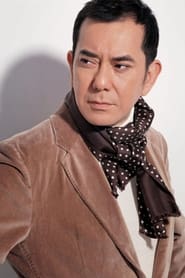
In that moment of desperation, the key figure from the family's past steps back into their lives. Their grand-uncle, played by Anthony Wong, is a keeper of the family's lion-dance tradition, a man who understands both the discipline and the fading dignity of the art. He sees the panic in Ah Kei and Ah Jiu and pushes them toward the one skill their family has inherited across generations: lion dancing. In the family's history, lion dance is not a gimmick but an inheritance, something handed down like a fragile heirloom, and the grand-uncle's intervention gives the story its first emotional pivot. He does not present it as an easy trick to save their jobs; he frames it as a return to roots, a recovery of identity. The men, with time running out, accept the idea less out of conviction than fear, but once the decision is made the film begins its transformation from office comedy into a story about cultural survival.
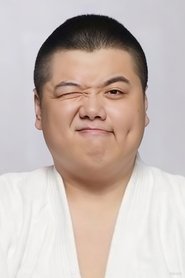
Their training begins in haste. The sources indicate that Ah Kei's family has long been a lion-dance family, but that the tradition has fallen out of favor with Hong Kong audiences, leaving the business in decline and the family's lion equipment hidden away at home, almost like a relic buried under daily life. The grand-uncle returns from time away in Beijing and becomes the moral center of the early film, reminding them that the art has "true roots" and cannot simply be treated as a novelty. At first, however, the two slackers approach the training the way they approach work: half-heartedly, with no real discipline, only enough urgency to avoid immediate disaster. Their family circle includes Sister, played by Teresa Mo, who later becomes central when the lion-dance trend turns profitable, but at this stage the focus remains on survival and embarrassment. The office talent show looms like a deadline, and the men scramble to learn movements, posture, balance, and showmanship with the same clumsy energy they normally devote to avoiding effort.
The office performance is the story's first major set piece, and it carries all the tension of a last-minute gamble. The two men do not perform alone; they are paired with the company's fire-eating performers in a hybrid act described in the summaries as a "fire dance lion" or "fire-eating / fire dance" spectacle. The idea is exactly the sort of reckless improvisation desperate amateurs would choose when they know they are out of their depth. They go onstage at the company talent event, under the eyes of judges and management, trying to merge the ancient lion-dance form with flames and flash. But the performance has not been properly rehearsed. The moment it begins, the act collapses into chaos, and the fire goes wrong, burning a judge and provoking an immediate, humiliating outcome: they are fired on the spot.
That failure is more than a comic setback. It is the moment when their last practical route to security is destroyed. The company's talent contest, which had seemed like a final chance to preserve their jobs, reveals itself as a cruel trap. Their performance does not rescue them; it publicly confirms their incompetence. In the aftermath, the two men stand stunned and directionless, their plans reduced to smoke. The story then shifts from the sealed world of the office to the open unpredictability of the street. Stripped of their jobs, they do what unemployed Hong Kong slackers in a comedy can only do: they improvise. They step into a pedestrian zone and perform lion dance publicly, no longer as a corporate audition but as a spontaneous street act.
This street performance becomes the film's first real eruption of energy. What begins as an act of desperation turns into a spectacle that catches passersby by surprise. The crowd responds, urging them on, and one synopsis says the performance spreads online and becomes a viral sensation with millions of views. This is the turning point where the film's tone changes again. Lion dance, once treated as a fading family tradition, suddenly becomes hot. The culture that had seemed obsolete is recast as a trend. The success is intoxicating, and the people around them begin to see not merely heritage but opportunity. The family's lion-dance business is no longer a quiet relic; it is now a brand with potential.
Sister seizes that possibility most aggressively. The summaries describe her opening multiple commercial courses, including "Dancing Lion for Kids" and "Weight Losing Dancing Lion," a detail that perfectly captures the film's satirical edge. What had been an art of discipline, ritual, and communal pride is repackaged into mass-market entertainment. The business grows by feeding on trends, and the family begins to treat lion dance as an industry rather than a tradition. The comedic logic is sharp: the more successful they become, the farther they move from the sincerity that gave the art meaning. The very thing that saved them from unemployment now threatens to hollow out the craft itself.
As the trend takes off, competitors appear from everywhere. The sources describe a price war and a growing commercial field in which lion dancing becomes a fashionable commodity instead of a protected tradition. The family's business expands too quickly and loses control of itself. The market is crowded, and the easy money tempts everyone into exaggeration. What had once been an inherited practice is now a business model, and business models attract rivals. The protagonists' rise is therefore unstable from the start, and the film makes that instability visible through mounting financial pressure. Their business drops, debt accumulates, and the glamour of success curdles into anxiety.
The story's darker middle section turns from comedy toward crisis. The same group that had enjoyed sudden fame now finds itself trapped by its own ambition. The summaries note that they even attempt suicide but fail, a devastating beat that marks the emotional bottom of the film. The available sources do not identify a death here, and none report any confirmed fatalities in the film, but the suicide attempt is the closest the story comes to genuine tragedy. It signals that the pressure has become unbearable and that the characters have lost sight of the meaning behind their success. In the logic of the film, the failed attempt is not only a collapse of business but a collapse of spirit. They are no longer merely afraid of being poor; they are ashamed of what they have become. The attempt fails, and in that failure the narrative finds an unlikely reset. Humiliation, like fire, burns away the excess.
Out of that wreckage comes a return to discipline. The grand-uncle's teachings regain their force, and the family reconnects with the authentic form of lion dance rather than the cheapened commercial version that had overtaken them. The sources emphasize that the uncle is the guardian of "true roots," and his role becomes especially important as the film heads into its final confrontation. The grand-uncle's friend, a philanthropic billionaire businessman named in one synopsis as He Renrui or Ho Yan-jui, provides the setting for the final contest. The arrangement is significant because it turns the climax into a performance for both honor and patronage. The wealth and social status surrounding the event remind the characters of how far they have drifted from the grounded, local world where lion dance originally belonged. Yet it is precisely in this polished, high-stakes environment that the oldest values are tested.
When Ah Kei, Ah Jiu, and their trainees arrive at the venue, they discover they are not alone. Another lion-dance group is already there: the Northern lion team, in contrast to the protagonists' Southern-rooted tradition. This revelation reframes the ending as more than a personal comeback. It becomes a cultural contest between North and South, between competing styles and competing claims to legitimacy. The final challenge is described as a "fight to the last" or a fiery contest over the traditional lion-dance ritual of snatching the green, the cai qing. The tension in this sequence is built not through violence in the ordinary sense but through athletic danger, precision, and the fear of disgrace. The lions leap, balance, and challenge each other in an escalating display that turns the performance space into a battlefield of tradition.
The scene works because every earlier failure has prepared for it. The office talent show taught them the cost of improvisation. The street performance taught them the power of public spectacle. The commercial boom taught them how easily an art form can be stripped of meaning. The debt, the collapse, and the failed suicide attempt taught them how close they have come to losing themselves entirely. Now, in the climactic contest, they finally perform not for money, not for viral fame, and not to please a manager who can fire them, but to prove that they understand what lion dance actually is. The Northern team stands as a direct challenge, and the two sides compete under the gaze of the host and the elders, all of whom are visibly stirred by the spectacle.
The summaries do not describe any deaths in the climax, and none of the cited material reports a fatal outcome. The danger is real, but the film resolves it through victory of spirit rather than bloodshed. The protagonists' lion dance, once a joke and then a commodity, regains its dignity in the final showdown. The sources indicate that the contest restores fame and tradition, and that the group's growth is complete only when they recommit to the "true roots" of the craft. The final movement is therefore not a tragic ending but a restored one. The men who began as idle office workers end as participants in something larger than themselves, and the family business, though battered by debt and commercialization, survives through a renewed sense of purpose.
The last emotional beat is one of hard-won continuity. The film closes with lion dance reclaimed from both extinction and exploitation. Ah Kei and Ah Jiu are no longer simply slackers trying to keep their jobs; they are bearers of a tradition that has been tested by ridicule, market pressure, and despair. The grand-uncle's guidance has done what the office never could: it turns performance into inheritance and inheritance into responsibility. Sister's opportunism, the viral trend, the expansion into children's classes and weight-loss courses, the price war, and the financial collapse all recede behind the final image of the art itself reasserting its value. The contest settles the family's crisis not by making them rich, but by restoring a sense of legitimacy they had nearly traded away.
No confirmed deaths are reported in the available plot material, and the film's ending is a survival story rather than a body count story. The most important losses are symbolic: the loss of jobs, the loss of dignity, the loss of authenticity, and the temporary loss of faith in the tradition. Each is reversed in turn. The office firing gives way to street performance. Street performance gives way to trend. Trend gives way to collapse. Collapse gives way to renewal. By the final lion-dance showdown, the film has traced a full circle from desperation to mastery, with Ah Kei, Ah Jiu, the grand-uncle, Sister, and the rival Northern dancers all caught in a story where the real victory is not commercial success but the recovery of identity.


What is the ending?
In the ending of "Dancing Lion," the main character, a young boy named Tenzin, successfully performs in the lion dance competition, overcoming his fears and insecurities. His performance not only impresses the judges but also brings his community together, showcasing the importance of tradition and cultural identity. Tenzin's father, who had been skeptical of his son's passion for the dance, ultimately recognizes Tenzin's talent and dedication, leading to a reconciliation between them. The film concludes with a sense of unity and pride within the community, as they celebrate their heritage.
As the final act of "Dancing Lion" unfolds, the atmosphere is charged with anticipation. The scene opens at the vibrant community center, where the lion dance competition is about to commence. Colorful banners hang from the ceiling, and the air is filled with the sounds of drums and cymbals, creating an exhilarating backdrop. Tenzin stands backstage, his heart racing, a mixture of excitement and anxiety coursing through him. He glances at his father, who stands with crossed arms, a skeptical expression on his face. Tenzin's internal struggle is palpable; he yearns for his father's approval but is also determined to prove himself.
As the competition begins, various teams take the stage, showcasing their skills and artistry. Tenzin watches, mesmerized yet intimidated by the talent on display. Each performance is met with cheers and applause, heightening the pressure he feels. When it's finally Tenzin's turn, he takes a deep breath, stepping into the spotlight with his fellow dancers. The music swells, and the crowd quiets, all eyes on them.
The lion costume is heavy, but Tenzin feels a surge of adrenaline as they begin their routine. The choreography is intricate, requiring perfect synchronization and trust among the dancers. Tenzin's movements are initially hesitant, but as he immerses himself in the rhythm, he begins to shine. The lion leaps and twirls, embodying the spirit of the dance. Tenzin's face lights up with joy, and he feels a connection to his culture and his ancestors, a realization that this dance is more than just a performance; it is a celebration of identity.
As the routine reaches its climax, Tenzin executes a daring move that he had practiced tirelessly. The crowd erupts in cheers, and for the first time, he sees his father's expression soften, pride replacing skepticism. The performance concludes with a flourish, and the audience erupts into applause, chanting Tenzin's name. The judges deliberate, and the tension is palpable. When the winners are announced, Tenzin's team is declared the champion. Overwhelmed with emotion, Tenzin embraces his teammates, tears of joy streaming down his face.
In the aftermath of the competition, the community gathers to celebrate. Tenzin's father approaches him, a newfound respect in his eyes. He acknowledges Tenzin's hard work and passion, finally understanding the significance of the lion dance in their culture. They share a heartfelt moment, bridging the gap that had existed between them. Tenzin feels a sense of belonging and acceptance, not just from his father but from the entire community.
The film closes with a scene of the community dancing together, united in their heritage. Tenzin stands at the forefront, a symbol of hope and resilience. The camera pans out, capturing the vibrant celebration, underscoring the film's themes of cultural pride, family reconciliation, and the power of tradition. The final shot lingers on Tenzin's beaming face, embodying the joy of embracing one's identity and the strength found in community.
Is there a post-credit scene?
The movie "Dancing Lion," produced in 2007, does not feature a post-credit scene. The film concludes its narrative without any additional scenes or content after the credits roll. The story wraps up with a sense of resolution, focusing on the themes of family, cultural heritage, and personal growth, leaving the audience with a heartfelt conclusion to the characters' journeys.
How does the relationship between the boy and his father evolve throughout the film?
Initially, the boy's father is skeptical of his passion for dance, believing it to be impractical and not a suitable pursuit. As the story progresses, the father witnesses his son's dedication and talent, leading to moments of conflict and eventual understanding. This evolution is marked by emotional scenes where the father reflects on his own dreams and regrets, ultimately supporting his son in a heartfelt climax.
What motivates the main character, a young boy, to pursue his passion for dancing despite the challenges he faces?
The young boy, who is deeply inspired by the vibrant culture of his community and the traditional lion dance, feels a strong connection to his heritage. His motivation is fueled by a desire to honor his family's legacy and to express himself through dance, which he sees as a way to connect with his roots and bring joy to those around him.
What role does the community play in the boy's journey to becoming a dancer?
The community serves as both a source of support and a challenge for the boy. Various members, including elders and peers, influence his journey through encouragement and criticism. Key scenes depict community events where the boy performs, showcasing the collective pride and the pressure he feels to represent his culture, which adds depth to his character's struggles and triumphs.
What challenges does the boy face in his pursuit of becoming a dancer, and how does he overcome them?
The boy faces numerous challenges, including physical obstacles like mastering the intricate movements of the lion dance, as well as emotional hurdles such as self-doubt and the fear of disappointing his father. He overcomes these challenges through perseverance, seeking guidance from mentors, and finding strength in his passion, leading to pivotal moments of growth and self-discovery.
How does the symbolism of the lion dance reflect the boy's personal growth throughout the film?
The lion dance symbolizes strength, resilience, and cultural pride, mirroring the boy's journey from insecurity to confidence. As he learns the dance, he not only masters the physical aspects but also embraces the deeper meanings behind the movements, which reflect his internal struggles and triumphs. Key performances in the film highlight this transformation, showcasing his evolution as both a dancer and an individual.
Is this family friendly?
"Dancing Lion," produced in 2007, is generally considered family-friendly, focusing on themes of family, culture, and personal growth. However, there are a few scenes that might be considered potentially objectionable or upsetting for children or sensitive viewers:
-
Cultural Tensions: The film explores cultural differences and misunderstandings, which may lead to moments of conflict or discomfort among characters. These scenes may evoke feelings of sadness or frustration.
-
Emotional Struggles: Characters experience personal challenges and emotional turmoil, including feelings of isolation and the pressure to conform. These moments may resonate deeply and could be upsetting for some viewers.
-
Family Conflict: There are instances of disagreement and tension within the family, which may reflect real-life struggles that could be difficult for younger audiences to process.
-
Loss and Grief: The film touches on themes of loss, which may be portrayed in a way that could be sensitive for children or those who have experienced similar situations.
Overall, while "Dancing Lion" is suitable for family viewing, these elements may require parental guidance for younger audiences.








