























Popular
What role does the setting play in the development of the story?
How does the relationship between the main characters evolve throughout the film?
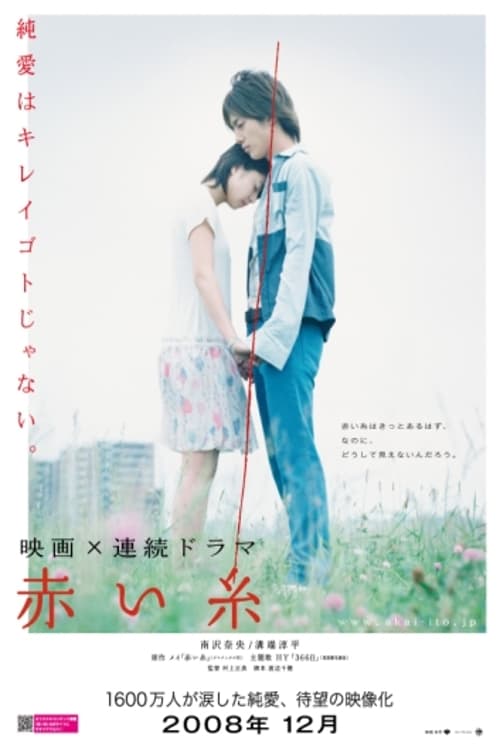
What is the significance of the red thread in the story?
What challenges do the characters face that test their connection?
How do the characters' pasts influence their present actions?
Should I watch it?
Ask Your Own Question

What is the plot?
Sorry, we aren't able to watch and write up a full detailed plot yet. Check back in a few days.

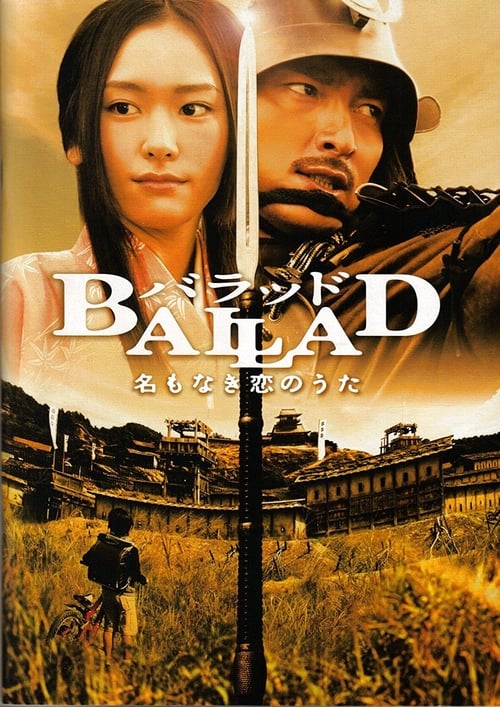
What is the ending?
In the ending of "The Red Thread," the main characters confront their intertwined fates, leading to a resolution that highlights the themes of love, sacrifice, and the bonds that connect them. The film concludes with a poignant moment of acceptance and understanding, as the characters come to terms with their past and the choices they have made.
As the final scenes unfold, we see the protagonist, a young woman named Mei, standing at a crossroads in her life. She reflects on her journey, the relationships she has built, and the sacrifices she has made for love. The emotional weight of her decisions hangs heavily in the air, and she grapples with the consequences of her actions.
In a series of flashbacks, we witness the pivotal moments that have shaped her relationships with the other main characters: her childhood friend, a talented artist named Jian, and her estranged father, who has been a source of pain and longing in her life. The memories are vivid, filled with laughter, tears, and the unbreakable bond of family and friendship.
As the narrative progresses, Mei makes a choice that signifies her growth and acceptance of her past. She reaches out to Jian, who has been struggling with his own demons, and they share a heartfelt conversation that brings closure to their relationship. Jian, who has been haunted by his own insecurities and the fear of losing Mei, finds solace in her words. They embrace, a symbol of their enduring connection despite the challenges they have faced.
Meanwhile, Mei's father, who has been distant and regretful, finally confronts his own shortcomings. In a powerful scene, he seeks forgiveness from Mei, acknowledging the pain he has caused her. This moment of vulnerability allows Mei to release the burden of resentment she has carried for so long. They share a tearful reconciliation, marking a new beginning for their relationship.
The film concludes with Mei standing on a bridge, looking out over a river that symbolizes the flow of time and the continuity of life. She takes a deep breath, feeling a sense of peace wash over her. The camera pans out, capturing the beauty of the landscape and the connections that bind the characters together. The final shot lingers on the red thread that has been a recurring motif throughout the film, representing the ties of fate and love that cannot be severed.
In the end, Mei, Jian, and her father each find a sense of closure and hope for the future. They have faced their pasts, embraced their emotions, and emerged stronger, ready to move forward with their lives. The film leaves the audience with a sense of optimism, emphasizing the importance of love, forgiveness, and the unbreakable bonds that connect us all.
Is there a post-credit scene?
The movie "The Red Thread," produced in 2008, does not feature a post-credit scene. The film concludes its narrative without any additional scenes or content after the credits roll. The story wraps up its emotional arcs and character developments, leaving the audience with a sense of closure regarding the journey of the main characters.
What role does the setting play in the development of the story?
The setting serves as a backdrop that reflects the emotional states of the characters. The contrasting environments, from bustling cityscapes to serene natural landscapes, enhance the narrative by mirroring the characters' internal struggles and the evolution of their relationship.
How does the relationship between the main characters evolve throughout the film?
The relationship between the main characters begins with a sense of longing and unfulfilled desire. As they navigate their personal struggles and the obstacles presented by their circumstances, their bond deepens, leading to moments of vulnerability and intimacy that reveal their true feelings for one another.
What is the significance of the red thread in the story?
The red thread symbolizes the connection between the main characters, representing fate and the bonds that tie them together despite the challenges they face. It serves as a visual and emotional motif throughout the film.
What challenges do the characters face that test their connection?
The characters face various challenges, including societal expectations, personal insecurities, and external conflicts that threaten to separate them. These challenges force them to confront their fears and desires, ultimately testing the strength of their connection.
How do the characters' pasts influence their present actions?
The characters' pasts are filled with trauma and unresolved issues that shape their current behaviors and decisions. Flashbacks and emotional recollections reveal how their histories impact their ability to trust and love, adding depth to their motivations and interactions.
Is this family friendly?
"The Red Thread," produced in 2008, is a film that explores deep emotional themes and complex family dynamics. While it is not overtly graphic, there are several aspects that may be considered objectionable or upsetting for children or sensitive viewers:
-
Themes of Loss and Grief: The film delves into the emotional turmoil surrounding loss, which may be heavy for younger audiences to process.
-
Family Conflict: There are scenes depicting intense family arguments and emotional distress, which could be unsettling for some viewers.
-
Depictions of Mental Health Struggles: Characters experience significant emotional struggles, including anxiety and depression, which may be distressing for sensitive individuals.
-
Tension and Suspense: The film contains moments of tension that may evoke anxiety, particularly in scenes where characters face difficult decisions or confrontations.
-
Emotional Vulnerability: Characters display raw emotions, including sadness and despair, which may resonate deeply and could be overwhelming for some viewers.
Overall, while the film is rich in narrative and character development, its exploration of heavy themes may not be suitable for all children or sensitive viewers.








