





Popular
What role does the character of Veit Harlan play in the film?
How does the film depict the relationship between Harlan and his wife, and what significance does it hold?
What is the significance of the film 'Jew Süss' within the context of Harlan's career?
How does the documentary address the legacy of Harlan's work after World War II?
What insights does the film provide about the impact of propaganda on society through Harlan's story?
Should I watch it?
Ask Your Own Question

What is the plot?
Sorry, we aren't able to watch and write up a full detailed plot yet. Check back in a few days.
More Movies Like This
Browse All Movies →

What is the ending?
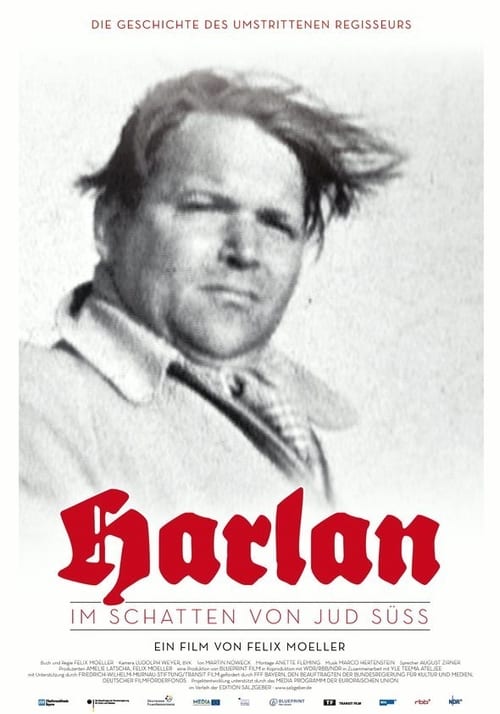
In the ending of "Harlan: In the Shadow of Jew Süss," the film culminates in a confrontation between the legacy of filmmaker Veit Harlan and the impact of his controversial work, particularly the film "Jew Süss." The documentary reveals the lasting effects of Harlan's actions on his family and the broader societal implications of his work during the Nazi regime. The film concludes with a sense of unresolved tension regarding the responsibility of artists for their creations and the haunting legacy of anti-Semitism.
As the film approaches its conclusion, the narrative shifts to the present-day descendants of Veit Harlan. The documentary intersperses interviews with Harlan's family members, who grapple with the weight of their ancestor's legacy. The emotional burden is palpable as they confront the historical context of Harlan's work and its ramifications.
In one poignant scene, Harlan's grandson, who has been deeply affected by the stigma of his grandfather's actions, expresses his struggle with the shame and guilt associated with his lineage. He articulates a desire to distance himself from Harlan's legacy while also acknowledging the complexity of their familial bond. This moment is filled with tension as he wrestles with the duality of being a descendant of a man whose work contributed to a culture of hatred.
Simultaneously, the film juxtaposes these personal reflections with archival footage of "Jew Süss," showcasing the film's propagandistic elements and the fervent reception it received during its release. The stark contrast between the historical impact of the film and the personal ramifications for Harlan's family creates a haunting atmosphere, emphasizing the inescapable nature of history.
As the documentary draws to a close, it leaves viewers with a lingering sense of discomfort. The final scenes depict Harlan's family members in various states of contemplation, underscoring the ongoing struggle to reconcile their heritage with the moral implications of their ancestor's work. The film ends without providing clear resolutions, instead highlighting the complexities of legacy, guilt, and the responsibility of artists in shaping societal narratives.
In summary, the fates of the main characters are intertwined with the unresolved questions of accountability and the haunting legacy of Veit Harlan's work. The film concludes on a note of introspection, leaving the audience to ponder the implications of art and its power to influence society, as well as the personal toll it takes on those connected to its creators.
Is there a post-credit scene?
The movie "Harlan: In the Shadow of Jew Süss" does not contain a post-credit scene. The film concludes its narrative without any additional scenes or content after the credits roll. The focus remains on the exploration of the legacy of the film "Jew Süss" and its impact on the portrayal of Jews in cinema, as well as the life and career of director Veit Harlan. The ending emphasizes the weight of history and the moral implications of Harlan's work, leaving the audience to reflect on the themes presented throughout the film.
What role does the character of Veit Harlan play in the film?
Veit Harlan is the central figure of the documentary, a German filmmaker who directed the notorious Nazi propaganda film 'Jew Süss.' The film explores his life, career, and the moral implications of his work during the Nazi regime, delving into his motivations and the impact of his film on society.
How does the film depict the relationship between Harlan and his wife, and what significance does it hold?
The film portrays Harlan's relationship with his wife, who is also an actress, as complex and strained. She grapples with the consequences of his work and the moral dilemmas it presents, reflecting the personal turmoil and conflict that arises from Harlan's choices and the societal repercussions of his film.
What is the significance of the film 'Jew Süss' within the context of Harlan's career?
The film 'Jew Süss' is depicted as a pivotal moment in Harlan's career, marking his rise to prominence within the Nazi film industry. It serves as a focal point for examining how propaganda can be used to manipulate public perception and the ethical responsibilities of filmmakers.
How does the documentary address the legacy of Harlan's work after World War II?
The documentary addresses Harlan's legacy by exploring how his films, particularly 'Jew Süss,' continued to influence perceptions of Jews and anti-Semitism long after the war. It examines the societal and personal repercussions he faced, including the challenges of reconciling his past with his post-war life.
What insights does the film provide about the impact of propaganda on society through Harlan's story?
The film provides insights into the insidious nature of propaganda, illustrating how Harlan's work contributed to the normalization of anti-Semitic sentiments in Nazi Germany. It highlights the power of cinema as a tool for shaping ideology and the moral responsibilities of those who create it.
Is this family friendly?
"Harlan: In the Shadow of Jew Süss" is a documentary that delves into the life and legacy of filmmaker Veit Harlan, particularly focusing on his controversial 1940 film "Jew Süss," which is widely regarded as anti-Semitic propaganda. Given its subject matter, the film is not considered family-friendly.
Potentially objectionable or upsetting aspects include:
-
Historical Context of Anti-Semitism: The film discusses the rise of Nazi ideology and its impact on Jewish communities, which may be distressing for children or sensitive viewers.
-
Graphic Imagery and Footage: There are scenes that include historical footage related to the Holocaust and the persecution of Jews, which can be disturbing.
-
Emotional Testimonies: Interviews with descendants of those affected by Harlan's work may evoke strong emotions, including grief and anger.
-
Discussion of Propaganda: The film analyzes how Harlan's work contributed to harmful stereotypes and societal attitudes, which may be challenging for younger audiences to comprehend.
-
Moral and Ethical Dilemmas: The exploration of Harlan's motivations and the implications of his work raises complex moral questions that may be difficult for children to process.
Overall, the film's themes and content are more suited for mature audiences who can engage with its historical and ethical complexities.








