











Popular
What is the relationship between Werther and Charlotte in the film?
How does Werther's emotional state evolve throughout the film?
What role does Albert play in Werther's life and in his relationship with Charlotte?
How does the setting influence the characters' emotions and actions in the film?
What are the key moments that lead to Werther's ultimate decision to end his life?
Should I watch it?
Ask Your Own Question

What is the plot?
Sorry, we aren't able to watch and write up a full detailed plot yet. Check back in a few days.



What is the ending?
In the ending of the movie "Werther," the protagonist, Werther, is consumed by his unrequited love for Charlotte. Overwhelmed by despair, he ultimately takes his own life. Charlotte, devastated by his death, is left to grapple with her feelings of guilt and sorrow.
As the film approaches its conclusion, we find Werther increasingly isolated in his emotional turmoil. He wanders through the picturesque landscapes, but the beauty around him contrasts sharply with his inner anguish. His love for Charlotte, who is now engaged to another man, Albert, becomes an unbearable burden.
In a pivotal scene, Werther visits Charlotte and Albert at their home. The atmosphere is tense; Charlotte is warm yet conflicted, while Albert remains oblivious to the depth of Werther's feelings. Werther's longing is palpable, and he struggles to maintain composure in the presence of the couple. The emotional weight of the moment is heavy, as Werther realizes that his love is unattainable.
After this visit, Werther retreats to his solitude, where he reflects on his life and the pain of his unreciprocated love. The film captures his descent into despair with haunting visuals of his surroundings, emphasizing his isolation. He writes a letter to Charlotte, pouring out his heart and expressing his hopelessness. This letter serves as a farewell, revealing the depth of his emotional suffering.
In the final scenes, Werther makes the tragic decision to end his life. The film portrays this moment with a somber tone, showing him preparing for his departure from the world. He dresses in his finest clothes, a stark contrast to the darkness that has enveloped him. The act is not one of anger but rather a culmination of his profound sorrow and inability to cope with his feelings.
The film concludes with Charlotte discovering Werther's lifeless body. Her reaction is one of utter devastation; she is overwhelmed by grief and guilt, realizing the impact of her choices on Werther's fate. The final moments linger on her emotional turmoil, leaving the audience with a poignant sense of loss.
In summary, the ending of "Werther" encapsulates the tragic consequences of unrequited love, highlighting the emotional struggles of both Werther and Charlotte. Werther's fate is sealed by his despair, while Charlotte is left to confront the aftermath of his tragic decision, forever changed by the experience.
Is there a post-credit scene?
The movie "Werther," produced in 2008, does not feature a post-credit scene. The film concludes its narrative without any additional scenes after the credits roll. The story focuses on the intense emotional journey of the protagonist, Werther, as he grapples with unrequited love and existential despair, culminating in a poignant and tragic ending that leaves a lasting impact on the audience. The absence of a post-credit scene aligns with the film's somber tone and thematic depth, emphasizing the finality of Werther's fate.
What is the relationship between Werther and Charlotte in the film?
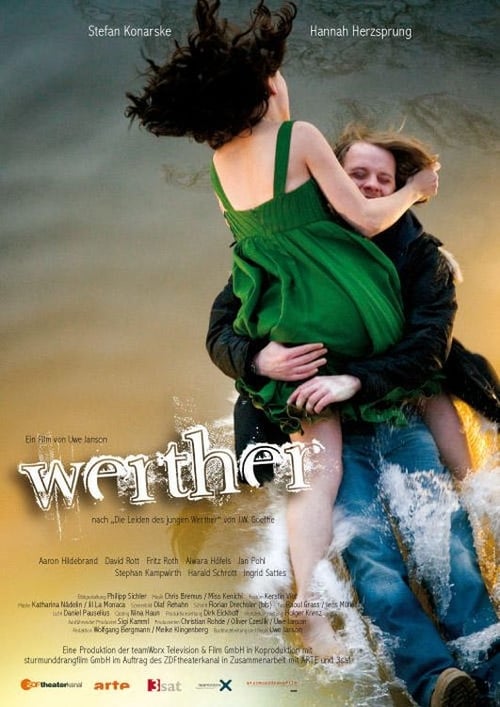
In the film 'Werther,' the relationship between Werther and Charlotte is central to the narrative. Werther, a passionate and sensitive young artist, becomes infatuated with Charlotte, who is engaged to another man, Albert. Their connection is intense and filled with longing, as Werther is captivated by Charlotte's beauty and spirit. Despite her affection for Werther, Charlotte feels bound by her commitment to Albert, creating a deep emotional conflict for both characters.
How does Werther's emotional state evolve throughout the film?
Werther's emotional state in the film evolves from initial joy and hope to profound despair. At the beginning, he is filled with excitement and inspiration due to his love for Charlotte. However, as he realizes that their love cannot be fulfilled because of her engagement to Albert, he spirals into a deep depression. This emotional turmoil is depicted through his increasingly erratic behavior, isolation, and ultimately, his tragic decision to take his own life.
What role does Albert play in Werther's life and in his relationship with Charlotte?
Albert serves as a significant obstacle in Werther's pursuit of Charlotte. He is Charlotte's fiancé and represents the societal expectations and responsibilities that bind her. Albert is portrayed as a rational and stable figure, contrasting sharply with Werther's passionate and impulsive nature. His presence creates tension, as Werther feels both jealousy and resentment towards him, which exacerbates his emotional struggles and feelings of inadequacy.
How does the setting influence the characters' emotions and actions in the film?
The setting in 'Werther' plays a crucial role in reflecting the characters' emotions and actions. The picturesque landscapes and serene environments contrast with Werther's inner turmoil, highlighting his feelings of isolation and despair. Scenes set in nature often evoke a sense of beauty and tranquility, which Werther longs for but cannot attain due to his emotional struggles. The changing seasons also symbolize the progression of Werther's mental state, from the vibrancy of spring to the bleakness of winter.
What are the key moments that lead to Werther's ultimate decision to end his life?
Key moments leading to Werther's decision to end his life include his growing despair over Charlotte's marriage to Albert, his feelings of hopelessness, and a series of emotional confrontations. One pivotal moment occurs when Werther realizes that Charlotte will never be his, leading to a breakdown in their relationship. Additionally, a confrontation with Albert further deepens Werther's sense of defeat. The culmination of these events, along with his intense emotional pain and inability to envision a future without Charlotte, drives him to his tragic conclusion.
Is this family friendly?
The movie "Werther," produced in 2008, is based on the classic novel "The Sorrows of Young Werther" by Johann Wolfgang von Goethe. It explores deep emotional themes and complex human experiences, which may not be suitable for children or sensitive viewers.
Potentially objectionable or upsetting aspects include:
-
Themes of Unrequited Love: The protagonist, Werther, experiences intense emotional pain due to his love for a woman who is engaged to another man. This unfulfilled longing can be distressing.
-
Depression and Despair: The film delves into Werther's struggles with depression, showcasing his internal turmoil and feelings of hopelessness, which may be unsettling for some viewers.
-
Suicidal Ideation: The narrative touches on themes of suicide, particularly as Werther's emotional state deteriorates. This aspect is handled with gravity and may be triggering for sensitive audiences.
-
Intense Emotional Scenes: There are moments of heightened emotional conflict, including arguments and displays of anguish, which could be overwhelming for younger viewers.
-
Isolation and Loneliness: Werther's profound sense of isolation and his struggle to connect with others can evoke feelings of sadness and discomfort.
Overall, while "Werther" is a poignant exploration of love and loss, its heavy themes and emotional depth may not be appropriate for a family-friendly viewing experience.









