
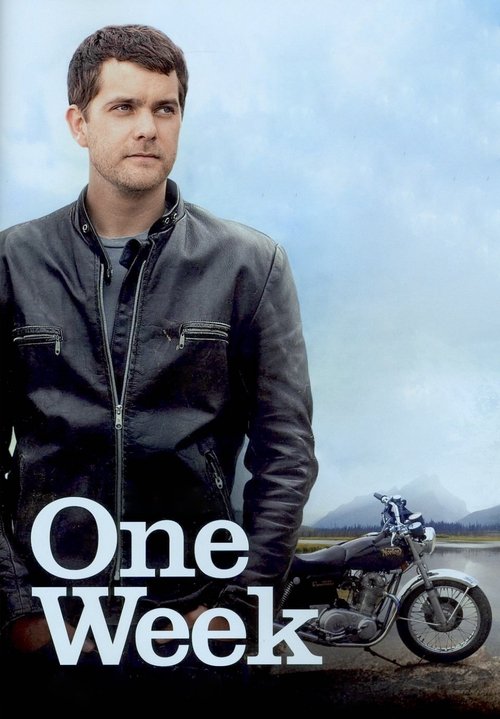
























Popular
What is the significance of the motorcycle journey in One Week?
How does Ben's relationship with his fiancée, Samantha, evolve throughout the film?
What role do the various characters Ben meets play in his journey?
How does Ben's perspective on life change after his diagnosis?
What is the significance of the locations Ben visits during his trip?
Should I watch it?
Ask Your Own Question

What is the plot?
Sorry, we aren't able to watch and write up a full detailed plot yet. Check back in a few days.
More Movies Like This
Browse All Movies →






What is the ending?
In the ending of "One Week," Ben Tyler, after a transformative journey across Canada, returns home to confront his illness and the reality of his life. He reconciles with his feelings for his fiancée, Samantha, and ultimately decides to embrace the present moment, regardless of his fate.
As the film draws to a close, Ben is seen riding his motorcycle along the scenic roads of Canada, reflecting on his experiences. He arrives back in Toronto, where he meets Samantha. Their reunion is filled with unspoken emotions, and they share a moment of connection that signifies a new understanding between them. The film ends with Ben looking out at the horizon, symbolizing hope and acceptance.
As the final scenes of "One Week" unfold, the camera captures the vastness of the Canadian landscape, a visual metaphor for Ben Tyler's internal journey. After traversing the country on his motorcycle, Ben finds himself back in Toronto, the city that holds both his past and his future. The sun is setting, casting a warm glow over the skyline, and Ben's face reflects a mixture of determination and vulnerability.
In a poignant moment, Ben arrives at a familiar spot, a place that resonates with memories of his life before his diagnosis. He takes a deep breath, the weight of his journey evident in his posture. The motorcycle, a symbol of his quest for freedom and self-discovery, is parked nearby. He steps off, feeling the ground beneath him, grounding himself in the reality of his situation.
As he walks through the streets, the bustling life of the city contrasts sharply with his introspective state. He is acutely aware of the people around him, their laughter and conversations a reminder of the life he yearns to fully embrace. The camera follows him closely, capturing the subtle shifts in his expression as he navigates through the crowd.
Ben's thoughts drift to Samantha, his fiancée, who has been a constant presence in his mind throughout his journey. He recalls their last conversation, filled with uncertainty and unspoken words. The emotional weight of their relationship hangs heavily on him as he approaches her apartment. The door opens, and there she stands, a mixture of surprise and relief washing over her face.
Their reunion is charged with emotion. Ben's eyes search Samantha's, seeking understanding and connection. They share a long, silent moment, both aware of the gravity of what has transpired in their lives. Ben finally speaks, his voice steady yet filled with vulnerability. He expresses his desire to be present, to truly live in the moment, regardless of the uncertainties that lie ahead.
Samantha listens intently, her eyes glistening with unshed tears. She reaches out, and they embrace, a physical manifestation of their shared struggles and hopes. In that moment, the tension that had built between them begins to dissolve, replaced by a sense of mutual acceptance and love.
As they stand together, the camera pulls back, revealing the cityscape behind them. The vibrant life of Toronto continues, but for Ben and Samantha, time seems to stand still. They are no longer just individuals facing their own battles; they are partners, ready to face whatever comes next together.
The film concludes with Ben looking out at the horizon, a symbolic gesture of hope and acceptance. The sun dips below the skyline, casting a golden hue over the scene. It is a moment of reflection, not just on his illness but on the beauty of life itself. The journey has changed him, and as he stands there, he understands that while the future may be uncertain, he is ready to embrace it, one moment at a time.
In the end, Ben's fate remains open-ended, reflecting the film's exploration of life, love, and the importance of living in the present. Samantha, too, is transformed by their experiences, ready to support Ben as they navigate the complexities of their relationship together. The film closes on a note of hope, emphasizing the power of connection and the beauty of life's fleeting moments.
Is there a post-credit scene?
The movie "One Week," produced in 2008, does not have a post-credit scene. The film concludes with its narrative arc, focusing on the journey of the main character, Ben Tyler, as he grapples with his terminal cancer diagnosis and embarks on a cross-country motorcycle trip. The ending emphasizes themes of life, mortality, and the beauty of the journey rather than leaving viewers with an additional scene after the credits. The film wraps up with a poignant reflection on Ben's experiences and the connections he makes along the way, leaving the audience with a sense of closure.
What is the significance of the motorcycle journey in One Week?
The motorcycle journey in One Week serves as a metaphor for the protagonist's quest for self-discovery and reflection on his life choices. As Ben Tyler rides across Canada, he confronts his mortality and the impact of his recent cancer diagnosis. Each stop along the way allows him to meet various characters who challenge his perspectives and encourage him to embrace life more fully.
How does Ben's relationship with his fiancée, Samantha, evolve throughout the film?
Ben's relationship with Samantha is strained by his diagnosis and the uncertainty of their future together. Initially, Ben feels disconnected from her as he grapples with his illness. However, as he embarks on his journey, he reflects on their relationship and the importance of love and connection. By the end of the film, he recognizes the depth of his feelings for her and the need to communicate openly about his fears and desires.
What role do the various characters Ben meets play in his journey?
The characters Ben encounters during his motorcycle trip each represent different aspects of life and death, offering him unique insights. For instance, he meets a couple who have embraced their own challenges, a man who shares his own cancer story, and a woman who embodies the spirit of adventure. These interactions help Ben to confront his fears, reassess his priorities, and ultimately find a sense of peace with his situation.
How does Ben's perspective on life change after his diagnosis?
Initially, Ben is overwhelmed by his cancer diagnosis, feeling lost and uncertain about his future. However, as he travels, he begins to appreciate the beauty of life and the importance of living in the moment. His experiences on the road lead him to embrace spontaneity, reconnect with his passions, and understand the value of relationships, ultimately transforming his outlook on life.
What is the significance of the locations Ben visits during his trip?
The locations Ben visits during his trip across Canada are significant as they symbolize his emotional journey. Each place he stops at reflects different themes of life, such as love, loss, and the beauty of nature. From the serene landscapes of the Canadian wilderness to bustling urban settings, these locations serve as backdrops for Ben's introspection and growth, highlighting the contrast between his internal struggles and the external world.
Is this family friendly?
"One Week," produced in 2008, is a film that explores themes of mortality, self-discovery, and the human experience through the journey of its protagonist, Ben Tyler. While the film is not overtly graphic or violent, there are several elements that may be considered objectionable or upsetting for children or sensitive viewers.
-
Terminal Illness: The central premise revolves around the protagonist being diagnosed with cancer, which may be distressing for younger audiences or those sensitive to themes of illness and death.
-
Emotional Struggles: The film delves into deep emotional territory, including feelings of despair, fear, and existential reflection. These themes may be heavy for children to process.
-
Family Dynamics: There are scenes that explore strained family relationships and the impact of illness on loved ones, which could evoke strong emotions.
-
Life Choices and Regrets: The protagonist reflects on his life choices, leading to moments of regret and introspection that may be difficult for younger viewers to understand.
-
Mature Themes: The film touches on adult themes such as love, loss, and the meaning of life, which may not resonate with a younger audience.
Overall, while "One Week" is not explicitly inappropriate, its themes and emotional depth may be more suitable for older teens and adults rather than children.








