































Popular
What is the significance of the Castle Doran in the story?
How does Wataru Kurenai's character evolve throughout the film?
What role does the character of Otoya Kurenai play in the film?
What is the relationship between Wataru and the Fangire Queen, Maya?
What are the motivations behind the actions of the main antagonist, the Fangire King?
Should I watch it?
Ask Your Own Question

What is the plot?
Sorry, we aren't able to watch and write up a full detailed plot yet. Check back in a few days.
More Movies Like This
Browse All Movies →


What is the ending?
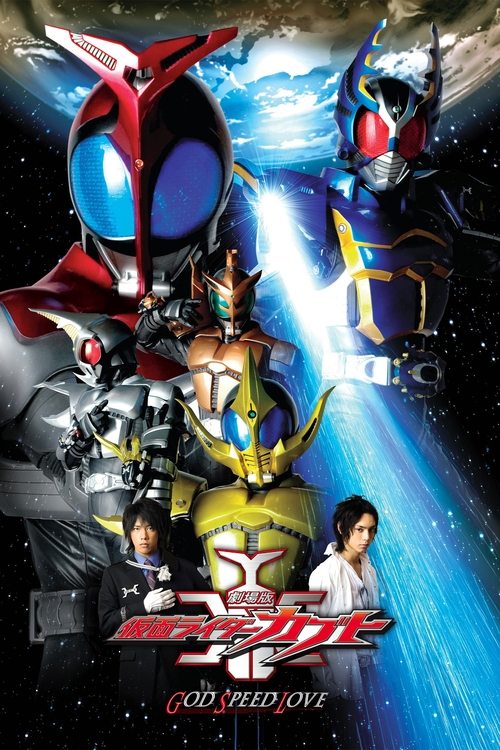
In the ending of "Kamen Rider Kiva: King of the Castle in the Demon World," Wataru Kurenai, as Kamen Rider Kiva, confronts the final battle against the powerful enemy, the Demon King. After a fierce struggle, Wataru manages to defeat the Demon King, saving both the human and Fangire worlds. The film concludes with Wataru embracing his role as a protector, while his allies find peace in their respective lives.
As the climax of "Kamen Rider Kiva: King of the Castle in the Demon World" unfolds, the atmosphere is thick with tension. The scene opens in the heart of the Demon World, where Wataru Kurenai, donned in his Kamen Rider Kiva armor, stands resolute against the towering figure of the Demon King. The air crackles with energy as the two prepare for their final confrontation, the stakes higher than ever.
Wataru's heart races, a mix of determination and fear coursing through him. He recalls the struggles of his friends and the sacrifices made along the way. The memories of his father, the previous Kamen Rider, flash before his eyes, fueling his resolve. He knows that this battle is not just for himself but for the future of both humans and Fangires.
The battle erupts with a flurry of strikes and counterattacks. The Demon King, a formidable foe with immense power, unleashes a barrage of attacks, each one more devastating than the last. Wataru, however, taps into the strength of his allies, channeling their hopes and dreams into his own fighting spirit. The choreography of their combat is intense, showcasing Wataru's agility and the raw power of the Demon King.
As the fight reaches its peak, Wataru finds an opening. With a surge of energy, he transforms into his ultimate form, Kiva Emperor. The transformation is visually stunning, with a brilliant display of light and sound that signifies his ascension to a new level of power. The Demon King, momentarily taken aback, regains his composure and retaliates fiercely, but Wataru's newfound strength is overwhelming.
In a climactic moment, Wataru delivers a decisive blow, a powerful finishing move that encapsulates all his struggles and the support of his friends. The Demon King is defeated, his form disintegrating into a cascade of light, symbolizing the end of his reign of terror. Wataru stands victorious, but the victory is bittersweet. He feels the weight of the lives lost and the battles fought, a reminder of the cost of peace.
As the dust settles, Wataru is surrounded by his friends and allies, who have fought alongside him. They share a moment of relief and joy, knowing that they have saved both worlds from destruction. Each character reflects on their journey: Wataru's growth from a hesitant young man to a confident hero, and the bonds formed through adversity.
The film concludes with a serene scene, where Wataru stands at the edge of a cliff overlooking the horizon. The sun sets, casting a warm glow over the landscape, symbolizing hope and new beginnings. Wataru embraces his role as a protector, ready to face whatever challenges may come in the future. His friends, now at peace, return to their lives, having found closure in their own stories.
In the final moments, the camera pans out, capturing the beauty of the world they fought to save, leaving the audience with a sense of hope and the enduring spirit of camaraderie. Each character's fate is intertwined with Wataru's, as they all move forward, united by their shared experiences and the promise of a brighter tomorrow.
Is there a post-credit scene?
In "Kamen Rider Kiva: King of the Castle in the Demon World," there is indeed a post-credit scene that adds an intriguing layer to the film's narrative.
As the credits roll, the scene opens in a dimly lit room filled with various artifacts and remnants of battles past. The camera pans slowly, revealing a figure shrouded in shadows. This figure is revealed to be a mysterious character, who is later identified as a new antagonist. The atmosphere is tense, with a sense of foreboding as the character examines a Kiva-themed artifact, hinting at their connection to the Kamen Rider legacy.
The character speaks cryptically about the future and the ongoing struggle between humans and the Fangire, suggesting that the battle is far from over. Their voice is calm yet menacing, filled with a sense of purpose and determination. The scene closes with a close-up of the character's eyes, which glint with a sinister light, leaving the audience with a chilling sense of anticipation for what may come next.
This post-credit scene serves not only as a teaser for potential future conflicts but also reinforces the themes of legacy and the cyclical nature of the battle between good and evil that permeates the Kamen Rider series.
What is the significance of the Castle Doran in the story?
Castle Doran serves as the central location in 'Kamen Rider Kiva: King of the Castle in the Demon World.' It is depicted as a dark, foreboding structure that symbolizes the power and influence of the Fangire, the antagonistic race in the film. The castle is not only a physical stronghold but also a representation of the internal struggles faced by the characters, particularly Wataru Kurenai, who must confront his lineage and the legacy of the Kiva. The castle's eerie architecture and haunting atmosphere amplify the film's themes of conflict between light and darkness.
How does Wataru Kurenai's character evolve throughout the film?
Wataru Kurenai begins as a timid and introverted young man, burdened by the legacy of his father and the expectations of being Kamen Rider Kiva. Throughout the film, he grapples with his identity and the fear of becoming like his father, who was a powerful but ruthless figure. As the story progresses, Wataru faces numerous challenges that force him to confront his fears and embrace his role as a protector. His emotional journey is marked by moments of doubt, determination, and ultimately, acceptance of his destiny, culminating in a powerful transformation that showcases his growth.
What role does the character of Otoya Kurenai play in the film?
Otoya Kurenai, Wataru's father, plays a crucial role in the narrative, serving as both a mentor and a source of conflict for Wataru. His character is depicted as charismatic and confident, embodying the traits of a classic hero. However, his past actions and the consequences of his choices create a complex relationship with Wataru. Otoya's desire to protect his son while also grappling with his own dark legacy adds depth to the story. His interactions with Wataru are filled with emotional tension, as Wataru seeks to understand his father's motivations and the burden of their shared lineage.
What is the relationship between Wataru and the Fangire Queen, Maya?
Wataru's relationship with Maya, the Fangire Queen, is central to the emotional core of the film. Initially, Maya is portrayed as an antagonist, embodying the conflict between humans and Fangire. However, as the story unfolds, it becomes clear that there is a deeper connection between them, rooted in their shared struggles and desires. Wataru is drawn to Maya's strength and vulnerability, while Maya is intrigued by Wataru's humanity and compassion. Their relationship evolves from one of conflict to a complex bond that challenges their respective identities and allegiances, ultimately highlighting the themes of love and sacrifice.
What are the motivations behind the actions of the main antagonist, the Fangire King?
The Fangire King, as the primary antagonist, is driven by a desire for power and control over both the Fangire and human worlds. His motivations stem from a deep-seated belief in the superiority of the Fangire race and a longing to establish dominance. Throughout the film, he manipulates events to pit Wataru against his own lineage, seeking to exploit Wataru's insecurities and fears. The King's ruthless tactics and willingness to sacrifice others for his ambitions create a palpable tension, as he embodies the darker aspects of ambition and the consequences of unchecked power.
Is this family friendly?
"Kamen Rider Kiva: King of the Castle in the Demon World" contains several elements that may be considered objectionable or upsetting for children or sensitive viewers. Here are some aspects to be aware of:
-
Violence and Action Sequences: The film features intense battles between Kamen Riders and various monsters, which include physical confrontations, weapon use, and transformations that may be frightening for younger audiences.
-
Dark Themes: The narrative explores themes of family conflict, betrayal, and the struggle between good and evil, which may be emotionally heavy for some viewers.
-
Monstrous Creatures: The presence of grotesque and menacing creatures, including the Fangire, can be unsettling. Their designs and behaviors may evoke fear.
-
Death and Sacrifice: There are moments that touch on loss and sacrifice, which could be distressing for children, particularly in the context of familial relationships.
-
Emotional Turmoil: Characters experience significant emotional struggles, including feelings of loneliness, despair, and conflict, which may resonate deeply and evoke strong emotions.
-
Supernatural Elements: The film includes supernatural occurrences and transformations that may be confusing or frightening for younger viewers.
While the film is designed for a family audience, these elements may require parental guidance for younger children or those sensitive to such themes.







