






















Popular
How does Lupin's relationship with Fujiko Mine evolve in this film?
What role does Inspector Zenigata play in the story?
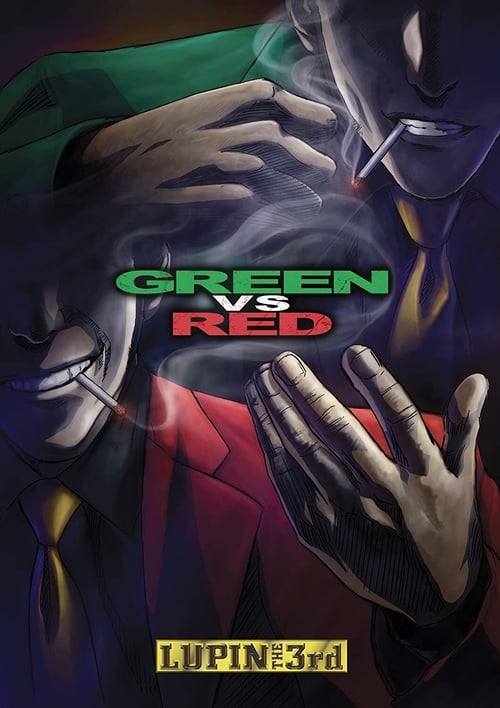
What is the significance of the red and green colors in the movie?
What is the backstory of the character known as 'The Phantom Thief'?
How does the film explore the theme of identity through Lupin and his doppelgänger?
Should I watch it?
Ask Your Own Question

What is the plot?
Sorry, we aren't able to watch and write up a full detailed plot yet. Check back in a few days.
More Movies Like This
Browse All Movies →

What is the ending?
In the ending of "Lupin the Third: Green vs Red," Lupin and his friends confront the true mastermind behind the chaos, leading to a climactic showdown. The film concludes with Lupin's victory, but it also leaves a sense of ambiguity regarding his identity and the nature of his rivalry with Goemon and Jigen. The characters reflect on their bonds and the meaning of their adventures together.
As the final act unfolds, the scene shifts to a grand, sprawling mansion where the final confrontation is set to take place. The atmosphere is thick with tension, and the stakes are higher than ever. Lupin, having pieced together the clues throughout the film, realizes that the true antagonist is not just a simple rival but a reflection of himself--an embodiment of his own desires and fears.
Lupin stands at the entrance of the mansion, his heart racing with a mix of excitement and trepidation. He knows that this is not just a battle for treasure but a confrontation with his own identity. The camera captures the flicker of determination in his eyes, a man ready to face the consequences of his choices.
Inside the mansion, Goemon and Jigen are already engaged in a fierce battle against the henchmen of the true villain. Goemon, with his katana gleaming, slices through the adversaries with precision, his face a mask of focus and resolve. Jigen, with his trademark hat tilted low, fires his gun with expert aim, his expression a blend of concentration and camaraderie as he fights alongside his friends.
As Lupin makes his way through the mansion, he encounters various traps and challenges that test not only his skills but also his resolve. Each obstacle serves as a metaphor for the internal struggles he faces--his desire for freedom versus the responsibilities of friendship. The tension builds as he finally reaches the main chamber, where the true mastermind awaits.
In a dramatic reveal, the antagonist is shown to be a doppelgänger of Lupin, a figure who embodies the darker aspects of his personality. This confrontation is not just physical but deeply psychological, as Lupin grapples with the implications of his own choices and the legacy he wishes to leave behind. The doppelgänger taunts him, challenging his motivations and questioning whether he is truly the hero he believes himself to be.
The battle that ensues is a whirlwind of action, with Lupin using his cunning and agility to outsmart his opponent. The animation captures the fluidity of their movements, the vibrant colors contrasting with the dark tones of the mansion. As the fight reaches its climax, Lupin manages to outmaneuver his doppelgänger, delivering a decisive blow that symbolizes his acceptance of his true self.
With the antagonist defeated, the tension in the room dissipates, leaving Lupin breathless but victorious. He stands amidst the wreckage, reflecting on the journey that brought him here. Goemon and Jigen join him, their expressions a mix of relief and pride. They share a moment of camaraderie, acknowledging the bond that has been tested but ultimately strengthened through their trials.
As the film draws to a close, the characters are seen walking away from the mansion, the sun setting in the background. Lupin, with a contemplative look, glances back at the chaos they have left behind. There is a sense of ambiguity in his expression, hinting at the ongoing nature of his adventures and the complexities of his identity.
Goemon and Jigen exchange knowing glances, their friendship reaffirmed through the challenges they faced together. The final scene captures the essence of their journey--an acknowledgment that while they may face external conflicts, the true battles lie within themselves. The screen fades to black, leaving the audience with a lingering sense of wonder about the nature of identity, friendship, and the adventures that await.
Is there a post-credit scene?
In "Lupin the Third: Green vs Red," there is indeed a post-credit scene that adds a humorous touch to the film's conclusion. After the credits roll, the scene opens with Lupin, dressed in his signature green jacket, sitting in a café. He appears relaxed and is enjoying a cup of coffee.
As he sips his drink, he suddenly notices a commotion outside. Curious, he stands up and walks over to the window. The scene outside reveals a chaotic chase involving his rival, Goemon, and a group of armed men. Goemon, in his traditional samurai attire, is effortlessly dispatching his pursuers with his katana, showcasing his skill and determination.
Lupin watches the spectacle with a mix of amusement and admiration, chuckling to himself. He comments on Goemon's relentless pursuit of justice and how it seems to always lead to trouble. Just as he turns back to his coffee, a stray bullet from the outside chaos shatters the café window, startling him.
The scene ends with Lupin exclaiming in frustration, "Why does this always happen to me?" as he ducks for cover, leaving the audience with a light-hearted reminder of the unpredictable nature of his adventures. This post-credit moment encapsulates the film's blend of action and comedy, reinforcing the camaraderie and chaos that define Lupin's world.
How does Lupin's relationship with Fujiko Mine evolve in this film?
In this installment, Lupin's relationship with Fujiko Mine is marked by tension and complexity. Fujiko, ever the femme fatale, plays both sides, sometimes aiding Lupin and at other times pursuing her own interests. Her motivations are often ambiguous, leading to moments of betrayal and rekindled affection, which adds emotional depth to their interactions.
What role does Inspector Zenigata play in the story?
Inspector Zenigata serves as both a comedic foil and a determined adversary in 'Green vs Red'. His relentless pursuit of Lupin adds tension to the plot, as he is often one step behind. However, his character also showcases moments of vulnerability, particularly when he grapples with the idea of Lupin's potential redemption, highlighting the complexity of their cat-and-mouse relationship.
What is the significance of the red and green colors in the movie?
In 'Lupin the Third: Green vs Red', the colors red and green symbolize the rivalry between Lupin and his doppelgänger, Goemon. The red represents Lupin's flamboyant and adventurous nature, while the green signifies Goemon's more serious and traditional approach to thievery. This color dichotomy is visually represented throughout the film, influencing character dynamics and the overall narrative.
What is the backstory of the character known as 'The Phantom Thief'?
The Phantom Thief is a mysterious figure who emerges as a central antagonist in the film. His backstory reveals a connection to Lupin, as he is a master thief who has studied Lupin's methods and seeks to outdo him. This character's motivations are rooted in a desire for recognition and revenge, creating a personal rivalry that drives much of the film's conflict.
How does the film explore the theme of identity through Lupin and his doppelgänger?
The theme of identity is central to 'Green vs Red', particularly through the character of Lupin and his doppelgänger. The film delves into Lupin's struggle with his own identity as a thief and the implications of having someone who mirrors his skills and persona. This exploration leads to moments of introspection for Lupin, as he confronts what it means to be a master thief in a world where he is not the only one.
Is this family friendly?
"Lupin the Third: Green vs Red" contains several elements that may not be suitable for younger audiences or sensitive viewers. Here are some potentially objectionable aspects:
-
Violence: The film features action sequences that include gunfights, chases, and physical confrontations. While not excessively graphic, the violence is a recurring theme throughout the movie.
-
Theft and Criminal Activity: The central characters are thieves, and the plot revolves around heists and criminal schemes. This portrayal of crime may not be appropriate for children.
-
Mature Themes: The film explores themes of identity, rivalry, and betrayal, which may be complex for younger viewers to fully understand.
-
Suggestive Humor: There are instances of suggestive jokes and innuendos that may not be suitable for all audiences.
-
Emotional Conflict: Characters experience intense emotional struggles, including feelings of betrayal and loss, which could be upsetting for sensitive viewers.
Overall, while the film is animated and has a comedic tone, these elements may warrant caution for children and those who are sensitive to such content.