






Popular
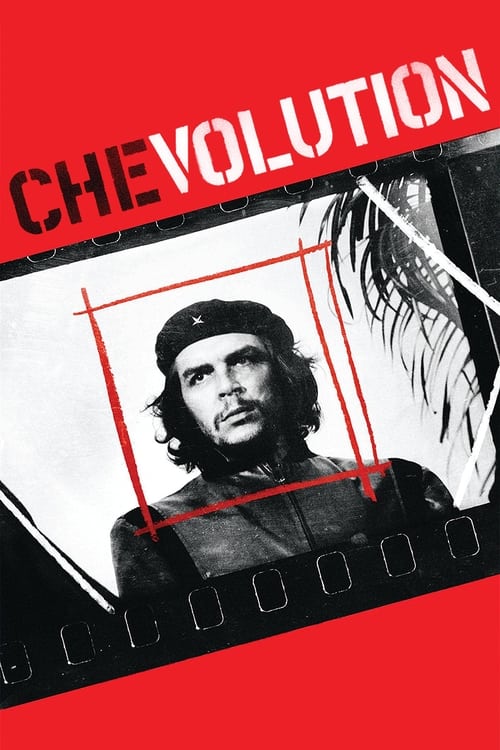
What role does the iconic photograph of Che Guevara play in the film?
How does the film depict Che Guevara's relationship with Fidel Castro?
What insights does the film provide about Che Guevara's motivations for revolution?
How does the film address the impact of Che Guevara's image on popular culture?
What are the key moments in Che Guevara's life that the film highlights?
Should I watch it?
Ask Your Own Question

What is the plot?
Sorry, we aren't able to watch and write up a full detailed plot yet. Check back in a few days.
More Movies Like This
Browse All Movies →




What is the ending?
In the ending of "Chevolution," the film culminates in a reflection on the legacy of Che Guevara and the impact of his image on popular culture. The documentary concludes by showcasing how Guevara's image has transcended its original political context, becoming a symbol of rebellion and counterculture worldwide. The film leaves viewers contemplating the complexities of Guevara's life and the various interpretations of his legacy.
As the film approaches its conclusion, it begins to weave together the various threads of Che Guevara's life and the evolution of his image. The narrative shifts to the modern-day implications of Guevara's iconic photograph taken by Alberto Korda. This image, once a symbol of revolutionary fervor, has morphed into a commercialized icon, appearing on everything from t-shirts to posters, often stripped of its original political meaning.
The documentary features interviews with various individuals, including artists, historians, and cultural critics, who discuss the duality of Guevara's legacy. They reflect on how his image has been appropriated by different movements and how it resonates with people across the globe, regardless of their political beliefs. This section of the film emphasizes the disconnect between Guevara's intentions as a revolutionary and the commodification of his likeness in contemporary society.
As the film progresses, it juxtaposes archival footage of Guevara's life, including his passionate speeches and moments of camaraderie with fellow revolutionaries, against the backdrop of modern-day protests and movements that invoke his image. The emotional weight of these scenes highlights the ongoing struggle for social justice and the search for identity among those who adopt Guevara's image as a symbol of resistance.
The final scenes of "Chevolution" focus on the enduring nature of Guevara's legacy. The film presents a montage of various protests and demonstrations around the world where Guevara's image is prominently displayed. This powerful imagery serves to illustrate the idea that while Guevara himself may have been a complex and controversial figure, his image continues to inspire and provoke thought among new generations.
In the closing moments, the film leaves viewers with a sense of ambivalence regarding the legacy of Che Guevara. It poses questions about the nature of heroism, the complexities of revolutionary ideals, and the ways in which history can be reinterpreted over time. The documentary concludes without providing definitive answers, instead inviting the audience to reflect on the multifaceted nature of Guevara's life and the ongoing relevance of his image in contemporary culture.
Ultimately, the fate of Che Guevara, as depicted in the film, is one of both reverence and critique. While he remains a symbol of revolutionary spirit for many, the film underscores the importance of understanding the historical context and the varied interpretations of his legacy. The documentary serves as a reminder that the images we hold dear can evolve, often taking on meanings far removed from their origins.
Is there a post-credit scene?
The movie "Chevolution," produced in 2008, does not contain a post-credit scene. The film focuses on the cultural impact of the iconic image of Che Guevara, exploring how this photograph by Alberto Korda became a symbol of revolution and counterculture around the world. The narrative concludes without any additional scenes or content after the credits, focusing instead on the themes of identity, representation, and the legacy of Che Guevara.
What role does the iconic photograph of Che Guevara play in the film?
The film explores the significance of the famous photograph taken by Alberto Korda, which became a symbol of revolution and rebellion. It delves into how this image transformed Che Guevara's identity and legacy, becoming a global icon that transcended its original context.
How does the film depict Che Guevara's relationship with Fidel Castro?
The film illustrates the complex relationship between Che Guevara and Fidel Castro, showcasing their shared revolutionary ideals and the tensions that arose as they navigated the political landscape of Cuba. It highlights their camaraderie during the Cuban Revolution and the eventual ideological rifts that developed.
What insights does the film provide about Che Guevara's motivations for revolution?
Chevolution delves into Guevara's personal motivations, portraying him as a passionate revolutionary driven by a deep sense of social justice and a desire to combat imperialism. The film examines his writings and speeches, revealing his internal struggles and unwavering commitment to his cause.
How does the film address the impact of Che Guevara's image on popular culture?
The documentary explores how Che Guevara's image has been appropriated in various cultural contexts, from fashion to political movements. It discusses the paradox of his image being used for commercial purposes while simultaneously representing revolutionary ideals.
What are the key moments in Che Guevara's life that the film highlights?
Chevolution highlights pivotal moments in Guevara's life, including his early travels across Latin America, his involvement in the Cuban Revolution, and his later attempts to incite revolutions in Africa and South America. These moments are depicted with emotional depth, showcasing his evolution as a revolutionary figure.
Is this family friendly?
"Chevolution," produced in 2008, is a documentary that explores the life of Che Guevara and the cultural impact of his image. While it is primarily an educational film, there are several aspects that may be considered objectionable or upsetting for children or sensitive viewers.
-
Historical Violence: The film discusses the violent aspects of the Cuban Revolution and Guevara's role in it, which may include graphic descriptions or imagery related to conflict and warfare.
-
Political Ideologies: The documentary delves into complex political themes, including communism and revolution, which may be difficult for younger audiences to fully understand and could provoke strong reactions.
-
Imagery of Death: There are references to death and martyrdom associated with Guevara's life and legacy, which may be unsettling for some viewers.
-
Cultural Context: The film includes discussions about the impact of Guevara's image in various political movements, which may touch on sensitive topics related to oppression and rebellion.
-
Emotional Tone: The overall tone of the documentary can be serious and somber, reflecting on the struggles and sacrifices made during the revolution, which might be heavy for younger viewers.
These elements may require parental guidance for younger audiences to help contextualize the historical and political content presented in the film.







