







Popular
What motivates Henry Lee Lucas to become a drifter?
How does Henry's relationship with his mother influence his actions throughout the film?
What role does the character of Otis play in Henry's life?
How does the film depict Henry's interactions with law enforcement?
What is the significance of Henry's confessions about his crimes?
Should I watch it?
Ask Your Own Question

What is the plot?
Sorry, we aren't able to watch and write up a full detailed plot yet. Check back in a few days.




What is the ending?
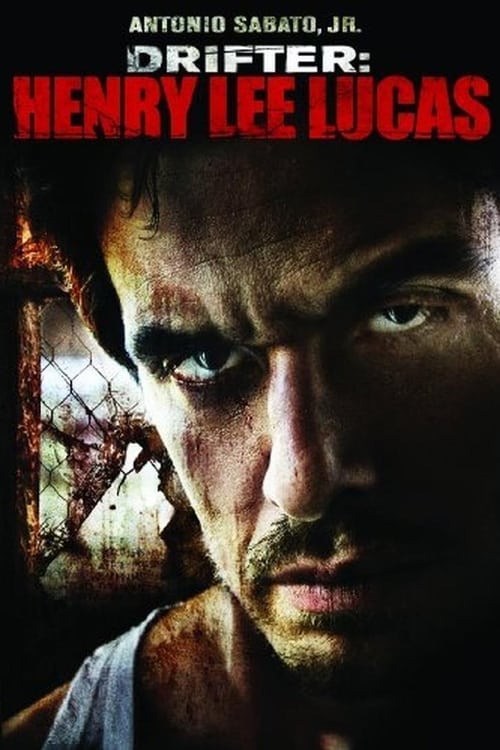
In the ending of "Drifter: Henry Lee Lucas," Henry is captured and ultimately confesses to numerous murders, leading to his imprisonment. The film concludes with a sense of ambiguity regarding his guilt and the nature of his confessions, leaving the audience questioning the truth behind his claims.
As the film approaches its conclusion, we find Henry Lee Lucas in a dimly lit interrogation room, the atmosphere thick with tension. The camera captures his weary face, lined with the weight of his confessions and the burden of his past. He sits across from law enforcement officials, who press him for details about the murders he claims to have committed. The flickering fluorescent lights above cast a harsh glow, emphasizing the stark reality of his situation.
In a series of flashbacks interspersed with the interrogation, we see glimpses of Henry's tumultuous life. His childhood is marked by neglect and abuse, shaping him into a man who struggles with his identity and morality. The audience witnesses his interactions with various characters throughout the film, including his complicated relationship with his mother and the fleeting connections he makes with others, all of which contribute to his fractured psyche.
As the interrogation continues, Henry's demeanor shifts. He oscillates between moments of clarity and confusion, revealing the internal conflict that plagues him. He recounts gruesome details of the murders, but there is a palpable sense of doubt in his voice. The detectives listen intently, their expressions a mix of skepticism and intrigue. They are aware that Henry's confessions may be exaggerated or entirely fabricated, yet they are drawn to the sensational nature of his claims.
The film then transitions to a scene where Henry is taken to a prison facility. The stark, cold environment of the prison contrasts sharply with the earlier scenes of his chaotic life on the road. As he walks through the corridors, the sound of clanging metal doors echoes, symbolizing the finality of his situation. He is now a drifter no more, confined within the walls of a system that seeks to understand his actions.
In the final moments, Henry is seen in his cell, staring blankly at the wall. The camera lingers on his face, capturing the mixture of resignation and defiance. He is a man who has lived on the fringes of society, and now he faces the consequences of his choices. The film closes with a haunting silence, leaving viewers to grapple with the ambiguity of Henry's guilt and the nature of truth itself.
As the credits roll, the fate of the main characters is laid bare. Henry Lee Lucas is imprisoned, his future uncertain as he grapples with the weight of his confessions. The detectives, having pursued the truth, are left with more questions than answers, reflecting the complexities of justice and morality. The film leaves a lingering sense of unease, inviting the audience to ponder the nature of evil and the stories we tell ourselves.
Is there a post-credit scene?
In the movie "Drifter: Henry Lee Lucas," there is no post-credit scene. The film concludes without any additional content after the credits roll. The narrative wraps up with the final events surrounding Henry Lee Lucas, focusing on his life and the impact of his confessions, leaving the audience with a sense of closure regarding his story. The absence of a post-credit scene emphasizes the grim reality of Lucas's life and the haunting nature of his actions, rather than providing any further narrative twists or light-hearted moments.
What motivates Henry Lee Lucas to become a drifter?
Henry Lee Lucas, portrayed as a deeply troubled individual, is driven by a tumultuous past filled with abuse and abandonment. His experiences shape his desire to escape from societal norms and the pain of his childhood, leading him to drift across the country in search of belonging and identity.
How does Henry's relationship with his mother influence his actions throughout the film?
Henry's relationship with his mother is fraught with neglect and abuse, which profoundly impacts his psyche. Her harsh treatment instills in him feelings of worthlessness and anger, fueling his later violent tendencies and his need for connection, albeit in destructive ways.
What role does the character of Otis play in Henry's life?
Otis serves as both a companion and a catalyst for Henry's darker impulses. Their relationship is complex; Otis encourages Henry's violent behavior while also representing a twisted form of camaraderie. This dynamic highlights Henry's struggle between seeking friendship and succumbing to his violent instincts.
How does the film depict Henry's interactions with law enforcement?
Henry's interactions with law enforcement are marked by a mix of manipulation and vulnerability. He often presents himself as a harmless drifter, but his confessions and the ensuing investigations reveal a more sinister side. These encounters illustrate his ability to evade true accountability while simultaneously showcasing his internal conflict.
What is the significance of Henry's confessions about his crimes?
Henry's confessions serve as a crucial plot device that reveals his psychological state. They oscillate between truth and fabrication, reflecting his desire for attention and validation. This ambiguity raises questions about his guilt and the nature of his identity, as he grapples with the consequences of his actions and the reality of his existence.
Is this family friendly?
"Drifter: Henry Lee Lucas" is not considered family-friendly due to its mature themes and graphic content. The film explores the life of Henry Lee Lucas, a notorious serial killer, and includes several potentially objectionable aspects:
-
Violence and Gore: The film contains scenes depicting brutal violence, including murder and graphic imagery that may be disturbing to viewers.
-
Murder and Death: The narrative revolves around the life of a serial killer, which includes discussions and portrayals of death and the impact of violent crime.
-
Psychological Trauma: Characters experience significant emotional and psychological distress, which may be unsettling for sensitive viewers.
-
Substance Abuse: There are references to drug use and addiction, which may not be suitable for younger audiences.
-
Dark Themes: The film delves into themes of isolation, despair, and the darker aspects of human nature, which could be upsetting for some viewers.
Overall, the film's content is intended for mature audiences and may not be appropriate for children or those sensitive to such themes.





