







Popular
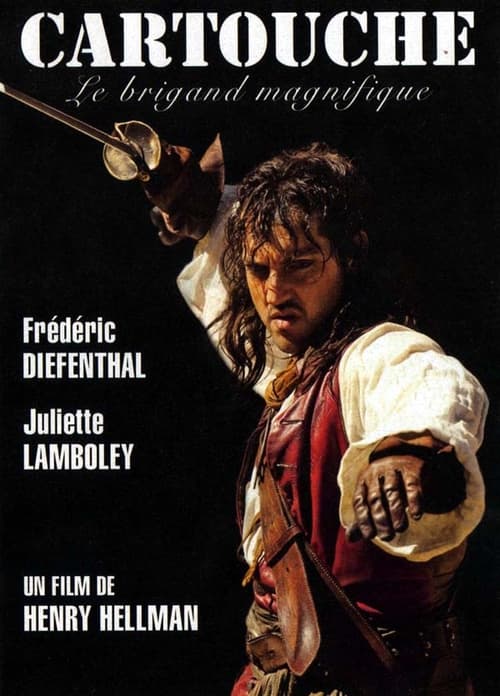
Who is the main character in Cartouche, le Brigand Magnifique and what motivates him?
What is the significance of Cartouche's relationship with the character of the Countess?
How does Cartouche's gang contribute to the plot and his character development?
What challenges does Cartouche face from the authorities, and how do these shape his actions?
What role does humor play in Cartouche's character and the overall story?
Should I watch it?
Ask Your Own Question

What is the plot?
Sorry, we aren't able to watch and write up a full detailed plot yet. Check back in a few days.








What is the ending?
In the ending of "Cartouche, le Brigand Magnifique," the protagonist, Cartouche, faces a series of confrontations that lead to his ultimate fate. After a series of adventures and conflicts with the authorities, Cartouche's life as a brigand comes to a climax. He is ultimately betrayed, leading to a dramatic showdown. The film concludes with Cartouche's capture, but he remains defiant, embodying the spirit of rebellion against oppression. His companions also face their own fates, with some escaping and others meeting tragic ends.
As the film approaches its conclusion, the tension escalates. The scene opens with Cartouche and his band of brigands hiding in their secret lair, a dimly lit cave adorned with stolen treasures. The atmosphere is thick with anticipation as they discuss their next move against the corrupt officials who have been pursuing them relentlessly. Cartouche, portrayed as charismatic and fearless, rallies his men, instilling a sense of loyalty and camaraderie among them. His internal struggle is evident; he grapples with the weight of leadership and the consequences of their outlaw lifestyle.
The next scene shifts to the bustling streets of Paris, where the authorities, led by a determined captain, are closing in on Cartouche. The captain, fueled by a personal vendetta against the brigand, devises a plan to trap him. The tension is palpable as the camera captures the frantic energy of the city, with citizens unaware of the impending confrontation. Cartouche, oblivious to the trap, continues to charm the townsfolk, showcasing his duality as both a hero and a rogue.
As night falls, the scene transitions back to the brigands' hideout. A sense of foreboding looms as one of Cartouche's closest allies, feeling the pressure of the hunt, contemplates betrayal. This moment of doubt is captured in close-up shots, highlighting the internal conflict and fear of the consequences of their actions. The betrayal unfolds when the ally secretly informs the authorities of Cartouche's location, leading to a dramatic raid.
The following scene is chaotic and intense. The authorities storm the hideout, and a fierce battle ensues. Cartouche fights valiantly, showcasing his agility and combat skills, but the overwhelming numbers of the guards begin to take their toll. The cinematography captures the frantic movements, the clash of swords, and the desperate cries of the brigands. In a moment of desperation, Cartouche attempts to escape, but he is ultimately cornered.
In the climax, Cartouche confronts the captain, and their duel is a culmination of their conflicting ideologies. The captain, representing law and order, clashes with Cartouche's embodiment of freedom and rebellion. The fight is fierce, filled with emotional stakes as both men fight not just for their lives but for their beliefs. Despite Cartouche's skill, he is ultimately overpowered and captured.
The final scenes depict Cartouche in chains, a stark contrast to his earlier bravado. He stands before a crowd, defiant even in defeat, delivering a powerful speech about freedom and the fight against tyranny. His spirit remains unbroken, and the audience can feel the weight of his convictions. The film closes with a montage of his companions, some escaping into the night, while others are captured or lost in the chaos. The fate of each character is left ambiguous, but the essence of their rebellion lingers in the air, suggesting that the fight against oppression continues, even if Cartouche himself is no longer at the forefront.
In the end, Cartouche's legacy as a brigand and a symbol of resistance is solidified, leaving viewers with a sense of hope amidst the tragedy of his capture. The film concludes on a poignant note, emphasizing the enduring spirit of rebellion against injustice, even in the face of overwhelming odds.
Is there a post-credit scene?
In the movie "Cartouche, le Brigand Magnifique," there is no post-credit scene. The film concludes its narrative without any additional scenes or content after the credits roll. The story wraps up with the resolution of the main plot, focusing on the adventures and escapades of the titular character, Cartouche, and his band of outlaws. The ending emphasizes themes of camaraderie and the pursuit of freedom, leaving the audience with a sense of closure regarding the characters' journeys.
Who is the main character in Cartouche, le Brigand Magnifique and what motivates him?
The main character in Cartouche, le Brigand Magnifique is Cartouche himself, a charming and cunning brigand. His motivations stem from a desire for freedom and adventure, as well as a deep-seated need to challenge the oppressive authority of the ruling class. Throughout the film, he grapples with his identity as a thief and his longing for a life that is not dictated by societal norms.
What is the significance of Cartouche's relationship with the character of the Countess?
Cartouche's relationship with the Countess is pivotal to the narrative, as it represents a clash between social classes and the complexities of love. The Countess is initially drawn to Cartouche's rebellious spirit, while Cartouche is captivated by her beauty and grace. Their interactions are filled with tension, as they navigate their feelings amidst the backdrop of Cartouche's criminal lifestyle and the societal expectations placed upon the Countess.
How does Cartouche's gang contribute to the plot and his character development?
Cartouche's gang plays a crucial role in both the plot and his character development. Each member brings unique skills and personalities that complement Cartouche's leadership. Their loyalty and camaraderie provide a sense of family for Cartouche, who often feels isolated due to his outlaw status. As the story unfolds, the gang's dynamics reveal Cartouche's vulnerabilities and his struggle to maintain control while also caring for his friends.
What challenges does Cartouche face from the authorities, and how do these shape his actions?
Cartouche faces significant challenges from the authorities, particularly from a determined captain who seeks to capture him. These encounters are fraught with tension and danger, pushing Cartouche to devise clever plans and escape routes. The relentless pursuit by the authorities forces him to confront his own mortality and the consequences of his lifestyle, ultimately shaping his decisions and leading to moments of introspection about his future.
What role does humor play in Cartouche's character and the overall story?
Humor is a defining trait of Cartouche's character, serving as both a coping mechanism and a tool for charm. His witty banter and playful antics often lighten tense situations, endearing him to both his gang and the audience. This humor contrasts with the darker elements of his life as a brigand, highlighting the duality of his existence and making his character more relatable and complex.
Is this family friendly?
"Cartouche, le Brigand Magnifique" is a film that blends adventure and comedy, but it does contain elements that may not be suitable for all family audiences. Here are some potentially objectionable or upsetting aspects:
-
Violence: The film features scenes of sword fighting and skirmishes, which may include mild bloodshed or injuries. While not graphic, the action may be intense for younger viewers.
-
Theft and Crime: The protagonist, Cartouche, is a brigand, and the film portrays themes of theft and rebellion against authority, which might raise moral questions for children.
-
Mature Themes: There are elements of betrayal, deception, and the consequences of a life of crime that could be complex for younger audiences to understand.
-
Romantic Elements: The film includes romantic subplots that may involve flirtation or suggestive dialogue, which might not be appropriate for all children.
-
Emotional Turmoil: Characters experience moments of despair, loss, and conflict that could be upsetting for sensitive viewers.
Overall, while the film is designed to entertain, parents may want to consider these aspects when deciding if it is suitable for their children.








