
















Popular
What is the significance of the character Renée Michel in the story?
How does Paloma's character evolve throughout the film?
What role does Kakuro Ozu play in the development of both Renée and Paloma?
What is the relationship between Renée and Paloma, and how does it impact the story?
How does the setting of the Parisian apartment building influence the characters' lives?
Should I watch it?
Ask Your Own Question

What is the plot?
Sorry, we aren't able to watch and write up a full detailed plot yet. Check back in a few days.









What is the ending?
In the ending of "The Hedgehog," Renée, the main character, reveals her true self to her neighbors, leading to a profound connection with them. The film concludes with her tragic death, which deeply affects the people she touched, particularly Paloma and Mr. Ozu.
As the film approaches its conclusion, we find Renée, the reclusive concierge of a Parisian apartment building, grappling with her hidden identity and the relationships she has formed. Throughout the film, she has maintained a facade of being a simple, uneducated woman, but her intelligence and love for art and philosophy shine through in her interactions with the residents.
In the final scenes, Renée's bond with Paloma, a precocious young girl living in the building, deepens. Paloma, who has been contemplating the meaning of life and her own existence, finds solace in Renée's wisdom. They share intimate conversations about beauty, art, and the essence of life, which reveal their mutual understanding and connection. Renée encourages Paloma to embrace life and its complexities, urging her to look beyond the surface.
Meanwhile, Mr. Ozu, a new resident in the building, becomes a pivotal figure in Renée's life. He sees through her facade and appreciates her for who she truly is. Their relationship blossoms into a deep friendship, filled with shared moments of laughter and philosophical discussions. Mr. Ozu's presence brings Renée a sense of validation and joy, as he recognizes her worth beyond her role as a concierge.
However, the tranquility of these relationships is shattered when Renée is tragically struck by a car while crossing the street. This sudden event leaves Paloma and Mr. Ozu devastated. The film captures the raw emotions of loss and grief as they grapple with Renée's absence. Paloma, who had found a mentor and friend in Renée, is particularly affected. She reflects on the lessons Renée imparted, realizing the importance of authenticity and connection in life.
In the aftermath of Renée's death, Paloma decides to embrace life more fully, inspired by Renée's courage to be herself. She chooses to live, rather than succumb to her previous nihilistic thoughts. Mr. Ozu, too, is left with a profound sense of loss but carries forward the memory of Renée's impact on his life.
The film concludes with a poignant sense of hope amidst the sorrow. Paloma stands at the window, looking out at the world, symbolizing her newfound perspective on life. The final moments emphasize the enduring influence of Renée on both Paloma and Mr. Ozu, highlighting the film's themes of connection, the search for meaning, and the beauty of authentic relationships.
Is there a post-credit scene?
The movie "The Hedgehog," released in 2009, does not contain a post-credit scene. The film concludes its narrative without any additional scenes after the credits roll. The story wraps up with a poignant resolution, focusing on the characters' growth and the themes of connection and understanding that have been explored throughout the film. The ending leaves viewers with a sense of closure regarding the lives of the main characters, particularly Renée, the introverted concierge, and Paloma, the young girl who seeks meaning in her life.
What is the significance of the character Renée Michel in the story?
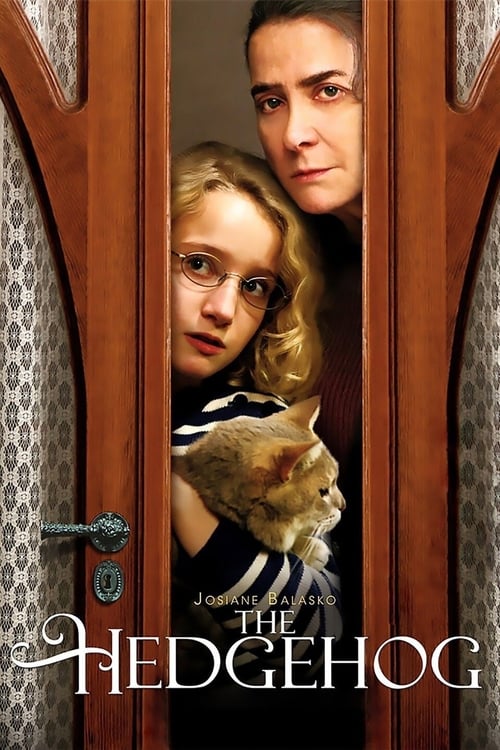
Renée Michel is a middle-aged concierge in a Parisian apartment building who hides her intelligence and love for literature behind a facade of a simple, unremarkable life. Her character represents the theme of hidden depths, as she navigates her loneliness and the societal expectations placed upon her. Throughout the film, Renée's internal struggles and her desire for connection drive her to form unexpected relationships, particularly with the young girl Paloma and the wealthy tenant Kakuro.
How does Paloma's character evolve throughout the film?
Paloma is a precocious twelve-year-old girl who feels disillusioned with the world around her, particularly her affluent family. She plans to end her life on her thirteenth birthday, believing that life is meaningless. However, as she observes Renée and the interactions within the apartment building, she begins to see the beauty in life and the complexity of human relationships. Her character evolves from a cynical child to someone who appreciates the nuances of life, ultimately finding hope and purpose.
What role does Kakuro Ozu play in the development of both Renée and Paloma?
Kakuro Ozu is a new tenant in the apartment building who becomes a pivotal figure in both Renée's and Paloma's lives. He recognizes Renée's intelligence and passion for art and literature, encouraging her to embrace her true self. His presence challenges Renée to step out of her comfort zone and confront her loneliness. For Paloma, Kakuro serves as a mentor figure, helping her to see the value in life and the importance of human connections, ultimately influencing her decision to reconsider her plans.
What is the relationship between Renée and Paloma, and how does it impact the story?
The relationship between Renée and Paloma is central to the narrative, as it highlights the theme of unexpected friendships. Initially, Paloma views Renée as just another adult, but as she discovers Renée's depth and intellect, they form a bond that transcends their age difference. This relationship provides both characters with a sense of belonging and understanding, allowing them to confront their respective struggles. Their connection ultimately leads to personal growth for both, as they learn to appreciate life and the beauty of human connection.
How does the setting of the Parisian apartment building influence the characters' lives?
The Parisian apartment building serves as a microcosm of society, where various characters intersect, each with their own stories and struggles. The building's opulence contrasts with Renée's humble position as a concierge, emphasizing themes of class and isolation. The setting allows for intimate interactions among the residents, particularly between Renée, Paloma, and Kakuro. It becomes a backdrop for their personal transformations, as the characters navigate their relationships and confront their inner lives within the confines of this shared space.
Is this family friendly?
"The Hedgehog," a film directed by Mona Achache, is generally considered suitable for older children and adults, but it does contain some themes and scenes that may be sensitive for younger viewers or those who are particularly sensitive. Here are some potentially objectionable or upsetting aspects:
-
Themes of Loneliness and Isolation: The film explores deep emotional themes, including loneliness and the struggles of feeling disconnected from others, which may be heavy for younger audiences to fully grasp.
-
Death and Grief: There are references to death and the impact it has on the characters, particularly concerning the elderly and the loss of loved ones, which could be upsetting for sensitive viewers.
-
Social Class and Economic Struggles: The film touches on issues of social class and economic hardship, which may be difficult for some children to understand or relate to.
-
Emotional Turmoil: Characters experience significant emotional struggles, including sadness and existential contemplation, which may be intense for younger viewers.
-
Mature Conversations: There are discussions about life, death, and the meaning of existence that may not be appropriate for younger children.
While the film is rich in character development and emotional depth, parents may want to consider these elements when deciding if it is suitable for their children.







