



Popular
What role does the character of Inspector Enzo Avolfi play in the investigation?
Who is the main antagonist in Giallo and what motivates his actions?
How does Celine's character contribute to the tension of the story?
What is the significance of the visual style and color palette used in Giallo?
How does the relationship between Inspector Avolfi and Celine evolve throughout the film?
Should I watch it?
Ask Your Own Question

What is the plot?
Sorry, we aren't able to watch and write up a full detailed plot yet. Check back in a few days.



What is the ending?
In the ending of "Giallo," the main character, Detective Enzo, confronts the killer, revealing the truth behind the murders. The film culminates in a tense showdown where Enzo fights to save the kidnapped woman, Celine. Ultimately, Enzo manages to defeat the killer, but not without significant personal cost. The film concludes with a sense of resolution, as Enzo reflects on the events that transpired.
Now, let's delve into the ending in a more detailed narrative fashion.
As the climax of "Giallo" unfolds, the scene shifts to a dimly lit warehouse where Detective Enzo is on the hunt for the elusive killer. The atmosphere is thick with tension, shadows dancing across the walls as Enzo navigates through the maze of crates and debris. His heart races, fueled by a mix of determination and desperation, as he knows that Celine's life hangs in the balance.
Enzo's internal struggle is palpable; he is driven not only by his duty as a detective but also by a personal connection to Celine, who has been kidnapped by the sadistic murderer. The stakes are high, and with each step, he recalls the gruesome details of the case that have haunted him. The sound of his footsteps echoes ominously, heightening the suspense.
Suddenly, Enzo hears a muffled cry. His instincts kick in, and he rushes toward the sound, pushing through a heavy door. Inside, he finds Celine bound and gagged, her eyes wide with fear. The sight ignites a fierce protective instinct within him. He quickly works to free her, his hands trembling with urgency as he removes the restraints.
Just as he frees her, the killer appears, a menacing figure cloaked in darkness. The confrontation is immediate and brutal. Enzo and the killer engage in a fierce struggle, each blow exchanged filled with raw emotion and desperation. Enzo's determination to save Celine fuels his strength, but the killer is relentless, embodying the chaos and horror that has plagued the city.
As the fight escalates, Enzo's resolve is tested. He recalls the faces of the victims, the pain of their families, and the weight of his own failures. In a moment of clarity, he channels all his energy into a final, decisive blow. With a surge of adrenaline, he overpowers the killer, delivering a fatal strike that ends the reign of terror.
Breathing heavily, Enzo turns to Celine, who is shaken but safe. Their eyes meet, and in that moment, a silent understanding passes between them. Enzo's relief is palpable, but it is tinged with sorrow for the lives lost and the darkness he has faced. He helps Celine to her feet, and they share a brief moment of connection, a flicker of hope amidst the horror.
As they exit the warehouse, the weight of the ordeal hangs heavily on Enzo. He reflects on the fragility of life and the darkness that can lurk within humanity. The film closes with Enzo standing outside, the dawn breaking on the horizon, symbolizing a new beginning. However, the scars of the past remain, and the emotional toll of the events lingers in his heart.
In the end, Enzo emerges as a changed man, having faced his demons and fought for justice, but the journey has left him marked. Celine, though traumatized, is alive, and their shared experience has forged a bond that will linger long after the horrors of the night. The film concludes with a sense of resolution, yet it leaves the audience pondering the complexities of good and evil, and the shadows that can dwell within us all.
Is there a post-credit scene?
The movie "Giallo," produced in 2009, does not have a post-credit scene. The film concludes without any additional scenes or content after the credits roll. The narrative wraps up with the resolution of the main plot, focusing on the characters' fates and the aftermath of the events that transpired throughout the film. The absence of a post-credit scene allows the audience to reflect on the intense and suspenseful journey they have just experienced, leaving them with a sense of closure regarding the story.
What role does the character of Inspector Enzo Avolfi play in the investigation?
Inspector Enzo Avolfi is a dedicated and determined police officer who becomes deeply involved in the investigation of the Yellow Killer. His personal connection to the case intensifies his commitment, especially when he discovers that his own love interest, Celine, has been kidnapped. Avolfi's emotional turmoil and desperation to save her propel him to confront the killer, showcasing his bravery and vulnerability.
Who is the main antagonist in Giallo and what motivates his actions?
The main antagonist in Giallo is a serial killer known as the Yellow Killer. His motivations stem from a deep-seated psychological disturbance, leading him to abduct and murder women. He is characterized by his sadistic tendencies and a desire for control, which drives him to commit heinous acts.
How does Celine's character contribute to the tension of the story?
Celine, portrayed as a beautiful and vibrant woman, becomes the target of the Yellow Killer, which heightens the film's tension. Her abduction creates a sense of urgency and fear, as her fate hangs in the balance. Throughout her captivity, Celine exhibits resilience and resourcefulness, which adds depth to her character and evokes sympathy from the audience, making her struggle against the killer more poignant.
What is the significance of the visual style and color palette used in Giallo?
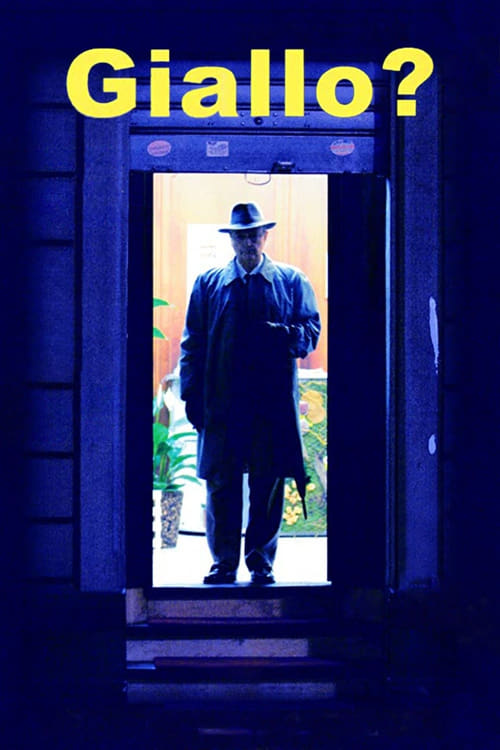
The visual style and color palette of Giallo are significant as they pay homage to classic giallo films. The use of stark contrasts, vibrant colors, and stylized cinematography creates a sense of unease and enhances the horror elements. The aesthetic choices reflect the psychological tension and emotional states of the characters, particularly during moments of violence and suspense.
How does the relationship between Inspector Avolfi and Celine evolve throughout the film?
The relationship between Inspector Avolfi and Celine evolves from a romantic interest to a desperate fight for survival. Initially, Avolfi is portrayed as a protective figure, but as the story unfolds and Celine is kidnapped, their bond deepens through shared vulnerability. Avolfi's determination to rescue her showcases his love and commitment, while Celine's strength in the face of danger reveals her character's depth, ultimately intertwining their fates.
Is this family friendly?
"Giallo," produced in 2009, is not considered family-friendly due to its intense themes and graphic content. Here are some potentially objectionable or upsetting aspects that may affect children or sensitive viewers:
-
Violence and Gore: The film contains several scenes of brutal violence, including graphic depictions of murder and bloodshed, which can be disturbing.
-
Sexual Content: There are instances of sexual violence and suggestive themes that may be inappropriate for younger audiences.
-
Psychological Tension: The film explores dark psychological themes, including fear, obsession, and the mind of a killer, which can be unsettling.
-
Murder Mysteries: The plot revolves around a serial killer, and the investigation into the murders can evoke feelings of dread and anxiety.
-
Emotional Distress: Characters experience significant emotional turmoil, including fear, desperation, and trauma, which may be distressing for some viewers.
Overall, the film's mature themes and graphic content make it unsuitable for children and potentially upsetting for sensitive individuals.







