










Popular
What motivates Rita Hayworth to pursue her dreams in the film?
How does Rita's relationship with her family influence her choices throughout the film?
What challenges does Rita face in her career as a dancer?
How does Rita's relationship with her mentor shape her journey?
What role does the theme of dreams play in Rita's character arc?
Should I watch it?
Ask Your Own Question

What is the plot?
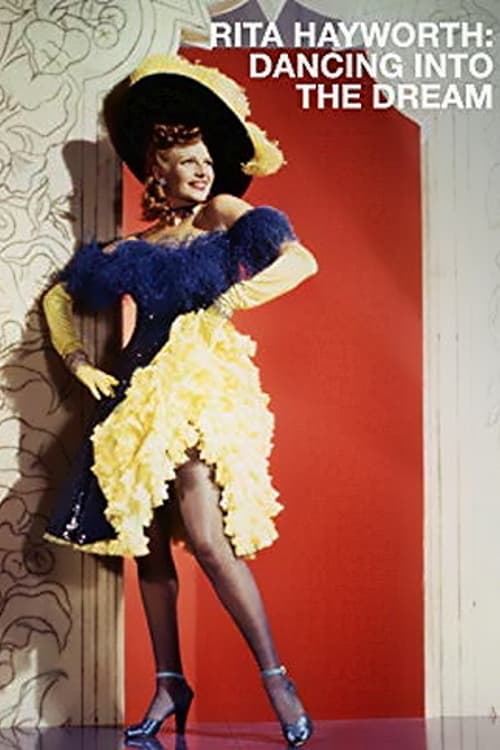
Rita Hayworth: Dancing Into the Dream is a one-hour documentary portrait of Rita Hayworth's life, not a fictional drama with a plotted chain of deaths, mysteries, or a final twist ending. The film focuses on her rise as a dazzling Hollywood star and the tragic private life that shadows that public image, so there is no scene-by-scene spoiler in the usual sense.
It opens by presenting Rita Hayworth as one of the great beauties and performers of Hollywood's golden era, then traces the contrast between the glamorous screen persona and the difficult reality behind it. The documentary's structure is archival and reflective: instead of following a single linear story with invented confrontations, it examines Hayworth's career and personal struggles through commentary from people who worked with her and through material that emphasizes the darker side of her life. One description specifically notes that collaborators from her film career are interviewed and that the film portrays the "dark side" of her life.
Because the documentary is biographical, the most important "revelations" are historical rather than dramatic. It shows that the woman known to audiences as Rita Hayworth is Margarita Carmen Cansino, and it frames her as a performer whose public image is built on dance, beauty, and stardom while her private life is marked by sadness and hardship. The film's emotional arc is therefore one of ascent and disillusionment: the dream of Hollywood brilliance is continually undercut by the suffering that fame cannot erase.
There are no murders, no on-screen killings, and no death caused by any character within the film's documentary narrative. The only death that matters to the story is Rita Hayworth's own life story in retrospect, as the documentary looks back on a career that ends with her passing in 1987, long before the film's 1990 release. The closing effect is elegiac rather than suspenseful: the film leaves the viewer with an image of a legendary star whose beauty and talent made her famous, even as the documentary insists on the sadness that shaped her final years.
In short, the film begins as a celebration of Rita Hayworth's stardom and ends as a sober remembrance of the cost of that fame.







What is the ending?
In the ending of "Rita Hayworth: Dancing Into the Dream," the protagonist, Rita, comes to terms with her past and the impact of her dreams on her life. She embraces her identity and the choices she has made, leading to a sense of closure and acceptance. The film concludes with a poignant moment of reflection, as Rita finds peace within herself and her journey.
As the final act unfolds, the scene opens with Rita standing alone on a dimly lit stage, the remnants of her past swirling around her like shadows. The audience is absent, but the echoes of her dreams and aspirations resonate in the silence. Rita's expression is a mixture of nostalgia and determination; she is ready to confront the memories that have haunted her.
In the next scene, Rita is transported back to her childhood home, where she encounters her younger self. This moment is filled with emotional weight as she watches her younger self dance with unrestrained joy, embodying the innocence and hope she once had. The juxtaposition of her youthful exuberance against her current struggles highlights the internal conflict she has faced throughout her life. Rita's heart swells with a bittersweet longing, and she realizes that despite the hardships, those dreams were a vital part of her journey.
Transitioning back to the present, Rita stands in front of a mirror, her reflection revealing the scars of her experiences. She takes a deep breath, her eyes glistening with unshed tears, and begins to dance. This dance is not just a performance; it is a cathartic release of all the pain, joy, and dreams she has carried. Each movement is infused with emotion, as she channels her past into the present, reclaiming her identity as a dancer and a woman.
As the dance concludes, Rita collapses to the floor, exhausted but liberated. In this moment of vulnerability, she feels a profound sense of acceptance wash over her. The camera lingers on her face, capturing the transformation from despair to peace. She smiles softly, a reflection of the strength she has found within herself.
The final scenes shift to Rita's relationships with the other main characters. Her connection with her mentor, who has been a guiding force throughout her journey, deepens as they share a moment of understanding. He acknowledges her growth and the choices she has made, offering her a sense of validation. Rita's relationship with her love interest also reaches a resolution; they share a heartfelt conversation that acknowledges their struggles and the love that has endured despite the challenges. This moment signifies a new beginning for both of them, as they choose to support each other moving forward.
The film closes with Rita stepping out into the sunlight, a symbol of hope and renewal. She walks away from the stage, leaving behind the shadows of her past, ready to embrace the future with open arms. The final shot captures her silhouette against the bright sky, embodying the essence of resilience and the power of dreams.
In summary, the ending of "Rita Hayworth: Dancing Into the Dream" encapsulates Rita's journey of self-discovery, acceptance, and the importance of embracing one's identity. Each character finds their own resolution, and the film concludes on a note of hope, emphasizing the transformative power of dreams and the strength found in vulnerability.
Is there a post-credit scene?
The movie "Rita Hayworth: Dancing Into the Dream," produced in 1990, does not feature a post-credit scene. The film concludes with a poignant reflection on Rita Hayworth's life and career, focusing on her struggles and triumphs in the world of dance and film. The ending encapsulates her legacy, leaving the audience with a sense of closure regarding her journey without any additional scenes after the credits.
What motivates Rita Hayworth to pursue her dreams in the film?
Rita Hayworth is driven by a deep desire to escape her troubled past and find fulfillment in her passion for dance and performance. Her internal struggle is highlighted by her longing for acceptance and recognition in a world that often overlooks her talents.
How does Rita's relationship with her family influence her choices throughout the film?
Rita's relationship with her family is complex; she grapples with feelings of loyalty and the weight of their expectations. Her family's struggles and sacrifices serve as a backdrop to her ambitions, pushing her to succeed while also creating emotional turmoil as she seeks to break free from their influence.
What challenges does Rita face in her career as a dancer?
Rita faces numerous challenges, including fierce competition, the pressures of the entertainment industry, and personal insecurities. These obstacles test her resilience and determination, forcing her to confront her fears and ultimately grow as both an artist and an individual.
How does Rita's relationship with her mentor shape her journey?
Rita's mentor plays a crucial role in her development, providing guidance and support while also challenging her to push her limits. This relationship is marked by moments of tension and growth, as Rita learns to trust her instincts and embrace her unique style.
What role does the theme of dreams play in Rita's character arc?
Dreams are central to Rita's character arc, representing both her aspirations and the obstacles she must overcome. As she navigates the highs and lows of her journey, her dreams evolve, reflecting her growth and the sacrifices she makes in pursuit of her true self.
Is this family friendly?
"Rita Hayworth: Dancing Into the Dream" is generally considered family-friendly, but there are a few aspects that might be potentially objectionable or upsetting for children or sensitive viewers.
-
Themes of Loss and Heartbreak: The film explores the emotional struggles of its characters, including themes of unrequited love and personal sacrifice, which may be heavy for younger audiences.
-
Depictions of Struggle: There are scenes that portray the challenges and hardships faced by the characters in the entertainment industry, which may evoke feelings of sadness or discomfort.
-
Romantic Tension: The film includes elements of romantic relationships that may involve jealousy or emotional conflict, which could be confusing for younger viewers.
-
Historical Context: Some scenes may reference the darker aspects of Hollywood's past, including the pressures faced by women in the industry, which could be unsettling for some.
Overall, while the film is not overtly inappropriate, its emotional depth and mature themes may require parental guidance for younger audiences.