

Popular
What is the significance of the cow in the story?
How does the witch's curse affect the main character?
What role does the village play in the protagonist's journey?
How does the relationship between the protagonist and the witch evolve throughout the film?
What are the key moments that lead to the protagonist's realization about the witch?
Should I watch it?
Ask Your Own Question

What is the plot?
Sorry, we aren't able to watch and write up a full detailed plot yet. Check back in a few days.

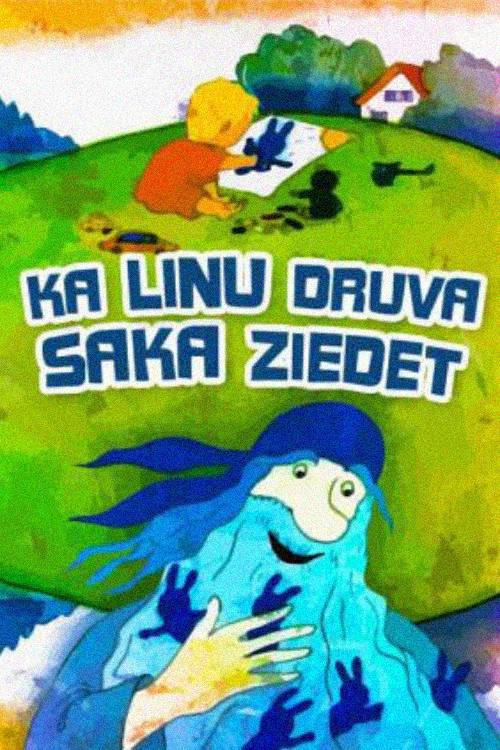
What is the ending?
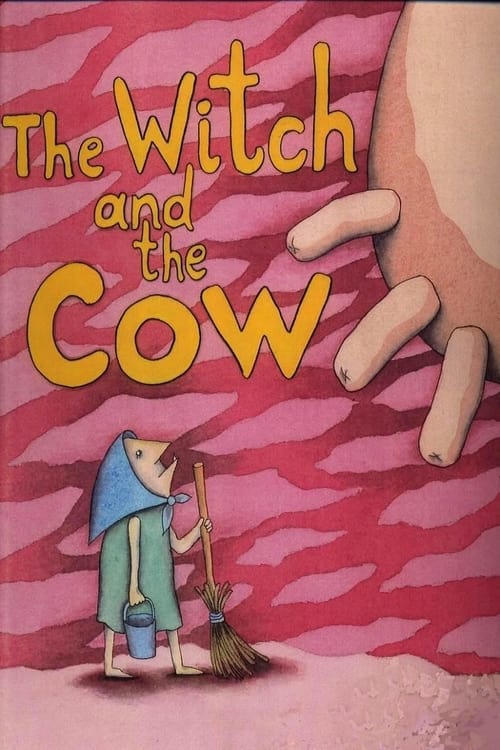
In the ending of "The Witch And The Cow," the main characters confront the consequences of their actions. The witch, having been misunderstood and feared, ultimately finds a resolution to her conflict with the villagers. The cow, a symbol of innocence, plays a crucial role in the resolution. The villagers come to terms with their fears, and the witch is accepted, leading to a newfound harmony in the community.
As the film approaches its climax, the tension between the villagers and the witch escalates. The villagers, driven by fear and superstition, gather torches and pitchforks, ready to confront the witch in her secluded home. The atmosphere is thick with dread, and the night is dark, illuminated only by the flickering flames of their torches. The witch, portrayed with a mix of vulnerability and strength, senses the impending danger. She stands in her dimly lit cottage, surrounded by her potions and herbs, her face a mask of determination and sorrow.
Scene by scene, the villagers march toward the witch's dwelling, their faces twisted with anger and fear. They believe she has cursed their livestock and brought misfortune upon them. As they reach her home, they shout accusations, their voices echoing through the night. The witch steps outside, her presence commanding yet filled with a deep sadness. She tries to reason with them, explaining that she only wishes to live in peace and that their fears are unfounded.
In a pivotal moment, the cow, which has been a silent witness to the unfolding drama, steps forward. The villagers, initially startled, begin to see the cow as a symbol of the witch's connection to nature and innocence. The cow's gentle demeanor contrasts sharply with the villagers' aggression. The witch kneels beside the cow, her hand resting on its back, and she speaks softly, revealing her true intentions and the love she has for all creatures.
As the villagers listen, their anger begins to wane. They start to question their own beliefs and the stories they have been told about the witch. The tension in the air shifts, and a sense of understanding begins to blossom. One by one, the villagers lower their weapons, their expressions softening as they realize the witch is not their enemy.
In the final moments, the witch extends her hand toward the villagers, offering a truce. The cow stands beside her, a symbol of peace. The villagers, now filled with a mix of relief and shame for their previous actions, approach the witch cautiously. They apologize for their fear-driven behavior, and the witch, with tears in her eyes, forgives them. This act of forgiveness marks a turning point for both the witch and the villagers.
The film concludes with a scene of the witch and the villagers working together, tending to the land and caring for the animals. The once-divided community begins to heal, and the witch is no longer seen as an outcast but as a valued member of the community. The cow, having played a crucial role in bridging the gap between the witch and the villagers, stands proudly in the background, embodying the harmony that has been restored.
In the end, the witch finds acceptance, the villagers learn the importance of understanding and compassion, and the cow remains a symbol of innocence and unity. Each character's fate reflects the overarching theme of reconciliation and the power of empathy in overcoming fear and prejudice.
Is there a post-credit scene?
The movie "The Witch And The Cow," produced in 1991, does not contain a post-credit scene. The film concludes its narrative without any additional scenes or content after the credits roll. The story wraps up with a sense of resolution, focusing on the characters' journeys and the themes explored throughout the film.
What is the significance of the cow in the story?
The cow in 'The Witch And The Cow' serves as a central symbol of both innocence and the connection between the human and magical realms. It is not just a source of livelihood for the protagonist but also becomes a pivotal character that influences the events surrounding the witch's curse.
How does the witch's curse affect the main character?
The witch's curse deeply impacts the main character, leading to a series of misfortunes that challenge their resilience and moral compass. The protagonist experiences emotional turmoil as they grapple with the consequences of the curse, which tests their relationships and ultimately drives them to seek a resolution.
What role does the village play in the protagonist's journey?
The village acts as both a setting and a character in its own right, reflecting the fears and superstitions of its inhabitants. The protagonist's interactions with the villagers reveal their isolation and the societal pressures they face, which heighten the stakes of their quest to break the witch's curse.
How does the relationship between the protagonist and the witch evolve throughout the film?
Initially, the protagonist views the witch as a malevolent force, but as the story unfolds, their relationship becomes more complex. The protagonist learns about the witch's backstory and motivations, leading to moments of empathy and understanding that challenge their preconceived notions.
What are the key moments that lead to the protagonist's realization about the witch?
Key moments include encounters where the protagonist witnesses the witch's vulnerability and the injustices she has faced. These experiences culminate in a pivotal scene where the protagonist confronts the witch, leading to a profound realization about the nature of power, fear, and redemption.
Is this family friendly?
"The Witch And The Cow," produced in 1991, is a fantasy film that contains elements that may not be suitable for very young children or sensitive viewers. Here are some potentially objectionable or upsetting aspects:
-
Dark Themes: The film explores themes of witchcraft and magic, which may be unsettling for some viewers, particularly younger children who might find the concept of witches frightening.
-
Supernatural Elements: There are scenes involving spells and curses that could evoke fear or anxiety, especially for those who are sensitive to supernatural themes.
-
Conflict and Tension: The narrative includes moments of conflict between characters, which may lead to emotional distress. The portrayal of fear and mistrust among characters can be intense.
-
Visual Imagery: Some scenes may feature dark or eerie visuals that could be disturbing, such as transformations or magical confrontations.
-
Emotional Struggles: Characters experience significant emotional turmoil, including feelings of betrayal, loneliness, and despair, which might resonate deeply with sensitive viewers.
Overall, while the film has a fantastical premise, its darker elements and emotional depth may require parental guidance for younger audiences.







