

Popular
What role did George Marshall play in World War II?
How did George Marshall's leadership style influence his decisions during the war?
What was the significance of the Marshall Plan in the post-war era?
How did George Marshall's relationships with other military leaders affect the war effort?
What personal challenges did George Marshall face during his career?
Should I watch it?
Ask Your Own Question

What is the plot?
Sorry, we aren't able to watch and write up a full detailed plot yet. Check back in a few days.
More Movies Like This
Browse All Movies →






What is the ending?
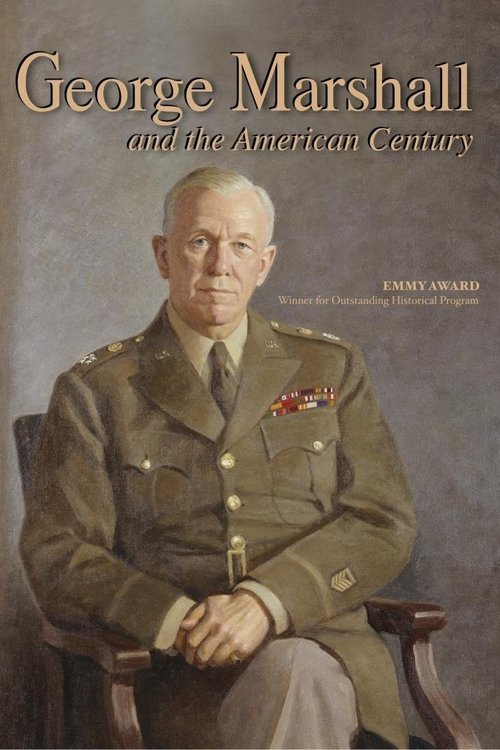
In the ending of "George Marshall and the American Century," the film culminates in a reflection on General George Marshall's legacy and the impact of his decisions during and after World War II. The narrative emphasizes his role in the Marshall Plan, which aimed to rebuild Europe and prevent the spread of communism. The film concludes with a sense of reverence for Marshall's contributions, showcasing his character as a dedicated leader who prioritized peace and stability over personal ambition.
As the film approaches its conclusion, the scenes unfold with a poignant sense of history and reflection.
Scene 1: The camera pans over a war-torn Europe, the remnants of destruction visible in the rubble of cities. The voiceover begins, recounting the devastation left in the wake of World War II. The emotional weight of the conflict hangs heavy in the air, setting the stage for the significance of the Marshall Plan.
Scene 2: Transitioning to a meeting room filled with key political figures, the atmosphere is tense yet hopeful. George Marshall stands at the head of the table, his demeanor calm and resolute. He articulates his vision for the Marshall Plan, emphasizing the need for economic aid to rebuild Europe. His passion for helping others is palpable, and the audience can sense his deep commitment to fostering peace and stability.
Scene 3: As the plan is discussed, the camera captures the varied reactions of the attendees. Some express skepticism, fearing the financial implications and the potential for political backlash. Marshall listens intently, his expression a mix of determination and understanding. He knows the stakes are high, and he is driven by a sense of duty to prevent further conflict.
Scene 4: The narrative shifts to the implementation of the Marshall Plan. Images of bustling factories and rebuilding efforts flash across the screen, showcasing the revitalization of European cities. The emotional tone shifts to one of optimism, as communities begin to thrive again. Marshall's vision is coming to fruition, and the audience can feel the hope that is being restored.
Scene 5: The film then transitions to a more personal moment, focusing on Marshall's relationships with his family and colleagues. In a quiet scene, he shares a heartfelt conversation with his wife, reflecting on the sacrifices they have made. There is a sense of vulnerability in Marshall as he grapples with the weight of his responsibilities, yet he remains steadfast in his belief that his actions will lead to a better future.
Scene 6: The final scenes depict Marshall receiving accolades and recognition for his contributions. As he stands before a crowd, the applause is thunderous, but there is a hint of humility in his demeanor. He acknowledges the collective effort of those who worked alongside him, emphasizing that the success of the Marshall Plan was a shared achievement.
Scene 7: The film closes with a montage of images depicting the lasting impact of Marshall's work. The screen fills with scenes of thriving communities, children playing, and families reunited. The voiceover reflects on Marshall's legacy, underscoring the importance of his vision for peace and cooperation in a world still healing from the scars of war.
In the end, George Marshall is portrayed as a figure of integrity and compassion, whose dedication to rebuilding Europe not only shaped the post-war landscape but also left an indelible mark on history. The film concludes with a sense of hope, reminding viewers of the power of leadership grounded in empathy and a commitment to the greater good.
Is there a post-credit scene?
The movie "George Marshall and the American Century," produced in 1993, does not contain a post-credit scene. The film concludes with a reflective summary of George Marshall's contributions to American history, particularly his role in World War II and the Marshall Plan, which aimed to rebuild Europe after the war. The ending emphasizes his legacy and the impact of his leadership on both the United States and the world, leaving viewers with a sense of closure regarding his life and achievements.
What role did George Marshall play in World War II?
George Marshall served as the Chief of Staff of the United States Army during World War II, overseeing military operations and strategy, which included the planning of major campaigns such as D-Day.
How did George Marshall's leadership style influence his decisions during the war?
Marshall's leadership style was characterized by his calm demeanor, strategic foresight, and ability to inspire confidence in his subordinates, which allowed him to make critical decisions under pressure, such as the allocation of resources and troop deployments.
What was the significance of the Marshall Plan in the post-war era?
The Marshall Plan was significant as it provided economic aid to help rebuild European economies after the devastation of World War II, reflecting Marshall's belief in the importance of economic stability for political peace.
How did George Marshall's relationships with other military leaders affect the war effort?
Marshall's relationships with other military leaders, such as Dwight D. Eisenhower and Douglas MacArthur, were pivotal; he often acted as a mediator and strategist, ensuring cooperation and coordination among the Allied forces.
What personal challenges did George Marshall face during his career?
Marshall faced personal challenges including the strain of leadership during wartime, the loss of close friends and colleagues, and the pressure of making decisions that would impact countless lives, which often weighed heavily on him emotionally.
Is this family friendly?
"George Marshall and the American Century" is a documentary that explores the life and legacy of General George C. Marshall, focusing on his contributions during World War II and the post-war era. As a historical documentary, it primarily features archival footage, interviews, and narration rather than dramatized scenes.
While the film is generally family-friendly, there are a few aspects that might be considered potentially objectionable or upsetting for children or sensitive viewers:
-
War Footage: The documentary includes historical footage from World War II, which may depict the harsh realities of war, including destruction and suffering.
-
Discussion of Conflict: The film addresses themes of military strategy, sacrifice, and the impact of war on soldiers and civilians, which may be heavy topics for younger audiences.
-
Emotional Testimonies: Interviews with veterans and historians may include emotional reflections on loss, trauma, and the consequences of war, which could be distressing for some viewers.
Overall, while the film is educational and informative, parents may want to consider these elements when deciding if it is suitable for younger viewers.