























Popular
What are the main motivations of the character Ken the Eagle in Gatchaman OVA?
How does the character Jun the Swan evolve throughout the Gatchaman OVA?
What is the significance of the character Joe the Condor's backstory in Gatchaman OVA?
What role does the character Ryu the Owl play in the dynamics of the Gatchaman team?
How does the character of Dr. Nambu influence the Gatchaman team in the OVA?
Should I watch it?
Ask Your Own Question

What is the plot?
Sorry, we aren't able to watch and write up a full detailed plot yet. Check back in a few days.
More Movies Like This
Browse All Movies →


What is the ending?
In the ending of the Gatchaman OVA, the team faces off against the main antagonist, who has unleashed a powerful weapon. After a fierce battle, the Gatchaman team manages to defeat the enemy, but at a great cost. The team members reflect on their experiences and the sacrifices made, ultimately reaffirming their commitment to protect the world. The film concludes with a sense of hope and unity among the team.
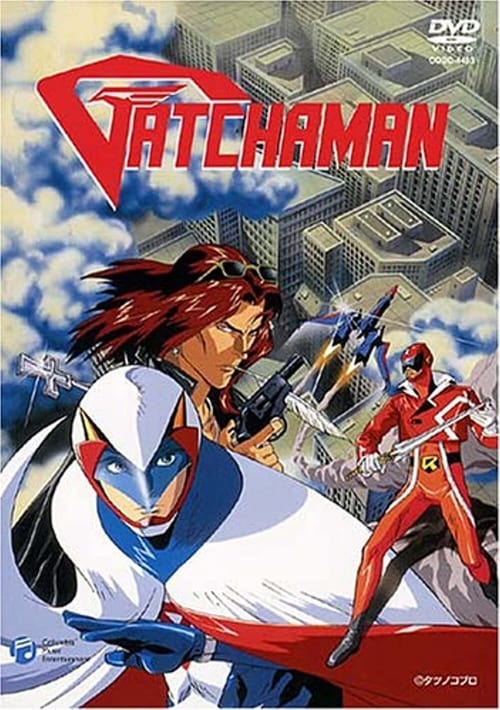
As the climax of the Gatchaman OVA unfolds, the scene shifts to a desolate landscape, where the Gatchaman team stands united against the looming threat of the antagonist, known as Berg Katse. The atmosphere is tense, filled with the weight of impending conflict. The team, consisting of Ken, Jun, Joe, Ryu, and the others, prepares for the final confrontation, their expressions a mix of determination and anxiety. Each member is acutely aware of the stakes involved, not just for themselves but for the world they are sworn to protect.
The battle begins with an explosive confrontation. The Gatchaman team launches their attacks, utilizing their unique abilities and weapons. Ken, as the leader, rallies his teammates, urging them to fight with all their strength. The visuals are striking, with vibrant colors contrasting against the dark backdrop of destruction. The sound of clashing forces fills the air, punctuated by the cries of the team as they push themselves to their limits.
As the fight intensifies, Berg Katse reveals a devastating weapon capable of mass destruction. The Gatchaman team realizes that they must act quickly to neutralize this threat. In a moment of desperation, Joe, known for his reckless bravery, makes a bold move to distract the enemy, allowing the others to regroup and strategize. His sacrifice is palpable, and the emotional weight of his decision hangs heavily in the air. The camera captures the moment as he charges forward, a mix of fear and resolve etched on his face.
With Joe's distraction, the remaining Gatchaman members launch a coordinated attack. Jun uses her agility and intelligence to outmaneuver the enemy, while Ryu provides support with his strength. The teamwork displayed is a testament to their bond, forged through countless battles. As they fight, flashbacks of their past experiences together flicker in their minds, reminding them of the friendships and sacrifices that have brought them to this moment.
In a climactic moment, Ken channels all his energy into a final strike against Berg Katse. The scene is filled with dramatic tension as he unleashes a powerful attack, the energy radiating from him like a beacon of hope. The impact is monumental, and the screen is filled with blinding light as the weapon is destroyed, signaling the defeat of the antagonist. However, the victory comes at a cost; the explosion sends shockwaves through the area, and the team is thrown back, struggling to regain their footing.
As the dust settles, the Gatchaman team gathers, visibly shaken but alive. They look around at the devastation, reflecting on the battle they have just endured. Joe, having survived his reckless act, joins them, albeit with a newfound understanding of the weight of their responsibilities. The emotional toll of the fight is evident on each character's face, as they process their experiences and the losses they have faced.
In the aftermath, the team stands together, united in their resolve to continue protecting the world. They share a moment of silence, honoring the sacrifices made along the way. Ken, looking at his teammates, expresses gratitude for their unwavering support and camaraderie. The camera pans out, capturing the team as they walk away from the battlefield, a symbol of hope and resilience.
The film concludes with a sense of renewal. The Gatchaman team, though scarred by their experiences, emerges stronger and more determined than ever. They reaffirm their commitment to each other and to their mission, ready to face whatever challenges lie ahead. The final scene fades to black, leaving the audience with a lingering sense of hope and the enduring spirit of the Gatchaman.
Is there a post-credit scene?
The Gatchaman OVA produced in 1994 does not contain a post-credit scene. The film concludes without any additional scenes or content after the credits roll. The story wraps up with the resolution of the main conflict, focusing on the characters' emotional states and their journey throughout the film. The absence of a post-credit scene allows the audience to reflect on the themes of teamwork, sacrifice, and the enduring fight against evil that are central to the narrative.
What are the main motivations of the character Ken the Eagle in Gatchaman OVA?
Ken the Eagle, as the leader of the Gatchaman team, is driven by a strong sense of justice and responsibility. He feels a deep obligation to protect humanity from the threats posed by the evil organization Galactor. Throughout the OVA, Ken grapples with the weight of leadership, often feeling the pressure to make difficult decisions that could impact his team and the world. His emotional state fluctuates between determination and doubt, especially when faced with the consequences of their battles.
How does the character Jun the Swan evolve throughout the Gatchaman OVA?
Jun the Swan begins as a strong-willed and independent member of the Gatchaman team, often showcasing her skills in combat and strategy. However, as the OVA progresses, her character reveals deeper layers of vulnerability and emotional complexity. She struggles with her feelings of inadequacy and the desire to prove herself, particularly in the face of Ken's leadership. This internal conflict leads her to confront her fears and ultimately embrace her role within the team, showcasing her growth from a self-doubting individual to a confident and integral member of the Gatchaman.
What is the significance of the character Joe the Condor's backstory in Gatchaman OVA?
Joe the Condor's backstory is pivotal to understanding his character's motivations and emotional struggles. He is portrayed as a lone wolf, haunted by his past and the loss of his family due to Galactor's actions. This trauma fuels his desire for revenge, often leading him to take reckless risks during missions. His internal conflict between seeking vengeance and working as part of the Gatchaman team creates tension, as he grapples with the consequences of his actions and the impact they have on his teammates. Joe's journey reflects themes of redemption and the search for belonging.
What role does the character Ryu the Owl play in the dynamics of the Gatchaman team?
Ryu the Owl serves as the team's strategist and voice of reason, often mediating conflicts among the more impulsive members like Joe and Ken. His calm demeanor and analytical mind provide a stabilizing force within the Gatchaman team. Ryu's loyalty to his friends is unwavering, and he often puts their needs above his own, showcasing his selflessness. Throughout the OVA, Ryu's character highlights the importance of teamwork and communication, as he encourages his teammates to work together and trust one another, especially during high-stakes battles against Galactor.
How does the character of Dr. Nambu influence the Gatchaman team in the OVA?
Dr. Nambu acts as the mentor and guiding figure for the Gatchaman team, providing them with the technology and support they need to combat Galactor. His character embodies wisdom and experience, often offering strategic advice and moral guidance. However, he also carries the burden of the team's safety on his shoulders, which leads to moments of tension as he must make tough decisions that affect the lives of the Gatchaman. Dr. Nambu's relationship with the team is complex; he is both a father figure and a source of pressure, as the team looks to him for direction while also grappling with their own autonomy.
Is this family friendly?
The Gatchaman OVA produced in 1994 is not particularly family-friendly and contains several elements that may be objectionable or upsetting for children or sensitive viewers. Here are some aspects to consider:
-
Violence: The OVA features intense action sequences, including battles between the Gatchaman team and their enemies. There are scenes of combat that may be graphic or intense for younger audiences.
-
Death and Injury: Characters experience significant injuries, and there are moments that depict the consequences of violence, including the death of characters, which can be emotionally distressing.
-
Dark Themes: The narrative explores themes of sacrifice, loss, and the burden of responsibility, which may be heavy for younger viewers to process.
-
Emotional Turmoil: Characters undergo significant emotional struggles, including feelings of despair, betrayal, and conflict, which may be unsettling for sensitive individuals.
-
Mature Situations: There are instances of tension and conflict that may not be suitable for children, including complex interpersonal relationships and moral dilemmas.
Overall, while the animation and action may appeal to some younger viewers, the emotional depth and darker themes present in the Gatchaman OVA may not be appropriate for all audiences.








