







Popular
What motivates Facundo to become a leader among the gauchos?
How does Facundo's relationship with his family influence his actions throughout the film?
What role does the landscape of the Argentine Pampas play in the story?
How does Facundo's character evolve throughout the film?
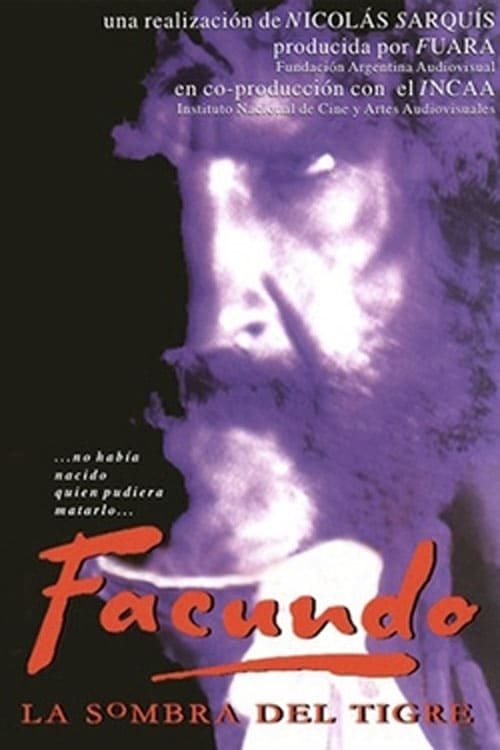
What is the significance of the title 'Facundo, la sombra del tigre'?
Should I watch it?
Ask Your Own Question

What is the plot?
Sorry, we aren't able to watch and write up a full detailed plot yet. Check back in a few days.





What is the ending?
In the ending of "Facundo, la sombra del tigre," Facundo Quiroga faces his ultimate fate as he is betrayed and killed. The film concludes with a reflection on the impact of his life and the legacy he leaves behind, highlighting the tumultuous nature of Argentine history and the personal struggles of its characters.
As the final scenes unfold, we see Facundo, a man driven by his passions and the desire for power, navigating the treacherous political landscape of Argentina. He is increasingly isolated, surrounded by enemies and former allies who have turned against him. The tension builds as he realizes that his ambitions have led him to a point of no return.
In a pivotal scene, Facundo is confronted by his adversaries. The atmosphere is thick with betrayal and tension, as he understands that the very people he once trusted are now plotting against him. The cinematography captures the weight of his despair, with close-ups of his face reflecting a mix of defiance and resignation. He knows that his time is running out, and the emotional turmoil is palpable.
As the confrontation escalates, Facundo is ultimately ambushed. The scene is intense, filled with the sounds of struggle and the chaos of betrayal. Facundo fights valiantly, but he is outnumbered. The camera captures the desperation in his eyes as he realizes the futility of his struggle. In a heart-wrenching moment, he is struck down, and the screen fades to black, leaving the audience with the stark reality of his demise.
In the aftermath of Facundo's death, the film shifts to the reactions of those around him. His loyal followers are devastated, mourning the loss of their leader. The emotional weight of the scene is heavy, as they grapple with the implications of his death for their own futures. The film closes with a somber reflection on the cycle of violence and power struggles that define their lives, leaving viewers to ponder the legacy of Facundo Quiroga and the turbulent history of Argentina.
The fates of the main characters are sealed in this tragic conclusion. Facundo, once a powerful figure, is lost to the tides of betrayal and ambition. His followers are left to navigate a world without their leader, facing an uncertain future. The film ends on a note of reflection, emphasizing the personal and political costs of ambition and conflict in a nation marked by strife.
Is there a post-credit scene?
The movie "Facundo, la sombra del tigre" does not have a post-credit scene. The film concludes its narrative without any additional scenes after the credits roll. The story wraps up with a focus on the life and legacy of Facundo Quiroga, emphasizing the themes of power, conflict, and the impact of his actions on the Argentine landscape. The ending leaves viewers reflecting on the historical significance of Quiroga's life rather than providing any further narrative developments.
What motivates Facundo to become a leader among the gauchos?
Facundo's motivation to become a leader among the gauchos stems from his deep sense of justice and his desire to protect his people from oppression. He is driven by the injustices faced by the rural population and feels a strong responsibility to fight against the corrupt authorities that exploit them.
How does Facundo's relationship with his family influence his actions throughout the film?
Facundo's relationship with his family, particularly with his mother and his wife, plays a crucial role in shaping his character. His mother's teachings instill in him a sense of honor and duty, while his love for his wife fuels his determination to create a better life for them, often leading him to make difficult choices in his quest for freedom.
What role does the landscape of the Argentine Pampas play in the story?
The Argentine Pampas serve as both a backdrop and a character in the film, symbolizing freedom and the untamed spirit of the gauchos. The vast, open spaces reflect Facundo's longing for independence and his connection to the land, while also presenting the challenges and dangers he faces as he navigates conflicts with both the government and rival factions.
How does Facundo's character evolve throughout the film?
Facundo's character evolves from a passionate young man seeking justice to a hardened leader who grapples with the moral complexities of his actions. As he faces betrayal and loss, he becomes more pragmatic and strategic, often struggling with the weight of his decisions and the impact they have on those he loves.
What is the significance of the title 'Facundo, la sombra del tigre'?
The title 'Facundo, la sombra del tigre' signifies Facundo's fierce and untamed spirit, likening him to a tiger that embodies strength and resilience. It reflects his role as a formidable leader who casts a long shadow over his enemies, representing both his power and the fear he instills in those who oppose him.
Is this family friendly?
"Facundo, la sombra del tigre" is a film that delves into the life of the Argentine folk hero Juan Facundo Quiroga, exploring themes of violence, power struggles, and the harsh realities of 19th-century Argentina. While it is a historical drama, there are several aspects that may be considered objectionable or upsetting for children or sensitive viewers:
-
Violence and Conflict: The film depicts various scenes of violence, including battles and confrontations that reflect the turbulent political climate of the time. These scenes may be intense and graphic, showcasing the brutality of the era.
-
Death and Loss: Characters experience significant loss, including the deaths of loved ones. The emotional weight of these moments can be heavy and may be distressing for younger audiences.
-
Themes of Oppression: The film addresses themes of oppression and tyranny, which may be difficult for children to fully understand and process.
-
Emotional Turmoil: Characters often grapple with deep emotional struggles, including betrayal, revenge, and the quest for power, which may be complex and unsettling for younger viewers.
-
Cultural Context: The historical context of the film includes elements of social injustice and conflict that may require additional explanation for younger audiences to grasp fully.
Overall, while the film is rich in historical narrative and character development, its mature themes and depictions of violence may not be suitable for all children or sensitive viewers.







