
































Popular
What motivates Jackson Pollock to pursue abstract expressionism in his art?
How does Lee Krasner influence Jackson Pollock's career and artistic development?
What is the significance of the 'drip painting' technique that Pollock develops?
How does Pollock's relationship with his family impact his life and work?
What role does the art world play in Pollock's rise to fame and subsequent struggles?
Should I watch it?
Ask Your Own Question

What is the plot?
Sorry, we aren't able to watch and write up a full detailed plot yet. Check back in a few days.






What is the ending?
In the ending of the movie "Pollock," Jackson Pollock's life reaches a tragic conclusion as he dies in a car accident. His partner, Lee Krasner, is left to grapple with the aftermath of his death and the legacy of his art.
As the film draws to a close, we see Jackson Pollock struggling with his inner demons and the pressures of fame. He is depicted as a man torn between his artistic genius and his personal turmoil. The final scenes show him drinking heavily, reflecting his ongoing battle with alcoholism. Despite his success, he feels a profound sense of isolation and vulnerability.
In a poignant moment, Lee Krasner, who has been a steadfast supporter of Pollock throughout his career, is shown dealing with the emotional weight of his addiction and the toll it takes on their relationship. She is portrayed as both a nurturing figure and a frustrated partner, trying to balance her own artistic ambitions with the chaos that Pollock brings into their lives.
The film culminates in a tragic car crash that takes Pollock's life. The scene is somber and impactful, emphasizing the fragility of his existence and the destructive nature of his addiction. Lee is left to mourn his loss, reflecting on their life together and the legacy of his groundbreaking work in the art world.
In the aftermath of Pollock's death, Lee is shown continuing her own artistic journey, determined to honor his memory while also carving out her own identity as an artist. The film closes with a sense of unresolved tension, highlighting the complexities of love, art, and the personal struggles that define both Pollock and Krasner.
As the film "Pollock" approaches its conclusion, the narrative unfolds with a series of poignant scenes that encapsulate the tumultuous life of Jackson Pollock and the impact of his choices on those around him.
In the final act, we find Pollock increasingly consumed by his demons. The once vibrant artist, who had achieved significant acclaim, is now depicted in a state of decline. He is often seen in a haze of alcohol, his hands trembling as he struggles to maintain control over his life and his art. The camera captures the stark contrast between the chaotic energy of his paintings and the disarray of his personal life.
Lee Krasner, his partner and fellow artist, is portrayed with a mix of love and frustration. She is deeply invested in Pollock's well-being, often trying to pull him back from the brink. In one scene, she confronts him about his drinking, her voice filled with concern. Pollock, however, is defensive, caught in a cycle of denial and self-destruction. The tension between them is palpable, as Lee's desire to support him clashes with her need to protect herself from his erratic behavior.
As the narrative progresses, we see Pollock's fame begin to weigh heavily on him. He is invited to showcase his work in prestigious galleries, yet the pressure to produce becomes overwhelming. In a moment of vulnerability, he confides in Lee about his fears of inadequacy, revealing the internal conflict that plagues him. This scene is marked by a raw emotional exchange, highlighting the depth of their relationship and the burden of Pollock's genius.
The climax of the film arrives with a tragic turn of events. One evening, after a night of heavy drinking, Pollock gets behind the wheel of his car. The atmosphere is tense, filled with a sense of impending doom. The camera follows him as he drives recklessly, the world outside a blur of lights and shadows. In a heart-wrenching moment, the screen goes dark, and we hear the sound of a crash. The impact is jarring, leaving the audience to grapple with the suddenness of his demise.
In the aftermath of the accident, Lee is shown grappling with her grief. The film captures her solitude as she processes the loss of Pollock. She is seen wandering through their home, surrounded by his artwork, each piece a reminder of their shared life and the love that was intertwined with pain. The emotional weight of his absence is palpable, and the audience witnesses her struggle to find a way forward.
In the final scenes, Lee is depicted as a resilient figure, determined to continue her own artistic journey. She stands in front of a canvas, paintbrush in hand, channeling her grief into her work. The film closes with a sense of hope, as Lee embraces her identity as an artist in her own right, while also honoring Pollock's legacy. The last shot lingers on her face, a mixture of sorrow and strength, encapsulating the complexities of love, loss, and the enduring power of art.
Through these final moments, "Pollock" leaves the audience with a profound understanding of the characters' struggles, the impact of addiction, and the intricate relationship between art and personal turmoil.
Is there a post-credit scene?
The movie "Pollock," produced in 2000, does not have a post-credit scene. The film concludes with a poignant reflection on the life and legacy of the artist Jackson Pollock, focusing on his struggles, triumphs, and the impact of his work. After the credits roll, there are no additional scenes or content that follow. The film ends on a note that encapsulates Pollock's complex character and his contributions to the art world, leaving the audience to ponder his influence and the emotional weight of his journey.
What motivates Jackson Pollock to pursue abstract expressionism in his art?
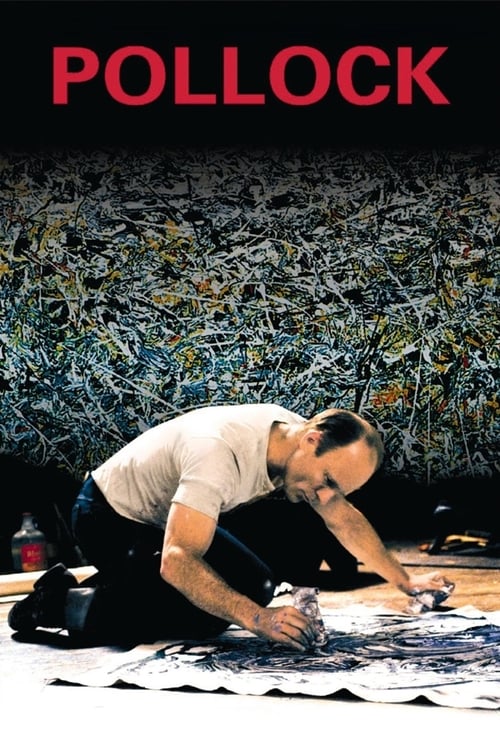
Jackson Pollock is driven by a deep desire to express his inner turmoil and emotions through his art. His struggles with alcoholism and his tumultuous relationship with his wife, Lee Krasner, fuel his need to find a unique voice in the art world. Pollock's journey into abstract expressionism is marked by a quest for authenticity and a break from traditional artistic conventions.
How does Lee Krasner influence Jackson Pollock's career and artistic development?
Lee Krasner plays a crucial role in Jackson Pollock's life, both as a partner and an artist in her own right. She encourages him to explore new techniques and pushes him to embrace his talent. Despite her own struggles for recognition, Krasner's unwavering support and belief in Pollock's potential help him navigate the challenges of fame and personal demons.
What is the significance of the 'drip painting' technique that Pollock develops?
The 'drip painting' technique represents a radical departure from traditional painting methods, allowing Pollock to engage with the canvas in a physical and spontaneous manner. This technique embodies his emotional state and reflects his desire to break free from constraints. The act of dripping paint becomes a form of catharsis for Pollock, symbolizing his internal chaos and creative liberation.
How does Pollock's relationship with his family impact his life and work?
Pollock's relationship with his family, particularly his troubled childhood and his complex relationship with his mother, deeply affects his psyche and artistic expression. His family's expectations and his feelings of inadequacy contribute to his struggles with identity and self-worth, which are often reflected in the intensity and emotion of his artwork.
What role does the art world play in Pollock's rise to fame and subsequent struggles?
The art world serves as both a catalyst for Pollock's success and a source of pressure that exacerbates his personal issues. Initially, he gains recognition and acclaim, which fuels his ambition. However, the expectations and scrutiny from critics and collectors lead to increased anxiety and self-doubt, ultimately contributing to his downward spiral.
Is this family friendly?
The movie "Pollock," produced in 2000, is not considered family-friendly due to several potentially objectionable or upsetting scenes and themes. Here are some aspects that may be concerning for children or sensitive viewers:
-
Substance Abuse: The film depicts the struggles of Jackson Pollock with alcoholism, showcasing scenes of heavy drinking and the impact it has on his life and relationships.
-
Emotional Turmoil: There are intense emotional scenes that explore themes of depression, anxiety, and the pressures of artistic genius, which may be distressing for some viewers.
-
Relationship Struggles: The film portrays the tumultuous relationship between Pollock and his wife, Lee Krasner, including arguments and moments of emotional conflict that may be uncomfortable.
-
Artistic Struggles: The depiction of Pollock's obsessive dedication to his art can be intense, highlighting the darker aspects of the creative process, including frustration and despair.
-
Death: The film touches on themes of mortality and includes scenes that reflect on the consequences of Pollock's lifestyle, which may be upsetting.
These elements contribute to a mature narrative that may not be suitable for younger audiences or those sensitive to such themes.









