
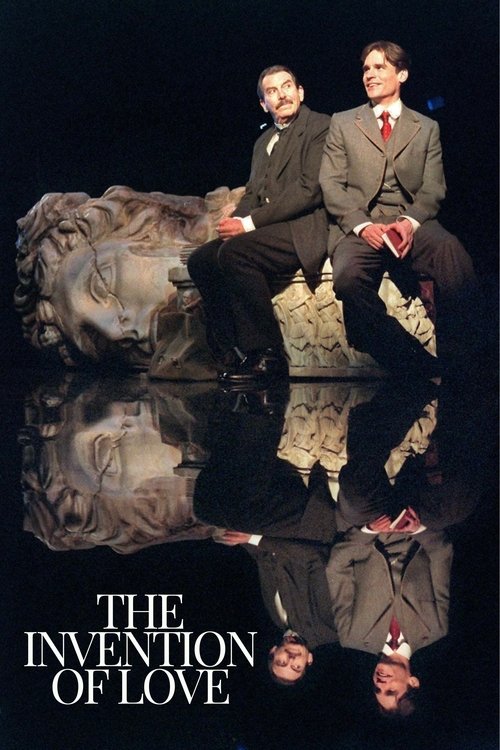











Popular
What is the significance of the character A.E. Housman in the story?
How does the relationship between Housman and Moses Jackson evolve throughout the film?
What role does the setting of Cambridge University play in the film?
How does the film portray the theme of unrequited love through Housman's character?
What is the significance of the character of the 'Old Housman' in the narrative?
Should I watch it?
Ask Your Own Question

What is the plot?
Sorry, we aren't able to watch and write up a full detailed plot yet. Check back in a few days.








What is the ending?
In the ending of "The Invention of Love," the character of A.E. Housman reflects on his life and the unfulfilled love he has for his friend, Moses Jackson. As he confronts his own mortality, he grapples with the choices he made and the emotional distance that defined his relationships. The film concludes with Housman accepting his solitude and the reality of his unrequited feelings, leaving a poignant sense of longing and introspection.
As the final scenes unfold, we find A.E. Housman, portrayed with a deep sense of introspection, sitting in a dimly lit room, surrounded by the remnants of his past. The atmosphere is heavy with nostalgia and regret. He is now an older man, reflecting on his life choices and the love he harbored for Moses Jackson, a fellow student from his university days. The room is filled with shadows, symbolizing the weight of his unfulfilled desires and the passage of time.
In a series of flashbacks, we see Housman in his youth, vibrant and full of hope, as he navigates his feelings for Moses. Their friendship is depicted with warmth and tenderness, yet it is tinged with an underlying tension. Housman's internal struggle is palpable; he is deeply enamored with Moses but is unable to express his feelings openly. This unspoken love creates a barrier between them, leading to moments of both joy and heartache.
As the narrative shifts back to the present, Housman is confronted by the specter of his younger self, a representation of the dreams and aspirations he once held. This younger version of Housman embodies the passion and longing that have faded over the years. The dialogue between the two Housmans reveals the depth of his regret and the choices that led him to a life of solitude.
In a poignant moment, Housman recalls a significant encounter with Moses, where they shared a brief but meaningful connection. The memory is bittersweet, highlighting the beauty of their friendship while underscoring the pain of what could have been. Housman's longing for a deeper relationship with Moses is evident, and it becomes clear that this unfulfilled love has shaped his identity and his poetry.
As the film draws to a close, Housman's health deteriorates, and he faces the reality of his impending death. He is visited by the ghost of Moses, who represents both the love he lost and the life he could have had. In this ethereal encounter, Housman expresses his feelings, finally acknowledging the depth of his love for Moses. This moment of vulnerability is cathartic, allowing Housman to confront his fears and regrets.
The final scene is hauntingly beautiful, as Housman accepts his fate. He sits alone, surrounded by the echoes of his past, and reflects on the nature of love and loss. The film ends with a sense of resignation, as Housman embraces his solitude, understanding that his love for Moses, though unreciprocated, was a profound part of his existence.
In summary, the fates of the main characters are intertwined with themes of unrequited love and the passage of time. A.E. Housman remains a solitary figure, grappling with his emotions and the choices that led him to a life of introspection. Moses Jackson, while a significant presence in Housman's life, remains a figure of longing and unattainable love. The film concludes with a poignant reminder of the complexities of love and the impact of unexpressed feelings on one's life journey.
Is there a post-credit scene?
The movie "The Invention of Love," produced in 2001, does not have a post-credit scene. The film concludes its narrative without any additional scenes or content after the credits roll. The story focuses on the life of A.E. Housman, exploring his relationships, particularly with his unrequited love for his friend Moses Jackson, and delves into themes of love, loss, and the complexities of human emotion. The ending leaves viewers with a poignant reflection on Housman's life and his struggles with love and longing, encapsulating the film's exploration of the heart's inventions and the pain of unfulfilled desires.
What is the significance of the character A.E. Housman in the story?
A.E. Housman is a central character in 'The Invention of Love,' representing the internal struggles of the poet as he grapples with his unrequited love for his friend, Moses Jackson. Housman's emotional turmoil and longing are depicted through his reflections on love, loss, and the passage of time, showcasing his vulnerability and the impact of his relationships on his poetry.
How does the relationship between Housman and Moses Jackson evolve throughout the film?
The relationship between Housman and Moses Jackson is complex and deeply emotional. Initially, Housman is infatuated with Moses, who is charismatic and confident. As the story unfolds, Housman's feelings of love and admiration clash with his insecurities and the societal expectations of the time. Their bond is tested by Housman's inability to express his true feelings, leading to a poignant exploration of friendship, desire, and regret.
What role does the setting of Cambridge University play in the film?
Cambridge University serves as a significant backdrop in 'The Invention of Love,' symbolizing both intellectual pursuit and emotional confinement. The picturesque yet isolating environment reflects Housman's internal struggles and the rigid societal norms of the Edwardian era. The university's academic atmosphere contrasts with Housman's personal life, highlighting the tension between his scholarly achievements and his emotional vulnerabilities.
How does the film portray the theme of unrequited love through Housman's character?
The film poignantly portrays unrequited love through Housman's character by illustrating his deep emotional attachment to Moses Jackson, juxtaposed with his inability to act on his feelings. Housman's internal monologues reveal his heartache and longing, as he navigates the complexities of love that remains unreturned. This theme is further emphasized by Housman's reflections on his poetry, which often serve as an outlet for his unexpressed emotions.
What is the significance of the character of the 'Old Housman' in the narrative?
The character of 'Old Housman' serves as a narrative device that provides insight into the younger Housman's life and choices. As a reflection of Housman's later years, he embodies the wisdom and regret that come with age. This character allows the audience to witness the impact of past decisions on Housman's present state, emphasizing themes of nostalgia, loss, and the enduring nature of love and memory.
Is this family friendly?
The Invention of Love, produced in 2001, is not particularly family-friendly and contains several elements that may be objectionable or upsetting for children or sensitive viewers. Here are some aspects to consider:
-
Themes of Death and Grief: The film explores profound themes of mortality, loss, and the impact of death on relationships, which may be heavy for younger audiences.
-
Mental Health Struggles: Characters grapple with feelings of isolation, depression, and existential crises, which could be distressing for sensitive viewers.
-
Complex Relationships: The film delves into complicated romantic and platonic relationships, including unrequited love and emotional turmoil, which may be difficult for younger viewers to understand.
-
Mature Language: There are instances of strong language and adult themes that may not be suitable for children.
-
Introspection and Loneliness: The narrative is heavily introspective, focusing on the internal struggles of the protagonist, which may not resonate well with younger audiences seeking more action-oriented storytelling.
These elements contribute to a tone that is more suited for adult viewers, making it less appropriate for children.