










Popular
What motivates Daniel Ellsberg to leak the Pentagon Papers?
How does the relationship between Daniel Ellsberg and his wife affect the story?
What role does the New York Times play in the unfolding events of the Pentagon Papers?
How does the government react to the publication of the Pentagon Papers?
What internal conflicts does Daniel Ellsberg face throughout the film?
Should I watch it?
Ask Your Own Question

What is the plot?
Sorry, we aren't able to watch and write up a full detailed plot yet. Check back in a few days.



What is the ending?
In the ending of "The Pentagon Papers," Daniel Ellsberg decides to leak the classified documents to the press, leading to a significant confrontation with the government. The film concludes with the publication of the Pentagon Papers, which reveals the truth about the Vietnam War and its impact on American society. Ellsberg faces legal repercussions but remains steadfast in his belief that the public has a right to know the truth.
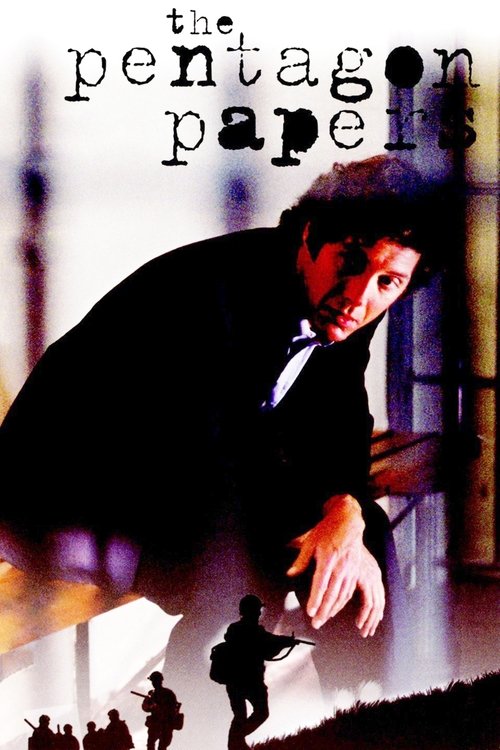
As the film approaches its climax, we find Daniel Ellsberg, portrayed by James Spader, grappling with the weight of his decision. The tension builds as he realizes that the classified documents he has been studying, known as the Pentagon Papers, contain damning evidence about the U.S. government's conduct in the Vietnam War. The internal conflict within him intensifies; he is torn between his loyalty to his country and his moral obligation to expose the truth.
In a pivotal scene, Ellsberg meets with his colleague, Anthony Russo, played by John Voight, in a dimly lit room. They discuss the implications of leaking the documents, weighing the risks against the potential for public awareness. Ellsberg's determination solidifies as he reflects on the lives lost in Vietnam and the deception that has been perpetuated by the government. The emotional stakes are high, and the gravity of their decision looms over them.
As Ellsberg prepares to leak the documents, the film shifts to the newsroom of The New York Times. The atmosphere is charged with urgency and anticipation. The editors, led by the resolute executive editor, are faced with the moral dilemma of publishing classified information. They understand the potential consequences, including legal action from the government, but they also recognize the importance of informing the public. The tension in the room is palpable as they debate the implications of their actions.
In a dramatic turn, the Pentagon Papers are published, and the nation is rocked by the revelations. The scenes depict the public's reaction, with protests erupting and citizens demanding accountability from their leaders. The emotional weight of the moment is felt by Ellsberg, who watches the news unfold with a mix of anxiety and hope. He understands that he has ignited a firestorm, but he believes it is a necessary step toward transparency.
As the government retaliates, Ellsberg faces legal challenges. The film portrays his struggle as he becomes a target of the Nixon administration. The stakes are raised as he is charged with espionage, and the legal battle that ensues is fraught with tension. Despite the threats and the pressure, Ellsberg remains resolute in his conviction that the truth must be revealed.
In the final scenes, we see Ellsberg's personal life affected by his actions. His relationships are strained, and he faces isolation as he becomes a symbol of dissent. However, he also finds solidarity with others who believe in the importance of transparency and accountability. The film closes with a sense of unresolved tension, highlighting the ongoing struggle for truth in the face of governmental secrecy.
Ultimately, the fates of the main characters are intertwined with the broader narrative of the Vietnam War and the fight for freedom of the press. Ellsberg's journey is one of moral courage, and while he faces significant personal and legal challenges, his actions have sparked a national conversation about the ethics of war and the responsibility of the press. The film ends on a note of reflection, leaving the audience to ponder the implications of Ellsberg's choices and the enduring quest for truth in a complex world.
Is there a post-credit scene?
The movie "The Pentagon Papers," produced in 2003, does not have a post-credit scene. The film concludes with a focus on the significant events surrounding the publication of the Pentagon Papers and the impact it had on American society and the government. The narrative wraps up with a sense of resolution regarding the characters' struggles and the broader implications of their actions, leaving no additional scenes or content after the credits.
What motivates Daniel Ellsberg to leak the Pentagon Papers?
Daniel Ellsberg, played by James Spader, is initially a dedicated military analyst who believes in the U.S. government's mission in Vietnam. However, as he uncovers the truth about the government's deception regarding the war's progress and the loss of life, he becomes increasingly disillusioned. His internal conflict grows as he grapples with the moral implications of his work and the devastating impact of the war on soldiers and civilians alike. This culminates in his decision to leak the Pentagon Papers, driven by a desire to expose the truth and hold the government accountable.
How does the relationship between Daniel Ellsberg and his wife affect the story?
Daniel's relationship with his wife, Patricia, portrayed by Maura Tierney, is strained as he becomes consumed by the weight of the information he possesses. Patricia is initially supportive, but as Daniel's obsession with the Pentagon Papers deepens, she feels increasingly isolated and worried about the potential consequences of his actions. Their emotional distance reflects the broader theme of personal sacrifice in the pursuit of truth, highlighting the toll that Daniel's moral choices take on his family life.
What role does the New York Times play in the unfolding events of the Pentagon Papers?
The New York Times, represented by characters like Ben Bradlee, played by Bob Odenkirk, and his team, becomes a crucial player in the story as they receive the leaked Pentagon Papers from Ellsberg. The newspaper's decision to publish the documents is fraught with tension, as they weigh the implications of exposing government secrets against the potential legal repercussions. The newsroom scenes are filled with urgency and determination, showcasing the journalists' commitment to uncovering the truth and the ethical dilemmas they face in the process.
How does the government react to the publication of the Pentagon Papers?
The government, led by figures such as President Nixon and his administration, reacts with hostility and aggression to the publication of the Pentagon Papers. They view it as a direct threat to national security and attempt to suppress the information through legal means. Tension escalates as the administration seeks to discredit the New York Times and intimidate other media outlets, leading to a dramatic confrontation over the First Amendment and the right to publish. This reaction underscores the high stakes involved in the battle between government secrecy and the public's right to know.
What internal conflicts does Daniel Ellsberg face throughout the film?
Throughout the film, Daniel Ellsberg grapples with profound internal conflicts as he weighs his loyalty to his country against his moral obligation to reveal the truth. He experiences moments of doubt and fear, particularly regarding the potential consequences of his actions for himself and his loved ones. As he witnesses the human cost of the Vietnam War and reflects on his role in perpetuating the government's lies, his emotional turmoil intensifies. This struggle is depicted through his interactions with colleagues, his family, and the weight of the documents he carries, illustrating the personal stakes involved in his decision to leak the Pentagon Papers.
Is this family friendly?
The Pentagon Papers, produced in 2003, is a historical drama that deals with serious themes and real-life events surrounding the Vietnam War and government secrecy. While it is not explicitly designed for children, it may be suitable for older teens and adults. However, there are several aspects that could be potentially objectionable or upsetting for children or sensitive viewers:
-
War Themes: The film discusses the Vietnam War, which includes references to violence, loss of life, and the moral complexities of war.
-
Political Tension: The narrative involves intense political discussions and conflicts, which may be difficult for younger viewers to fully understand.
-
Emotional Strain: Characters experience significant stress, anxiety, and moral dilemmas, which could be distressing for sensitive viewers.
-
Mature Language: There are instances of strong language that may not be appropriate for younger audiences.
-
Depictions of Secrecy and Betrayal: The film explores themes of betrayal and the consequences of revealing government secrets, which may be unsettling for some viewers.
Overall, while the film is a significant historical piece, its mature themes and emotional weight may not be suitable for younger audiences or those who are particularly sensitive to such topics.









