




























Popular
What is the significance of the character Mr. Roarke in Fantasy Island?
How do the characters' fantasies manifest on the island?
What happens to the character Julia during her fantasy?
What role does the character Gwen play in the story?
How does the character Patrick's fantasy reveal his true nature?
Should I watch it?
Ask Your Own Question

What is the plot?
Sorry, we aren't able to watch and write up a full detailed plot yet. Check back in a few days.



What is the ending?
In the ending of "Fantasy Island," the characters confront the consequences of their wishes. They realize that the island's magic is twisted and dangerous. In a climactic showdown, they fight against the island's dark forces. Ultimately, only a few characters survive, and the island's true nature is revealed. The film concludes with a shocking twist, leaving the fate of the island and its master ambiguous.
As the film approaches its conclusion, the tension escalates on the island. The remaining guests--Gwen, Patrick, and the others--are grappling with the horrifying realities of their wishes. Each character has faced the darker side of their desires, leading to a series of confrontations that reveal their true selves.
Scene by scene, the narrative unfolds:
The guests gather in a clearing, shaken by the chaos that has unfolded. Gwen, who wished to confront her past, is haunted by the appearance of her deceased father, who represents her unresolved guilt and longing for closure. As she battles her emotional turmoil, she realizes that the island feeds off their fears and regrets, twisting their wishes into nightmares.
Patrick, who wished to be a hero, finds himself in a life-or-death situation. He faces off against the manifestation of his greatest fear--his own cowardice. In a moment of clarity, he understands that true bravery comes from facing one's flaws rather than escaping them. This realization empowers him to fight back against the island's dark forces.
Meanwhile, the character of Julia, who wished for revenge, is confronted by the consequences of her actions. Her desire leads to a tragic confrontation with the person she sought to punish, forcing her to confront the cycle of violence and pain she has perpetuated. In a moment of reckoning, she chooses to break free from her vengeful desires, seeking redemption instead.
As the climax builds, the characters band together to confront the island's master, Mr. Roarke. They realize that he is not merely a facilitator of their wishes but a manipulator of their deepest fears. In a final showdown, they challenge him, demanding to be freed from the island's grasp. The confrontation is intense, filled with emotional stakes as each character fights not just for their lives but for their freedom from the burdens of their past.
In the end, the island begins to collapse under the weight of their collective defiance. Gwen, Patrick, and Julia manage to escape, but not without loss. The fate of the other guests is grim; some succumb to the island's dark magic, while others are left behind, consumed by their own desires.
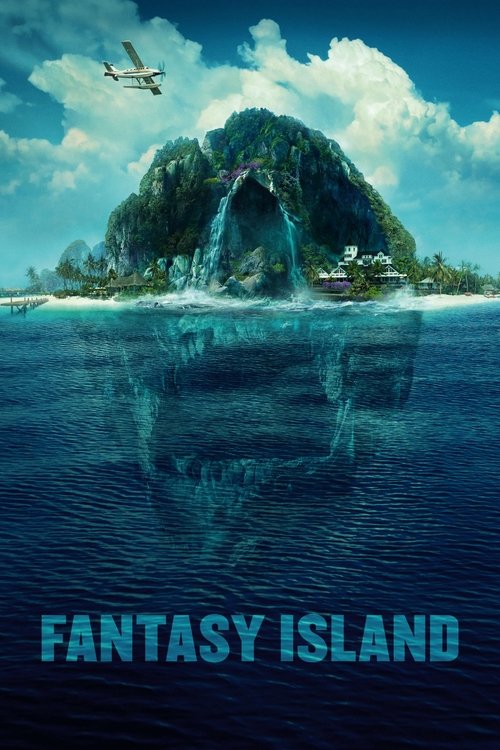
As the survivors make their way to a boat that will take them away from the island, they are forever changed. They carry the weight of their experiences, having faced their fears and desires head-on. The film concludes with a haunting image of the island, shrouded in mystery, suggesting that its dark magic may never truly be vanquished.
In the final moments, a twist reveals that Mr. Roarke is still alive, hinting at the possibility of the island's return and leaving the audience with lingering questions about the nature of desire and the consequences of one's choices. The survivors, though free from the island, are left to grapple with the emotional scars of their experiences, emphasizing the film's exploration of the complexities of human desire and the dangers of wishing for what one does not fully understand.
Is there a post-credit scene?
In the movie "Fantasy Island" (2020), there is indeed a post-credit scene. After the main events of the film conclude, the scene shifts to a darkened room where a mysterious figure is seen speaking on the phone. This figure is revealed to be Mr. Roarke, the enigmatic host of the island, who is portrayed by Michael Peña.
As he talks, he expresses a sense of satisfaction about the events that have unfolded, hinting at the ongoing nature of the island's dark magic and the potential for more guests to arrive. The scene emphasizes the sinister undertones of the island's allure, suggesting that the cycle of granting twisted fantasies will continue. The atmosphere is tense, leaving viewers with a lingering sense of unease and curiosity about the fate of future visitors to Fantasy Island. This moment reinforces the film's themes of desire, consequence, and the hidden dangers of wish fulfillment.
What is the significance of the character Mr. Roarke in Fantasy Island?
Mr. Roarke, played by Michael Peña, is the enigmatic host of Fantasy Island. He embodies the allure and danger of the island, guiding guests through their fantasies while also hinting at the darker consequences of their desires. His motivations are complex; he appears to genuinely care for the guests but is also bound by the island's supernatural rules, which he must uphold. As the story unfolds, it becomes clear that he has a personal connection to the island's magic and its darker side.
How do the characters' fantasies manifest on the island?
Each character's fantasy is tailored to their deepest desires and regrets. For example, Melanie's fantasy involves reliving a moment from her past where she confronts her high school bully, while Patrick's fantasy revolves around a lavish party where he can prove his worth. These fantasies are visually stunning and immersive, but they quickly reveal the characters' inner turmoil and the consequences of their choices, leading to terrifying and unexpected outcomes.
What happens to the character Julia during her fantasy?
Julia's fantasy revolves around her desire to reconnect with her deceased father. She is transported to a moment in her childhood where she can interact with him. However, as the fantasy progresses, it becomes clear that this encounter is not as idyllic as she hoped. Julia grapples with the pain of loss and the realization that her father was not the perfect figure she idealized. This emotional conflict culminates in a harrowing confrontation that forces her to face the truth about her father's past.
What role does the character Gwen play in the story?
Gwen, portrayed by Lucy Hale, is one of the guests who arrives at Fantasy Island seeking to escape her troubled life. Her fantasy involves a romantic encounter with a mysterious man, which initially seems like a dream come true. However, as the fantasy unfolds, Gwen discovers that her romantic interest is tied to her past traumas and insecurities. This revelation leads her to confront her fears and ultimately seek empowerment rather than escape.
How does the character Patrick's fantasy reveal his true nature?
Patrick, played by Austin Stowell, initially appears to be a confident and successful businessman. His fantasy involves a lavish party where he can showcase his wealth and status. However, as the fantasy progresses, it becomes evident that Patrick's bravado masks deep insecurities and a desperate need for validation. The darker elements of his fantasy force him to confront his superficiality and the emptiness of his pursuits, leading to a critical moment of self-realization.
Is this family friendly?
"Fantasy Island" (2020) is not considered family-friendly and contains several potentially objectionable or upsetting scenes that may be distressing for children or sensitive viewers. Here are some aspects to be aware of:
-
Violence and Gore: The film features scenes of violence, including physical confrontations and graphic depictions of injuries, which can be intense and unsettling.
-
Horror Elements: There are supernatural and horror themes throughout the movie, including frightening imagery and suspenseful moments that may cause anxiety.
-
Death and Trauma: Characters face life-threatening situations, and themes of death and trauma are explored, which could be distressing for younger audiences.
-
Psychological Manipulation: The characters experience psychological torment and manipulation, leading to emotional distress that may be difficult for sensitive viewers to process.
-
Mature Themes: The film delves into complex adult themes such as revenge, regret, and the consequences of one's desires, which may not be suitable for children.
Overall, the combination of horror, violence, and mature themes makes "Fantasy Island" more appropriate for older teens and adults rather than a family audience.







