



Popular
Who are the key supporting characters, and how do they influence the protagonist's journey?
What pivotal moment leads to the protagonist's transformation?
How does the main character's relationship with her family evolve throughout the film?
What is the significance of the flower in the story?
What challenges does the protagonist face in pursuing her dreams?
Should I watch it?
Ask Your Own Question

What is the plot?
Sorry, we aren't able to watch and write up a full detailed plot yet. Check back in a few days.


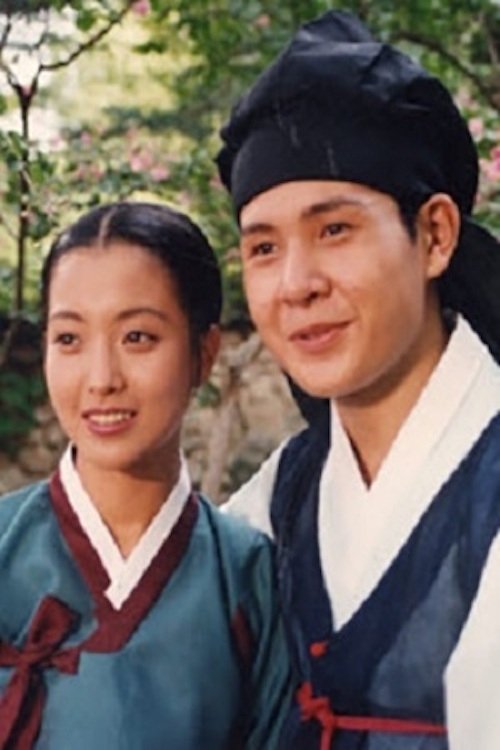

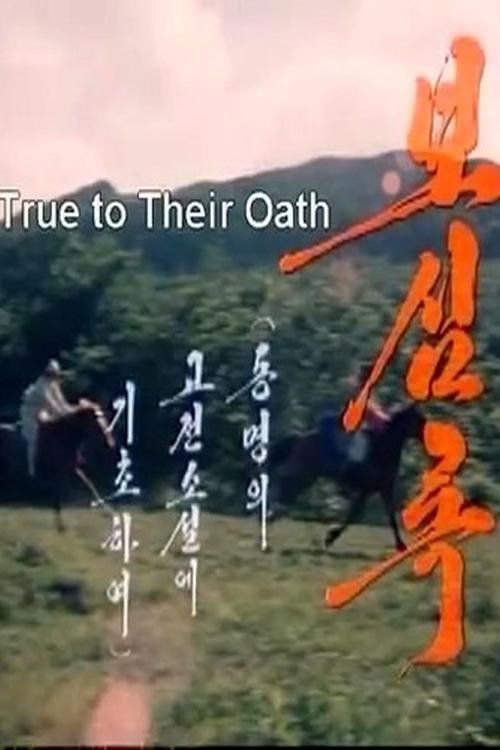
What is the ending?
In the ending of "The Story of a Blooming Flower," the main character, Mei, finally confronts her past and the emotional scars that have shaped her life. She finds closure with her estranged family and embraces her true self, leading to a moment of personal liberation. The film concludes with Mei standing in a field of blooming flowers, symbolizing her growth and newfound freedom.
As the final act unfolds, the scene transitions to Mei standing at the edge of a vibrant flower field, the sun casting a warm glow over the landscape. The camera captures her contemplative expression, reflecting the weight of her journey. She takes a deep breath, inhaling the sweet scent of the flowers, which serves as a metaphor for her blossoming spirit.
In the following scene, Mei visits her family home, a place filled with memories both painful and cherished. The atmosphere is tense as she approaches the door, her heart racing with a mix of fear and hope. Inside, her family is gathered, and the air is thick with unspoken words. Mei's mother, who has been a source of conflict throughout the film, looks up with surprise and a hint of regret in her eyes.
Mei steps forward, her voice trembling but resolute. She expresses her feelings of abandonment and hurt, revealing the emotional turmoil that has haunted her for years. Her mother listens, tears welling in her eyes, and the tension begins to dissolve as they share a heartfelt conversation. This moment of vulnerability allows both women to confront their past mistakes, leading to a tentative reconciliation.
Meanwhile, Mei's father, who has been largely absent from her life, enters the room. His presence adds another layer of complexity to the reunion. He acknowledges his shortcomings and expresses a desire to be part of Mei's life moving forward. The family dynamics shift as they begin to understand each other, and the scene is filled with a sense of hope and possibility.
As the emotional weight of the reunion lifts, the film cuts back to the flower field. Mei stands amidst the blooms, her family now behind her, symbolizing the support she has longed for. The camera pans out, capturing the beauty of the flowers swaying in the breeze, mirroring Mei's transformation.
In the final moments, Mei closes her eyes, allowing the warmth of the sun to envelop her. She smiles, a genuine expression of joy and acceptance. The film ends with a wide shot of the flower field, a visual representation of Mei's journey from pain to healing, and the screen fades to black, leaving the audience with a sense of closure and renewal.
In summary, Mei finds peace with her family, embraces her identity, and steps into a future filled with hope, while her parents begin to mend their relationship with her, highlighting the film's themes of forgiveness, growth, and the importance of family connections.
Is there a post-credit scene?
The movie "The Story of a Blooming Flower," produced in 1992, does not feature a post-credit scene. The film concludes its narrative with a poignant final scene that encapsulates the themes of growth, resilience, and the beauty of life. As the credits roll, the audience is left to reflect on the journey of the main character, who has undergone significant personal transformation throughout the story. The absence of a post-credit scene allows the emotional weight of the film's conclusion to resonate fully, leaving viewers with a sense of closure and contemplation.
Who are the key supporting characters, and how do they influence the protagonist's journey?
Key supporting characters include her best friend, who provides unwavering support, and a mentor figure who challenges her to push beyond her limits, both of whom play crucial roles in her development.
What pivotal moment leads to the protagonist's transformation?
A critical moment occurs when she faces a major setback that forces her to reevaluate her priorities, leading to a profound realization about her true desires and the courage to pursue them.
How does the main character's relationship with her family evolve throughout the film?
Initially strained due to her aspirations conflicting with family expectations, the main character gradually finds common ground with her family, leading to a deeper understanding and acceptance of her choices.
What is the significance of the flower in the story?
The flower symbolizes resilience and beauty amidst adversity, representing the main character's journey of self-discovery and growth.
What challenges does the protagonist face in pursuing her dreams?
The protagonist encounters societal pressures, personal doubts, and familial obligations that test her resolve, forcing her to confront her fears and ultimately embrace her passion.
Is this family friendly?
"The Story of a Blooming Flower," produced in 1992, is generally considered family-friendly, but it does contain some scenes that may be sensitive for children or those who are particularly sensitive.
-
Emotional Struggles: The film explores themes of loss and longing, which may evoke strong emotions. Characters experience moments of sadness and despair that could be upsetting for younger viewers.
-
Conflict and Tension: There are scenes of conflict between characters that may include raised voices or intense discussions, which could be distressing for some children.
-
Family Dynamics: The portrayal of complex family relationships may include misunderstandings and arguments, reflecting real-life issues that could be challenging for sensitive viewers to process.
-
Visual Imagery: Some scenes may depict nature in a way that emphasizes the harsh realities of life, such as storms or barren landscapes, which could be interpreted as bleak.
Overall, while the film carries a positive message about growth and resilience, the emotional depth and certain conflicts may require parental guidance for younger audiences.








