
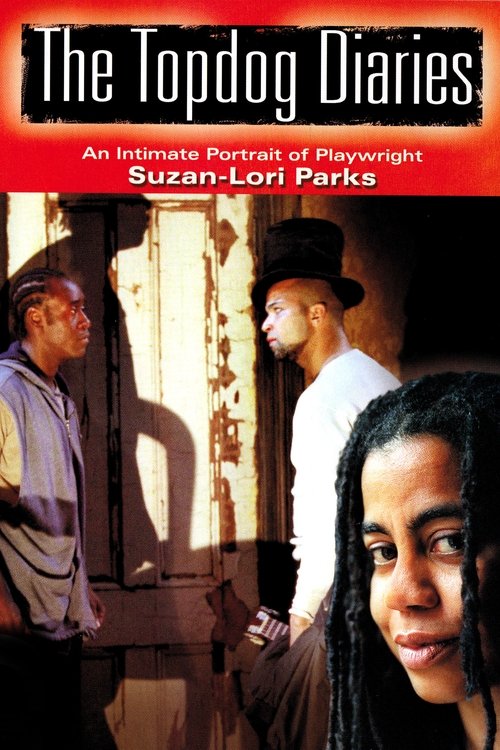





Popular
What is the relationship between the two main characters, Lincoln and Booth?
How does Lincoln's past influence his present actions?
What role does the game of 'three-card monte' play in the story?
How does Booth's desire for validation manifest throughout the film?
What are the key moments that highlight the tension between Lincoln and Booth?
Should I watch it?
Ask Your Own Question

What is the plot?
Sorry, we aren't able to watch and write up a full detailed plot yet. Check back in a few days.







What is the ending?
In the ending of The Topdog Diaries, the tension between the two brothers, Lincoln and Booth, reaches a climax. After a heated argument, Booth, feeling betrayed and desperate, pulls a gun on Lincoln. The confrontation escalates, leading to a tragic outcome where Lincoln is shot by Booth. The film concludes with Booth's realization of the irreversible consequences of his actions, leaving him alone with his guilt and loss.
As the final scenes unfold, the atmosphere is thick with tension. The brothers, Lincoln and Booth, are in their modest apartment, the remnants of their earlier camaraderie now overshadowed by unresolved conflicts and deep-seated resentments. The room is dimly lit, casting shadows that seem to mirror the darkness in their relationship.
Lincoln, weary and burdened by the weight of his past, sits at the table, reflecting on his life choices. He has been trying to maintain a sense of stability, working at a job that he finds unfulfilling, while Booth, younger and more impulsive, struggles with feelings of inadequacy and a desire for validation. The air is charged with unspoken words as they engage in a conversation that quickly spirals into an argument.
Booth, feeling increasingly marginalized and desperate to prove himself, accuses Lincoln of holding him back. He feels overshadowed by Lincoln's past and his perceived success, which only fuels his anger. Lincoln, on the other hand, tries to assert his authority as the older brother, but his attempts to guide Booth only lead to further conflict. The brothers' dialogue is sharp and filled with emotional undercurrents, revealing their vulnerabilities and fears.
As the argument escalates, Booth's frustration boils over. He reveals a gun he has acquired, a symbol of his desperation and a misguided attempt to gain control over his life. The tension in the room becomes palpable as he points the gun at Lincoln, demanding respect and recognition. Lincoln, calm yet resolute, tries to de-escalate the situation, urging Booth to reconsider his actions.
In a moment of tragic irony, Booth's emotional turmoil culminates in a split-second decision. Overwhelmed by a mix of anger, fear, and a desire for power, he pulls the trigger. The sound of the gunshot echoes through the apartment, a stark contrast to the silence that follows. Lincoln collapses, the life draining from him as Booth stands frozen, the weight of his actions crashing down upon him.
The scene shifts to Booth, now alone in the aftermath of the tragedy. The reality of what he has done sinks in, and he is left to grapple with the consequences of his impulsive choice. The once vibrant energy of the brothers' relationship is extinguished, leaving Booth in a state of profound isolation and regret. The film closes on this haunting image, emphasizing the irreversible nature of their conflict and the tragic fate that has befallen both brothers.
In the end, Lincoln's life is cut short, leaving behind a legacy of unfulfilled potential and unresolved issues. Booth, on the other hand, is left to confront the emptiness of his actions, burdened by guilt and the realization that he has lost not only his brother but also a part of himself in the process. The film concludes with a poignant reminder of the fragility of familial bonds and the devastating impact of unresolved conflict.
Is there a post-credit scene?
The movie "The Topdog Diaries," produced in 2002, does not contain a post-credit scene. The film focuses on the complex relationship between two brothers, Lincoln and Booth, as they navigate their struggles with identity, family dynamics, and the challenges of their lives. The narrative concludes without any additional scenes after the credits, leaving the audience to reflect on the themes and character arcs presented throughout the film.
What is the relationship between the two main characters, Lincoln and Booth?
Lincoln and Booth are brothers who share a complicated and strained relationship. Lincoln, the older brother, is trying to navigate his life after a troubled past, while Booth, the younger brother, is struggling to find his identity and place in the world. Their interactions are filled with tension, love, and resentment, reflecting their shared history and differing life choices.
How does Lincoln's past influence his present actions?
Lincoln's past is marked by a history of crime and struggles with his identity, which deeply influences his present. He is trying to distance himself from his former life, seeking stability and a sense of responsibility, but he is constantly haunted by his past decisions and the expectations placed upon him by Booth and society.
What role does the game of 'three-card monte' play in the story?
The game of 'three-card monte' serves as a metaphor for deception and survival in the brothers' lives. Lincoln, who is skilled at the game, uses it to teach Booth about the harsh realities of life, while also reflecting their own struggles with trust and betrayal. The game becomes a pivotal point in their relationship, symbolizing both their connection and the conflicts that arise from their differing approaches to life.
How does Booth's desire for validation manifest throughout the film?
Booth's desire for validation is evident in his constant need for approval from Lincoln and his attempts to prove himself. He often seeks attention through bravado and attempts to impress Lincoln with his own skills, particularly in the game of 'three-card monte.' This need for validation drives much of his behavior, leading to moments of frustration and vulnerability as he grapples with his self-worth.
What are the key moments that highlight the tension between Lincoln and Booth?
Key moments that highlight the tension between Lincoln and Booth include their heated arguments about their past, Lincoln's reluctance to fully embrace his role as a brother and mentor, and Booth's desperate attempts to gain Lincoln's respect. These moments are charged with emotional intensity, showcasing their conflicting desires for connection and independence, ultimately leading to confrontations that reveal their deep-seated fears and insecurities.
Is this family friendly?
The Topdog Diaries, produced in 2002, is not considered family-friendly due to its mature themes and content. Here are some potentially objectionable or upsetting aspects that may occur for children or sensitive viewers:
-
Strong Language: The film contains frequent use of profanity, which may be inappropriate for younger audiences.
-
Violence: There are scenes that depict physical confrontations and the threat of violence, which could be distressing.
-
Themes of Poverty and Struggle: The characters grapple with issues of homelessness, financial instability, and the emotional toll of their circumstances, which may be heavy for sensitive viewers.
-
Family Conflict: The relationship between the brothers is fraught with tension, jealousy, and betrayal, showcasing complex emotional struggles that may be difficult for younger viewers to process.
-
Existential Themes: The film explores deep themes of identity, purpose, and the human condition, which may be challenging for children to understand.
These elements contribute to a narrative that is more suited for mature audiences rather than children.