


Popular
What challenges did Walt Disney face in his early career?
How did Walt Disney's relationship with his brother Roy influence his career?
What was the significance of the creation of Mickey Mouse in Walt Disney's career?
How did Walt Disney's vision for Disneyland come to fruition?
What personal struggles did Walt Disney experience throughout his life?
Should I watch it?
Ask Your Own Question

What is the plot?
Sorry, we aren't able to watch and write up a full detailed plot yet. Check back in a few days.
More Movies Like This
Browse All Movies →





What is the ending?
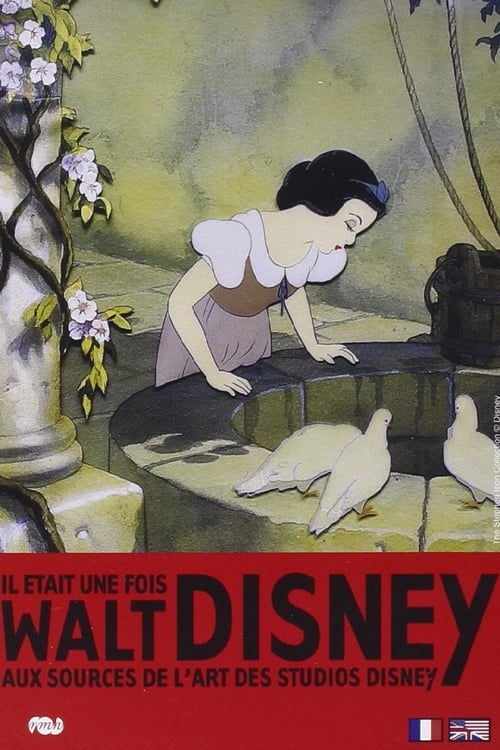
In the ending of "Walt Disney: Once Upon a Time," the film culminates in a reflection on Walt Disney's legacy and the impact of his work on the world of entertainment. The narrative emphasizes the importance of imagination, creativity, and perseverance. Walt's journey is portrayed as one filled with challenges, but ultimately, he leaves behind a lasting influence that continues to inspire future generations.
As the film draws to a close, we see a montage of Walt's most iconic creations, interspersed with moments from his life that highlight his dedication to storytelling and innovation. The final scenes evoke a sense of nostalgia and hope, showcasing how Walt's vision transformed the landscape of animation and theme parks, solidifying his place in history.
Now, let's delve into the ending in a more detailed, chronological narrative.
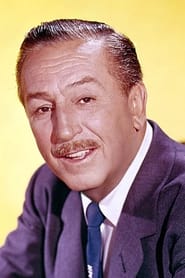
The final act of "Walt Disney: Once Upon a Time" begins with a poignant scene in which Walt Disney, portrayed with a mix of determination and vulnerability, reflects on his life's work. He stands in his office, surrounded by sketches and models of his beloved characters, a visual testament to his creative journey. The camera captures the weight of his legacy as he contemplates the future of his company and the characters he has brought to life.
In a series of flashbacks, we witness key moments from Walt's career, including the creation of Mickey Mouse and the opening of Disneyland. Each flashback is infused with emotional resonance, showcasing not only the triumphs but also the struggles he faced, such as financial difficulties and skepticism from peers. These scenes are intercut with present-day interviews from animators and filmmakers who express their admiration for Walt and how his work has influenced their own careers.
As the narrative progresses, we see Walt interacting with his family, particularly his daughters, who provide insight into his character as a father. Their conversations reveal his passion for storytelling and the importance he places on imagination. This familial bond adds depth to Walt's character, illustrating that his drive for success is intertwined with his desire to create joy for others, especially his loved ones.
The climax of the film occurs during a pivotal moment when Walt decides to move forward with a new project that embodies his vision of storytelling. He gathers his team, and in a passionate speech, he inspires them to push the boundaries of animation and creativity. The scene is charged with energy, as the animators rally around Walt, motivated by his unwavering belief in the power of dreams.
As the film nears its conclusion, we witness the opening day of Disneyland, a culmination of Walt's dreams and hard work. The camera pans over the park, filled with families and children, laughter echoing in the air. Walt stands at the entrance, a proud smile on his face, as he watches the joy his creation brings to others. This moment encapsulates the essence of his legacy--creating happiness and wonder for generations to come.
In the final scenes, the film shifts to a reflective tone, with a voiceover that speaks to the enduring impact of Walt Disney's work. The montage showcases beloved characters like Mickey Mouse, Cinderella, and others, reminding viewers of the magic that Walt infused into his creations. The screen fades to black, leaving the audience with a sense of hope and inspiration, emphasizing that while Walt may have passed, his spirit lives on through the stories he created.
The film concludes with a final shot of Walt's name, a symbol of his lasting influence on the world of entertainment. The credits roll, accompanied by a nostalgic score that evokes the emotions tied to his legacy, leaving viewers with a profound appreciation for the man who dared to dream and changed the landscape of animation forever.
Is there a post-credit scene?
"Walt Disney: Once Upon a Time," produced in 2006, does not feature a post-credit scene. The film focuses on the life and legacy of Walt Disney, exploring his journey from a young animator to the founder of one of the most iconic entertainment empires in history. The narrative concludes with a reflection on his impact on the world of animation and family entertainment, leaving viewers with a sense of inspiration and appreciation for his contributions.
What challenges did Walt Disney face in his early career?
Walt Disney faced numerous challenges in his early career, including financial difficulties, the failure of his first studio, Laugh-O-Gram Studios, which went bankrupt. He struggled to find success in animation and had to overcome skepticism from investors and the industry regarding the viability of animated films.
How did Walt Disney's relationship with his brother Roy influence his career?
Walt Disney's relationship with his brother Roy was pivotal; Roy provided financial support and business acumen that helped stabilize Walt's creative ambitions. Their partnership allowed Walt to focus on innovation while Roy managed the business side, leading to the establishment of the Disney Brothers Studio.
What was the significance of the creation of Mickey Mouse in Walt Disney's career?
The creation of Mickey Mouse marked a turning point in Walt Disney's career, as Mickey became an iconic character that symbolized the Disney brand. The character's debut in 'Steamboat Willie' in 1928 was a groundbreaking moment in animation, showcasing synchronized sound and establishing Disney as a leader in the industry.
How did Walt Disney's vision for Disneyland come to fruition?
Walt Disney's vision for Disneyland stemmed from his desire to create a place where families could enjoy entertainment together. He faced skepticism and financial hurdles but persevered, ultimately opening Disneyland in 1955, which combined innovative design, storytelling, and immersive experiences, revolutionizing theme parks.
What personal struggles did Walt Disney experience throughout his life?
Walt Disney experienced personal struggles, including the pressure of maintaining his creative vision while managing a growing business. He dealt with the stress of competition, the loss of his mother, and health issues later in life, which affected his emotional state and fueled his drive to succeed.
Is this family friendly?
"Walt Disney: Once Upon a Time," produced in 2006, is generally considered family-friendly, as it explores the life and legacy of Walt Disney, a figure known for his contributions to family entertainment. However, there are a few aspects that might be potentially objectionable or upsetting for children or sensitive viewers:
-
Depictions of Struggle: The film portrays Walt Disney's early struggles, including financial difficulties and personal setbacks, which may be emotionally intense for some viewers.
-
Family Dynamics: There are scenes that delve into the complexities of Walt's relationships with his family, including moments of tension and conflict that could be difficult for younger audiences to process.
-
Loss and Sacrifice: The narrative touches on themes of loss, including the sacrifices Walt made for his career, which may evoke feelings of sadness or empathy.
-
Historical Context: Some historical references may include the challenges faced by Disney during the Great Depression, which could be distressing for sensitive viewers.
Overall, while the film is designed to celebrate Walt Disney's achievements and creativity, these elements may require parental guidance for younger audiences.







