








Popular
What were Dusty Rhodes' early struggles before becoming a wrestling star?
How did Dusty Rhodes develop his iconic persona in wrestling?
What role did Dusty Rhodes' family play in his wrestling career?
What were some of Dusty Rhodes' most memorable rivalries in wrestling?
How did Dusty Rhodes' character evolve throughout his wrestling career?
Should I watch it?
Ask Your Own Question

What is the plot?
Sorry, we aren't able to watch and write up a full detailed plot yet. Check back in a few days.








What is the ending?
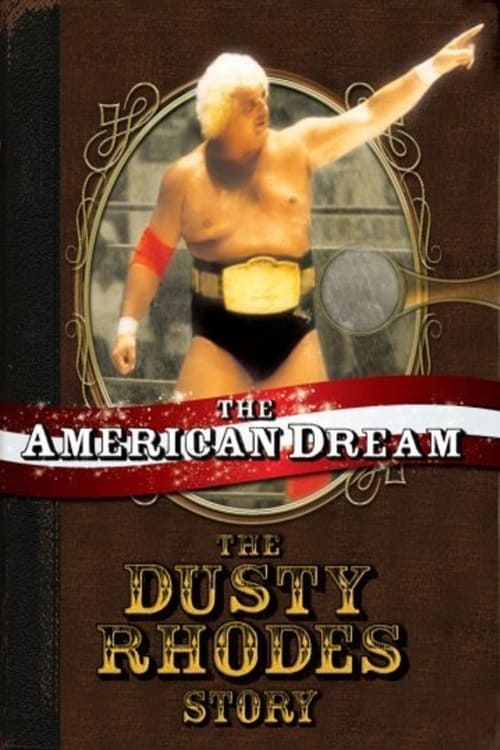
In the ending of "The American Dream: The Dusty Rhodes Story," Dusty Rhodes reflects on his career and legacy in professional wrestling. He is celebrated for his contributions to the sport and his ability to connect with fans. The film concludes with a montage of his greatest moments, showcasing his charisma and the impact he had on wrestling, leaving a lasting impression on the audience.
As the film approaches its conclusion, we find ourselves in a reflective space, where Dusty Rhodes, now an elder statesman of wrestling, sits down to share his thoughts. The scene opens with a close-up of Dusty, his face lined with the marks of time and experience, yet his eyes still sparkle with the passion that once ignited the wrestling ring. He begins to recount the journey of his life, from his humble beginnings to becoming a wrestling icon.
The camera shifts to a series of flashbacks, illustrating key moments in Dusty's career. We see him in the ring, clad in his signature polka dots, engaging with the audience, who are visibly enthralled by his larger-than-life persona. The cheers and chants of "Dusty! Dusty!" echo in the background, a testament to the connection he forged with fans. Each clip highlights not just his athletic prowess but also his ability to tell a story through his matches, drawing the audience into the drama of professional wrestling.
As the montage continues, we witness Dusty's rivalries and friendships, particularly with figures like Ric Flair and the Road Warriors. These relationships are pivotal, showcasing the camaraderie and competition that defined the wrestling world during his prime. Dusty's emotional investment in these rivalries is palpable; we see him not just as a performer but as a man who poured his heart into every match, every promo, and every interaction with fans.
The film then transitions back to the present, where Dusty reflects on the legacy he leaves behind. He speaks candidly about the challenges he faced, including injuries and the toll that a wrestling career takes on the body. Yet, there is a sense of pride in his voice as he acknowledges the impact he has had on the sport and the generations of wrestlers who followed in his footsteps. Dusty emphasizes the importance of authenticity and connection, values that he believes are essential for anyone in the entertainment industry.
In the final scenes, we see Dusty surrounded by family and friends, celebrating his life and career. The atmosphere is filled with warmth and nostalgia, as those who love him share stories and laughter. Dusty's legacy is not just in the titles he won or the matches he fought, but in the hearts of the people he inspired. The film closes with a powerful image of Dusty standing in the center of a wrestling ring, arms raised in triumph, as the crowd erupts in applause. This moment encapsulates his journey, a testament to the American Dream he embodied--a story of perseverance, passion, and the enduring spirit of a true champion.
As the credits roll, viewers are left with a sense of closure, having witnessed not just the life of a wrestler, but the life of a man who dared to dream big and achieved greatness against all odds. Dusty Rhodes, in the end, is not just a wrestling legend; he is a symbol of hope and resilience, reminding us all that dreams can indeed come true.
Is there a post-credit scene?
The movie "The American Dream: The Dusty Rhodes Story" does not feature a post-credit scene. The film concludes with a heartfelt tribute to Dusty Rhodes, showcasing his impact on professional wrestling and his legacy. The final moments reflect on his journey, highlighting his charisma, resilience, and the love he had for the sport and his fans. The credits roll, leaving viewers with a sense of nostalgia and appreciation for Rhodes' contributions to wrestling history.
What were Dusty Rhodes' early struggles before becoming a wrestling star?
Dusty Rhodes faced significant challenges in his early life, including financial difficulties and a lack of opportunities. Growing up in a working-class family in Austin, Texas, he often felt the weight of his circumstances. His passion for wrestling began as a way to escape his struggles, but he initially faced rejection and skepticism from promoters who doubted his potential due to his physique and unconventional style.
How did Dusty Rhodes develop his iconic persona in wrestling?
Dusty Rhodes crafted his iconic persona by embracing his roots and connecting with the audience on a personal level. He portrayed himself as 'The American Dream,' a character that resonated with the working-class fans. His charisma, combined with his ability to tell compelling stories in the ring, allowed him to transform from an underdog to a beloved wrestling icon. His signature catchphrases and colorful outfits further solidified his status.
What role did Dusty Rhodes' family play in his wrestling career?
Dusty Rhodes' family played a crucial role in his wrestling career, providing him with support and motivation. His wife, Michelle, and their children were often seen in the background of his journey, cheering him on during his matches. Dusty's relationship with his family was a source of strength, and he often spoke about wanting to provide a better life for them, which fueled his determination to succeed in wrestling.
What were some of Dusty Rhodes' most memorable rivalries in wrestling?
Dusty Rhodes had several memorable rivalries that defined his career, most notably with Ric Flair and the Four Horsemen. Their intense matches were filled with drama and emotion, showcasing Dusty's resilience and ability to connect with the audience. The rivalry with Flair was particularly significant, as it represented the clash between the working-class hero and the polished, wealthy champion, further elevating Dusty's status in the wrestling world.
How did Dusty Rhodes' character evolve throughout his wrestling career?
Dusty Rhodes' character evolved significantly throughout his wrestling career, transitioning from a struggling wrestler to a charismatic champion. Initially, he was seen as an underdog, but as he gained popularity, he embraced his role as a hero for the fans. His evolution included adopting various personas, such as the flamboyant 'American Dream,' which allowed him to connect with a broader audience and solidify his legacy as a wrestling legend.
Is this family friendly?
The American Dream: The Dusty Rhodes Story is a biographical documentary that chronicles the life and career of professional wrestler Dusty Rhodes. While the film primarily focuses on his achievements and personal journey, there are a few aspects that may be considered objectionable or upsetting for children or sensitive viewers:
-
Wrestling Violence: The film includes footage of wrestling matches that may depict physical confrontations, which could be intense or unsettling for younger audiences.
-
Personal Struggles: Dusty Rhodes discusses his personal challenges, including issues related to family and career struggles, which may evoke strong emotions.
-
Language: There may be instances of strong language or adult themes discussed in the context of wrestling and personal experiences.
-
Emotional Moments: The film touches on themes of loss, disappointment, and the pressures of fame, which could be heavy for sensitive viewers.
Overall, while the film is a tribute to Dusty Rhodes and his legacy, these elements may warrant consideration for family viewing.