















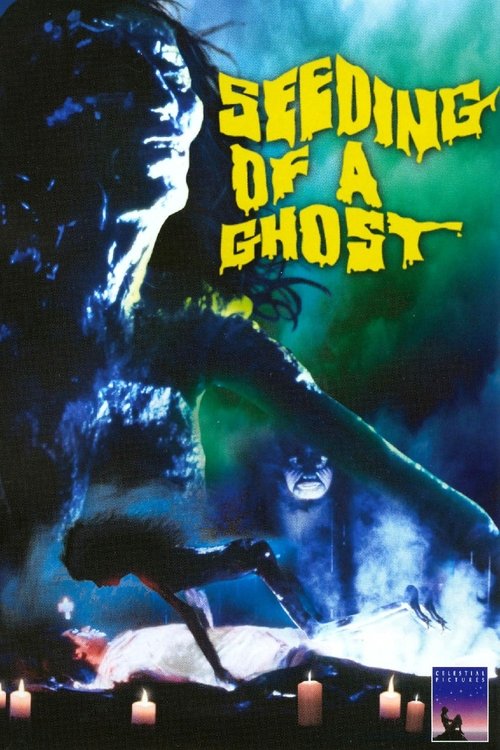
Popular
What is the significance of the character played by Anne Bancroft in Lost Souls?
How does the protagonist, played by Peter Fonda, confront his past in Lost Souls?
What role does the setting play in the development of the story in Lost Souls?
How does the relationship between the protagonist and the supporting characters evolve throughout Lost Souls?
What are the key moments that illustrate the theme of redemption in Lost Souls?
Should I watch it?
Ask Your Own Question

What is the plot?
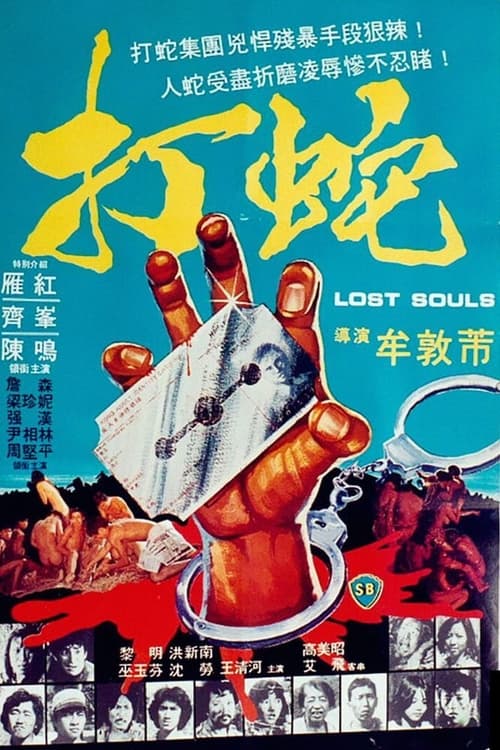
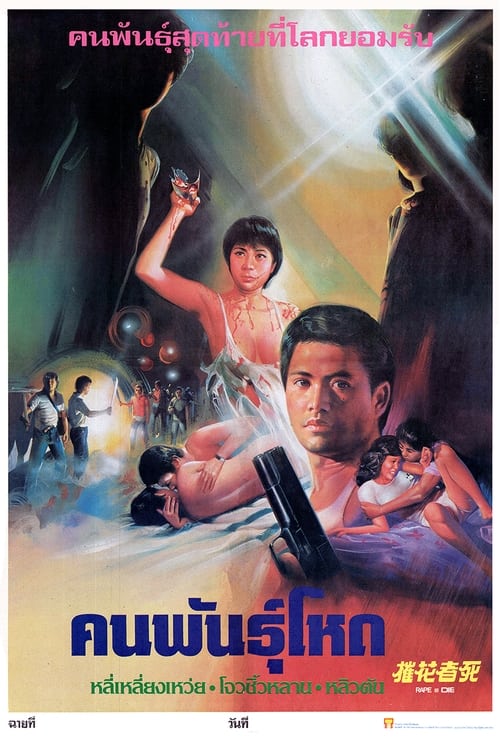
In the bleak, oppressive landscape of early 1980s mainland China, three young souls--Hung Yen, Feng Chi, and Ming Chen--stand on the precipice of a desperate escape. Their rural village, shrouded in poverty and political repression, offers no future. Hung Yen, a determined young man with haunted eyes, shares a quiet but resolute glance with his companions. The trio's plan is simple yet perilous: to flee across the border into Hong Kong, a beacon of freedom and prosperity that glimmers just beyond reach. The air is thick with tension as they prepare for their journey, their faces etched with a mixture of fear and hope.
Their escape is abruptly shattered when they are captured by Mr. Hok, a cruel and sadistic human smuggler whose reputation for brutality precedes him. Mr. Hok is a towering figure of menace, his cold eyes reflecting a merciless hunger for power over the vulnerable. Alongside his henchmen, including the ruthless Chan Shen, he oversees the illegal trafficking of immigrants, turning their dreams of freedom into a nightmare of degradation. The film's opening scenes are wordless yet harrowing, relying on stark visuals: the youths shackled, beaten, and herded like cattle into the grim confines of Mr. Hok's compound. The camera lingers on the dirt-streaked faces of the captives, capturing the rawness of their despair.
The compound itself is a fortress of cruelty, a secluded hideout where Mr. Hok and his gang exert absolute control. Here, the captives endure relentless torture and sexual violence. The film spares no detail in depicting the horrors inflicted upon them--women and men alike are stripped, humiliated, and violated. One particularly harrowing scene shows the gang's chief preparing to sodomize a bound young man, the camera unflinchingly capturing the act's brutal dehumanization. The captives, in a desperate bid to protect themselves, smear their bodies with cow dung, a grotesque symbol of their degradation and the extreme lengths they must go to survive.
Among the captives, a young man--his name lost to the chaos--finds a moment of fierce resistance. When the gang's chief assaults him, the captive bites down hard on the man's neck, killing him in a sudden, violent reversal. But this act of defiance is met with savage retribution. Mr. Hok's henchmen beat the young man to death, their brutality a grim reminder of the power imbalance that governs the compound.
The mounting abuse pushes the prisoners to the brink. In a crescendo of rage and desperation, they launch a revolt against their captors. The uprising is chaotic and brutal, a raw struggle for survival as the captives seize weapons and turn on their tormenters. Several gang members, including Chan Shen, fall in the violent melee. The prisoners, bloodied but unbowed, clothe themselves and commandeer a mini-van, their escape vehicle toward the elusive promise of Hong Kong.
Their flight, however, is fraught with peril. At a police roadblock near the border, hope falters. One of the escapees, perhaps out of habit or nervousness, utters the phrase "Thank you, comrade," a fatal slip that reveals their mainland origins. The police, bound by the strict and controversial immigration policies of the time, arrest the group, crushing their fleeting chance at freedom.
Yet not all are caught. One solitary survivor manages to evade capture, his breath ragged, eyes wide with a mixture of exhaustion and disbelief. He reaches Diamond Hill, the destination that had fueled their dreams. But the reality is a cruel twist: Diamond Hill is no paradise but a slum, a place of poverty and disillusionment far removed from the glittering hopes they carried. The film closes on this bleak tableau, the survivor's face a mask of shattered dreams, underscoring the futility of their struggle and the harshness of their world.
Throughout the narrative, the film reveals no hidden pasts or secret saviors--only the unvarnished truth of suffering and survival. Mr. Hok and his gang are not mere criminals but embodiments of sadism, deriving pleasure from the torment of those they exploit. The immigrants' journey is a harrowing odyssey from oppression to a hollow freedom, marked by violence, betrayal, and loss.
"Lost Souls" ends not with redemption or hope but with a stark, unrelenting portrayal of human cruelty and despair. The final image lingers--a lone figure standing amidst the squalor of Diamond Hill, a testament to the cost of dreams lost in the shadows of exploitation.






What is the ending?
In the ending of "Lost Souls," the protagonist, a man named Peter, confronts the reality of his existence and the choices he has made. He faces the consequences of his actions and ultimately finds a sense of resolution, albeit a tragic one. The film concludes with a haunting sense of loss and the acknowledgment of the struggles faced by the characters throughout their journey.
As the film approaches its climax, Peter is seen grappling with the weight of his decisions. He has been on a quest for understanding and redemption, but the shadows of his past loom large. The emotional turmoil he experiences is palpable, as he reflects on the relationships he has forged and the pain he has caused.
In the final scenes, Peter confronts the antagonist, a figure representing his inner demons and the darkness that has plagued him. This confrontation is intense, filled with a mix of fear, anger, and desperation. The atmosphere is thick with tension as Peter realizes that he cannot escape the consequences of his actions. The struggle is not just physical but deeply psychological, as he battles against the remnants of his former self.
As the climax unfolds, Peter's fate becomes intertwined with that of the other main characters. The film reveals the tragic outcomes of their journeys, showcasing the impact of their choices on one another. The emotional stakes are high, and the sense of impending doom is ever-present.
In the final moments, Peter's resolution comes at a great cost. He acknowledges the pain he has caused and the lives that have been irrevocably changed due to his actions. The film closes on a somber note, leaving the audience with a lingering sense of loss and the understanding that the journey of self-discovery is fraught with challenges and sacrifices.
The fates of the main characters are sealed in this tragic conclusion. Peter, having faced his demons, is left to grapple with the consequences of his choices, while the other characters are similarly affected by the events that transpired. The film ends with a haunting reminder of the fragility of life and the enduring impact of our decisions.
Is there a post-credit scene?
The movie "Lost Souls," produced in 1980, does not have a post-credit scene. The film concludes without any additional scenes or content after the credits roll. The narrative wraps up its themes and character arcs within the main storyline, leaving no further revelations or extensions to the plot once the credits begin.
What is the significance of the character played by Anne Bancroft in Lost Souls?
Anne Bancroft plays a pivotal role as a mysterious and enigmatic figure who serves as a guide for the protagonist, exploring themes of faith and redemption. Her character's interactions with the main character reveal deep emotional struggles and the search for meaning in a chaotic world.
How does the protagonist, played by Peter Fonda, confront his past in Lost Souls?
Peter Fonda's character grapples with haunting memories and guilt from his past, which manifest in vivid flashbacks throughout the film. These moments are filled with emotional turmoil, showcasing his internal conflict and the weight of his decisions as he seeks to find peace.
What role does the setting play in the development of the story in Lost Souls?
The film is set against a backdrop of desolate landscapes and urban decay, which mirrors the protagonist's inner turmoil. The stark visuals enhance the emotional weight of the narrative, emphasizing feelings of isolation and despair as the characters navigate their struggles.
How does the relationship between the protagonist and the supporting characters evolve throughout Lost Souls?
The protagonist's relationships with supporting characters are fraught with tension and complexity. As he interacts with them, their differing perspectives on life and faith challenge his beliefs, leading to moments of confrontation and introspection that drive his character development.
What are the key moments that illustrate the theme of redemption in Lost Souls?
Key moments include the protagonist's encounters with figures from his past, where he is forced to confront his mistakes. These scenes are emotionally charged, highlighting his desire for forgiveness and the struggle to make amends, ultimately leading to a transformative journey toward redemption.
Is this family friendly?
"Lost Souls," produced in 1980, is not considered family-friendly due to its themes and content. The film delves into dark and unsettling subject matter, which may be distressing for children or sensitive viewers.
Potentially objectionable or upsetting aspects include:
- Supernatural Elements: The film explores themes of possession and the supernatural, which may be frightening for younger audiences.
- Violence: There are scenes that depict violence and may evoke fear or anxiety.
- Psychological Tension: The film contains intense emotional and psychological moments that could be disturbing.
- Themes of Despair: The narrative addresses themes of loss, hopelessness, and existential dread, which may be heavy for sensitive viewers.
Overall, the film's tone and subject matter are more suited for mature audiences.








