






Popular
How does the group dynamic change throughout the film?
What is the significance of the haunted house in The Spooky Bunch?
Who are the main characters in The Spooky Bunch and what are their motivations?
What role do the ghosts play in the development of the story?
What is the climax of The Spooky Bunch and how does it affect the characters?
Should I watch it?
Ask Your Own Question

What is the plot?
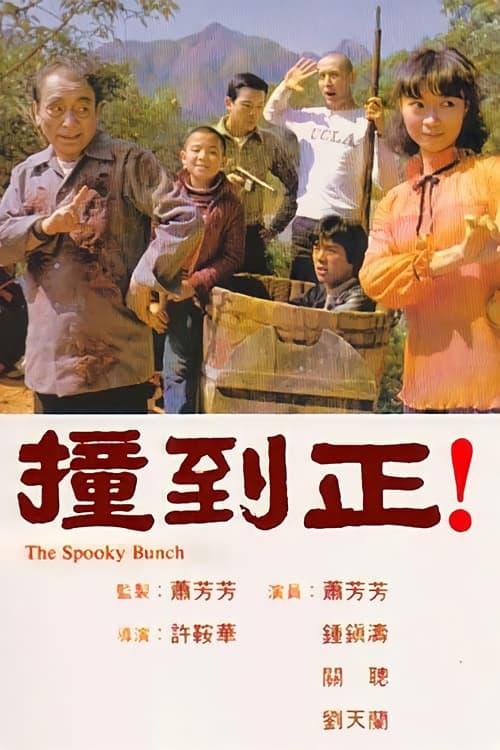
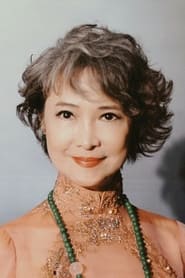
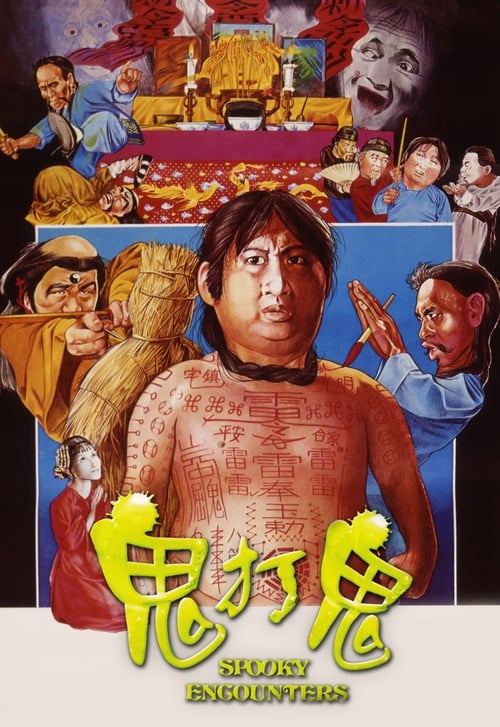
The story of The Spooky Bunch (1980) unfolds with a rickety Cantonese opera troupe preparing to journey to the remote island of Cheung Chau. The troupe, accustomed to modest gigs, is suddenly thrust into an unusual spotlight when the wealthy and imposing Mr. Ma hires them for a special performance. Mr. Ma's demand is clear and unsettling: Ah Chi, a second-rate supporting actress played by Josephine Siao, must take the leading role in the upcoming show. This is no mere artistic whim; Mr. Ma has a deeper, personal agenda tied to an ancient family curse.
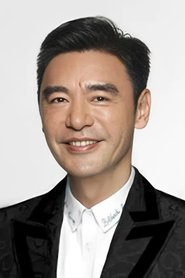
As the troupe arrives on Cheung Chau, the atmosphere is thick with unease. The island's isolation adds to the tension, a place where the past seems to linger in the shadows. Mr. Ma's residence, a grand yet foreboding mansion, becomes the staging ground for the opera and the unfolding drama. Here, Mr. Ma reveals to his nephew Dick Ma, portrayed by Kenny Bee, the grim legacy that haunts their family. Generations ago, Ah Chi's grandfather cursed the Ma family to never have descendants, a curse born from a bitter betrayal involving their ancestors.
Dick, a charming but skeptical young man, is reluctant to accept this fate or his uncle's plan. Mr. Ma insists that Dick must marry Ah Chi to break the curse and ensure the continuation of their family line. "This marriage is the only way to end the suffering," Mr. Ma tells Dick with a grave intensity, but Dick's dismissive attitude and philandering nature clash with this solemn duty.
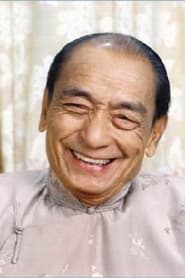
Uncle Deng, an elder and veteran member of the opera troupe who possesses the rare gift of seeing ghosts, quickly senses that the island is far from ordinary. He warns the troupe that Cheung Chau is infested with restless spirits--an army of vengeful ghosts seeking retribution for a dark atrocity committed by their ancestors. This revelation casts a sinister shadow over the troupe's performance and their very lives.
The historical atrocity at the heart of the curse is chilling: both families' grandfathers profited from selling ineffective medicines to a military platoon during a devastating epidemic. The resulting deaths wiped out the entire platoon, and the spirits of these soldiers now haunt the island, their wrath unyielding. This backstory is revealed through tense conversations and ghostly visions, deepening the film's eerie atmosphere.
As the opera troupe rehearses and performs, supernatural chaos erupts. The troupe's leading actor, known only as No. One (Kwan Chung), becomes a frequent target of possession by a mischievous female ghost named Cat Shit. Her playful yet malevolent interference causes havoc, turning rehearsals into scenes of chaos and dark comedy. No. One, under Cat Shit's influence, lashes out violently, slashing at his fellow actresses in a terrifying moment that blurs the line between performance and reality.
The ghostly disturbances escalate quickly. The troupe members, including Ah Chi and Dick, face relentless possession attempts and attacks from the spectral army. Uncle Deng's ghost-seeing abilities become crucial as he tries to understand and combat the supernatural forces. At one point, a frantic scene unfolds where the possessed No. One is pacified only after being laid comatose, his bed plastered with protective paper charms by a quick-thinking troupe member wielding talismanic darts.
Dick's skepticism is severely tested as he witnesses the ghostly onslaught firsthand. The ghosts do not merely haunt--they kill and possess with deadly intent. Though the sources do not specify every death in detail, it is clear that the troupe suffers casualties and near-fatal encounters, with the ghosts' vengeance manifesting physically and terrifyingly.
Tensions peak when Mr. Ma's insistence on the marriage between Dick and Ah Chi leads to conflict. Dick resists, unwilling to be bound by superstition or obligation, while Ah Chi is caught between her role in the troupe and the weight of the curse. Their personal struggles intertwine with the supernatural siege, creating a layered narrative of fear, duty, and resistance.
The climax of the film is a crescendo of ghostly mayhem. The army of spirits fully manifests on Cheung Chau, launching a chaotic assault on the troupe and Mr. Ma's family. Possessions multiply, and the line between the living and the dead blurs. The opera troupe's temporary quarters become a battleground where screams echo and shadows writhe. The visual spectacle is vivid: lanterns swinging in the dark, spectral figures darting through narrow corridors, and frantic chases reminiscent of a Scooby-Doo cartoon, blending horror with farce.
In the final confrontation, Dick and Ah Chi, supported by Uncle Deng's insights, face the ghosts directly. The film does not shy away from the brutal reality of the curse's power. Despite their courage, the ghosts' vengeance seems relentless, and the film closes on an ambiguous note. The curse remains potent, the ghosts' revenge ongoing, and the hoped-for resolution through marriage remains uncertain.
The last scenes are a whirlwind of ghostly chaos, with the troupe fleeing and fighting amidst the supernatural turmoil. The mischievous Cat Shit continues her antics, embodying the film's blend of horror and dark humor. The camera lingers on the haunted island, a place where the past refuses to rest and the future is shrouded in spectral uncertainty.
In the end, The Spooky Bunch leaves viewers with a haunting tableau: a family curse unresolved, a troupe forever changed by their encounter with the supernatural, and an island haunted by the ghosts of betrayal and death. The film's narrative is a seamless weave of Cantonese opera tradition, ghostly horror, and the tragic weight of ancestral sins, culminating in a chilling, unforgettable story.
More Movies Like This
Browse All Movies →
What is the ending?
In the ending of "The Spooky Bunch," the main characters confront the supernatural forces that have been haunting them throughout the film. They band together to face their fears, ultimately overcoming the malevolent spirit that has been terrorizing them. The film concludes with a sense of resolution as the characters find peace, and the haunted location is freed from its dark past.
As the final act unfolds, the atmosphere is thick with tension. The characters, having gathered their courage, enter the decrepit mansion that has been the source of their nightmares. The air is heavy with the scent of mildew and decay, and the flickering lights cast eerie shadows on the walls. Each character is visibly shaken, their faces pale and eyes wide with fear, yet they are determined to confront the entity that has tormented them.
Scene by scene, the group navigates the darkened hallways, their footsteps echoing ominously. They share nervous glances, each one grappling with their own internal demons. The leader of the group, a brave and resourceful character, takes charge, urging everyone to stay close and remain focused. As they reach the heart of the mansion, they find themselves in a grand but dilapidated ballroom, where the malevolent spirit manifests in a swirling mist, its form shifting and contorting.
The spirit, a representation of their collective fears and regrets, taunts them, drawing on their insecurities. Each character is forced to confront their personal struggles--one character faces the guilt of a past mistake, another grapples with feelings of inadequacy, and yet another confronts the loss of a loved one. The emotional weight of these revelations hangs in the air, creating a palpable tension.
In a climactic moment, the group unites, channeling their strength and support for one another. They recite a chant they discovered earlier in the film, a ritual meant to banish the spirit. As they speak the words, the atmosphere shifts; the air crackles with energy, and the spirit begins to wail, its form becoming unstable. The characters, fueled by their shared resolve, hold hands tightly, their expressions shifting from fear to determination.
With a final, powerful incantation, the spirit is expelled, dissipating into a cloud of shimmering light. The mansion trembles, and the oppressive atmosphere lifts, replaced by a sense of calm. The characters, now visibly relieved, embrace one another, tears of joy and exhaustion mingling on their cheeks. They have not only vanquished the spirit but have also confronted their own fears, emerging stronger and more united.
As the sun rises, casting warm light through the broken windows of the mansion, the characters step outside, breathing in the fresh air. They look back at the now peaceful structure, a symbol of their victory over the darkness that once resided within. Each character reflects on their journey, acknowledging the growth they have experienced. The leader smiles, knowing that they have not only freed the mansion from its haunted past but have also forged unbreakable bonds with one another.
In the final moments, the camera pans out, showing the group walking away together, their silhouettes framed against the dawn. The film closes on a note of hope, suggesting that while the past may haunt them, they have the strength to face whatever comes next, together.
Is there a post-credit scene?
The movie "The Spooky Bunch," produced in 1980, does not feature a post-credit scene. The film concludes with a climactic resolution that ties up the main plot threads, leaving the audience with a sense of closure regarding the characters and their supernatural adventures. The final moments focus on the protagonists reflecting on their experiences and the lessons learned, emphasizing themes of friendship and bravery in the face of fear. As the credits roll, the atmosphere remains light-hearted, consistent with the film's overall tone, and there are no additional scenes or surprises after the credits.
How does the group dynamic change throughout the film?
Initially, the group is united by their curiosity and excitement about the haunted house. However, as they encounter supernatural events, fear and distrust begin to surface. Tom's skepticism clashes with Lisa's sensitivity, leading to arguments that test their friendships. Ultimately, they must learn to rely on each other, transforming their relationships from superficial bonds to deep connections forged through shared experiences.
What is the significance of the haunted house in The Spooky Bunch?
The haunted house serves as the central setting for the film, representing both a physical and emotional battleground for the characters. It is filled with eerie sounds, flickering lights, and ghostly apparitions that reflect the characters' inner fears and unresolved issues. As the characters explore the house, they confront their pasts, leading to moments of revelation and growth.
Who are the main characters in The Spooky Bunch and what are their motivations?
The main characters include a group of friends: Tom, the skeptical leader; Lisa, the sensitive empath; Mike, the comic relief; and Sarah, the brave one. Tom is motivated by a desire to debunk the myths surrounding the haunted house, while Lisa seeks to understand the emotional turmoil of the spirits. Mike uses humor to mask his fear, and Sarah is driven by a need to prove her courage, leading to tension and camaraderie among the group.
What role do the ghosts play in the development of the story?
The ghosts in The Spooky Bunch are manifestations of the characters' fears and regrets. Each ghost has a backstory that parallels the struggles of the main characters, forcing them to confront their own issues. For instance, one ghost represents lost love, prompting Lisa to reflect on her past relationships, while another embodies guilt, pushing Tom to face his mistakes.
What is the climax of The Spooky Bunch and how does it affect the characters?
The climax occurs when the group faces the most powerful ghost in the house, which embodies their collective fears. In a tense confrontation, they must work together to confront the ghost, leading to a moment of self-discovery for each character. This pivotal scene forces them to acknowledge their vulnerabilities and ultimately strengthens their bonds, allowing them to leave the haunted house changed for the better.
Is this family friendly?
"The Spooky Bunch," produced in 1980, is a family-friendly film that combines elements of comedy and light-hearted horror. However, there are a few scenes and aspects that might be considered potentially objectionable or upsetting for children or sensitive viewers:
-
Mild Frights: The film includes spooky imagery and jump scares that may startle younger viewers, such as ghostly apparitions and eerie sound effects.
-
Silly Monsters: While the monsters are portrayed in a comedic light, some children might find them unsettling or frightening, especially during their first appearances.
-
Mild Language: There are instances of mild language that may not be suitable for very young children, though it is not excessive.
-
Themes of Fear: The film explores themes of fear and overcoming it, which may resonate differently with sensitive viewers, as some characters face their fears in exaggerated ways.
-
Silly Situations: Some comedic situations may involve characters in perilous or spooky scenarios, which could be interpreted as distressing by more sensitive audiences.
Overall, while "The Spooky Bunch" is designed to be entertaining for families, these elements may require parental guidance for younger viewers.









