














Popular
What are the main character's motivations throughout the film?
What role does the setting play in shaping the characters' experiences?
What significant events lead to the climax of the film?
How does the relationship between Chulo and his friends evolve during the film?
How does Chulo's family background impact his choices in the film?
Should I watch it?
Ask Your Own Question

What is the plot?
Madrid, 1981. The city pulses with the energy of a society in transition, caught between the fading shadows of Franco's regime and the uncertain promise of democracy. The streets are alive with music, laughter, and the scent of cheap perfume and cigarette smoke. In the heart of the city, the neon lights of Félix Rebolledo's cabaret flicker like a beacon, drawing in the curious, the desperate, and the decadent. Félix Rebolledo, a man whose charm is as sharp as his tailored suits, stands behind the bar, surveying his kingdom with a practiced eye. He owns not only this cabaret but also two bingo halls and three brothels--his empire built on vice, ambition, and a network of loyal, if morally compromised, associates.
The camera lingers on Félix's face, his smile never quite reaching his eyes. He is a pimp, a businessman, a man who knows how to get what he wants. His latest project is the opening of a new nightclub, a "party hall" that will be the crown jewel of his empire. But Félix is not alone in his ambitions. His nephew, Javier Rebolledo, a strict, morally upright young man, watches his uncle with a mixture of disdain and concern. Javier is the son of Félix's late brother, and he has inherited his father's sense of duty and integrity. He is determined to stop Félix from opening the new club, convinced that it will only bring more corruption and suffering to the city.
The story begins on a warm spring evening, the cabaret buzzing with activity. Félix is in his element, schmoozing with customers, flirting with the dancers, and making deals in the shadows. He is joined by his right-hand man, Manuel, a grizzled veteran of the nightlife scene who has seen it all. Manuel is loyal to Félix, but he is also wary of the risks involved in the new venture. The two men share a drink, their conversation laced with innuendo and veiled threats.
Meanwhile, Javier is at home, poring over legal documents and newspaper clippings. He is determined to find a way to stop his uncle, to expose the truth about his businesses and the people who work for him. He is joined by his girlfriend, Lucía, a compassionate woman who shares his ideals but is also drawn to the allure of the city's nightlife. Lucía is torn between her love for Javier and her fascination with the world that Félix represents.
As the days pass, Félix's plans for the new nightclub begin to take shape. He secures a prime location in the city center, a grand old building that once housed a theater. The renovation is swift, the workers moving with a sense of urgency. Félix is everywhere, overseeing every detail, from the lighting to the sound system. He is determined to make the club a success, to prove that he is more than just a pimp, that he is a visionary.
But Javier is not idle. He begins to investigate Félix's businesses, digging into the past and uncovering secrets that Félix would rather keep hidden. He discovers that the cabaret is a front for a network of illegal activities, from gambling to prostitution. He learns that the bingo halls are used to launder money, and that the brothels are run with an iron fist, the women treated as little more than commodities. Javier is horrified, but he is also determined to bring his uncle to justice.
The tension between uncle and nephew grows, their confrontations becoming more frequent and more heated. One night, after a particularly heated argument, Félix storms out of the cabaret, leaving Javier and Lucía alone. Javier is shaken, but he is also more determined than ever. He begins to gather evidence, building a case against his uncle.
As the opening night of the new nightclub approaches, the city is abuzz with anticipation. The club is a marvel, a glittering palace of excess and indulgence. Félix is in high spirits, his confidence unshaken. He is joined by Manuel and a host of other associates, all eager to celebrate the culmination of their efforts.
But Javier is not ready to give up. He has managed to secure the support of a powerful bishop, Bishop Alvarado, a man known for his moral authority and his influence in the community. Javier convinces the bishop to intervene, to use his position to stop the opening of the club. The bishop is hesitant, but he is moved by Javier's passion and his sense of justice.
On the night of the opening, the club is packed with guests, the air thick with excitement and anticipation. Félix is at the center of it all, basking in the adoration of his guests. But as the night progresses, the tension builds. Javier arrives, accompanied by Bishop Alvarado. The bishop addresses the crowd, his voice calm but firm. He speaks of morality, of the dangers of vice, of the need for the community to stand together against corruption.
Félix is furious, but he knows he cannot openly defy the bishop. He tries to charm the crowd, to dismiss the bishop's words as the ramblings of a moralistic old man. But the bishop is not easily swayed. He reveals that he has been bribed by Félix in the past, that he has turned a blind eye to his activities in exchange for money and favors. The revelation shocks the crowd, and Félix is left exposed, his reputation in tatters.
In the aftermath, Félix is forced to close the club, his empire crumbling around him. He is left alone, a broken man, his dreams of grandeur shattered. Javier, meanwhile, is hailed as a hero, his actions inspiring others to stand up against corruption and injustice.
But the story does not end there. As the dust settles, Javier begins to question his own motives. He realizes that his obsession with stopping his uncle has consumed him, that he has become as ruthless and uncompromising as the man he sought to defeat. He is left to grapple with the consequences of his actions, to find a way to reconcile his ideals with the complexities of the world around him.
The film ends with a quiet moment, Javier and Lucía walking through the city streets, the neon lights of the cabaret flickering in the distance. They are silent, lost in their thoughts, the weight of the past hanging heavy in the air. The city continues to pulse with life, a reminder that the struggle between good and evil, between ambition and morality, is never truly over.
In the final scene, Félix is seen sitting alone in the cabaret, the once-bustling club now empty and silent. He stares at the stage, a faint smile playing on his lips. Despite everything, he is not defeated. He knows that the city will always need men like him, that the cycle of vice and ambition will continue. And as the camera pulls back, the neon lights flicker one last time, a symbol of the enduring allure of the nightlife, of the endless dance between light and shadow.
More Movies Like This
Browse All Movies →

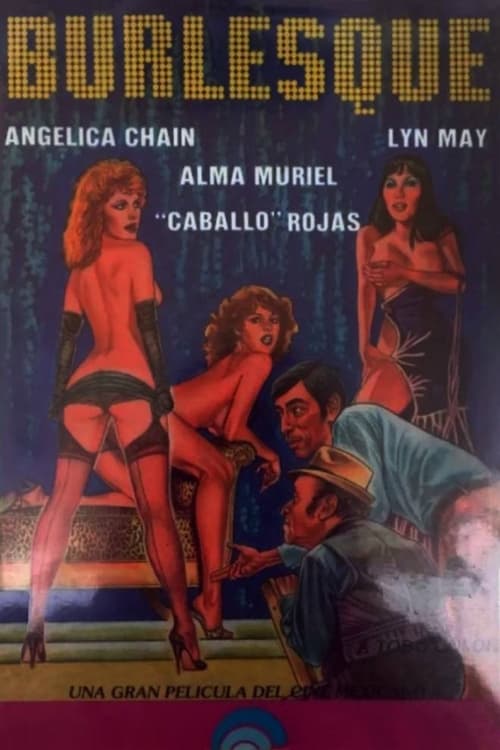


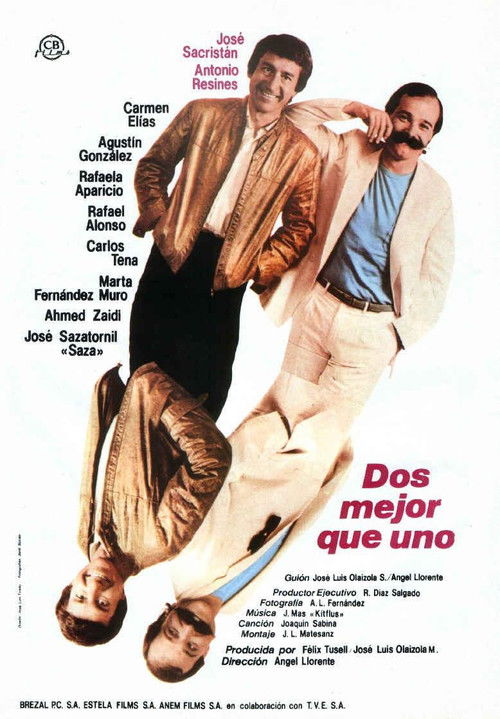


What is the ending?
In the ending of "Los chulos," the main characters face the consequences of their actions throughout the film. The story culminates in a confrontation that leads to a resolution of their conflicts, revealing the true nature of their relationships and the impact of their choices.
As the film progresses towards its conclusion, the tension among the characters escalates. The protagonist, who has been navigating a complex web of friendships and rivalries, finds himself at a crossroads. The emotional stakes are high as he grapples with feelings of betrayal and loyalty.
In the final scenes, a pivotal confrontation occurs, where the protagonist must confront his closest friends and enemies. The atmosphere is charged with unresolved emotions, and the characters are forced to reckon with their past decisions. The protagonist's internal struggle is palpable as he weighs the importance of friendship against the need for personal integrity.
Ultimately, the film concludes with a sense of resolution. The protagonist makes a choice that reflects his growth throughout the narrative. The fate of each character is revealed: some find redemption, while others face the consequences of their actions. The ending leaves the audience with a poignant reflection on the nature of relationships and the impact of choices made in the heat of the moment.
In a more detailed narrative:
As the sun sets over the city, casting long shadows on the streets, the protagonist, a young man caught in the throes of youthful bravado and peer pressure, stands at a crossroads. He has been embroiled in a series of conflicts with his friends, who have become embroiled in a lifestyle that teeters on the edge of recklessness. The air is thick with tension as he prepares to confront them, knowing that this moment could change everything.
The scene shifts to a dimly lit alley where the protagonist meets his friends. Their faces are a mix of defiance and uncertainty, reflecting the emotional turmoil that has been building throughout the film. The protagonist's heart races as he recalls the moments of camaraderie and the betrayals that have led them to this point. He feels a deep sense of loyalty to his friends, yet he is also aware of the destructive path they are on.
As the confrontation unfolds, accusations fly, and the atmosphere becomes increasingly charged. The protagonist's voice trembles with emotion as he expresses his disappointment in their choices. He feels a profound sense of loss for the friendships that once brought him joy. The camera captures the raw emotions on their faces--anger, regret, and fear--as they grapple with the reality of their situation.
In a climactic moment, the protagonist makes a stand, declaring that he can no longer be part of their reckless lifestyle. This decision is met with resistance from his friends, who feel betrayed by his choice to distance himself. The emotional weight of the moment hangs heavy in the air, and the protagonist's internal struggle is laid bare. He knows that this choice may cost him his friendships, but he also understands that he must prioritize his own integrity.
As the dust settles, the fate of each character becomes clear. Some of his friends, realizing the error of their ways, begin to reconsider their choices, hinting at a possible path to redemption. Others, however, remain entrenched in their reckless behavior, facing the consequences of their actions as the protagonist walks away, a mixture of sadness and resolve in his heart.
The film closes with the protagonist looking back one last time, a bittersweet expression on his face. He understands that while he may have lost some friends, he has gained a sense of self-awareness and strength. The final shot lingers on the city skyline, symbolizing the uncertain yet hopeful future that lies ahead for him, as he steps into a new chapter of his life, leaving behind the chaos of his past.
Is there a post-credit scene?
"Los chulos," produced in 1981, does not feature a post-credit scene. The film concludes its narrative without any additional scenes or content after the credits roll. The story wraps up with the final events of the plot, leaving the audience with a sense of closure regarding the characters and their journeys. The focus remains on the main storyline and character arcs throughout the film, culminating in a definitive ending.
What are the main character's motivations throughout the film?
The main character, a young man named Chulo, is driven by a desire to prove himself and gain respect within his community. He struggles with feelings of inadequacy and seeks validation through his relationships and actions.
What role does the setting play in shaping the characters' experiences?
The film is set in a vibrant urban environment that reflects the struggles and aspirations of its characters. The streets, local hangouts, and community events serve as backdrops for key moments, influencing the characters' interactions and decisions.
What significant events lead to the climax of the film?
Several pivotal events, including a betrayal among friends and a confrontation with rival groups, escalate tensions and lead to the climax. These moments force Chulo to confront his values and the consequences of his actions, ultimately shaping his character arc.
How does the relationship between Chulo and his friends evolve during the film?
Chulo's relationships with his friends are initially based on camaraderie and shared experiences, but as the story progresses, tensions arise due to differing ambitions and moral choices, leading to conflicts that test their loyalty and friendship.
How does Chulo's family background impact his choices in the film?
Chulo comes from a modest family, which instills in him a strong work ethic but also a sense of pressure to succeed. His family's expectations weigh heavily on him, influencing his decisions and pushing him to seek a better life through sometimes questionable means.
Is this family friendly?
"Los chulos," produced in 1981, is a film that contains several elements that may not be considered family-friendly. Here are some potentially objectionable or upsetting aspects:
-
Mature Themes: The film explores adult relationships and the complexities of love, which may not be suitable for younger audiences.
-
Violence: There are scenes that depict physical confrontations and aggressive behavior, which could be distressing for children or sensitive viewers.
-
Language: The dialogue includes strong language and adult conversations that may not be appropriate for younger viewers.
-
Sexual Content: The film contains suggestive themes and situations that may be uncomfortable for children or those sensitive to sexual content.
-
Emotional Turmoil: Characters experience significant emotional struggles, including heartbreak and betrayal, which could be upsetting for some viewers.
These elements contribute to a tone that may not be suitable for all audiences, particularly children or those who are sensitive to such themes.







