



















Popular
What motivates Red to pursue his dream of becoming a country music star?
How does the relationship between Red and his nephew, Whit, evolve throughout the film?
What challenges does Red face on his journey to Nashville?
What role does music play in Red's life and the film overall?
How does Red's health impact his journey and his relationship with Whit?
Should I watch it?
Ask Your Own Question

What is the plot?
Sorry, we aren't able to watch and write up a full detailed plot yet. Check back in a few days.
More Movies Like This
Browse All Movies →


What is the ending?
In the ending of "Honkytonk Man," the main character, Red Stovall, performs at a country music contest but ultimately succumbs to his illness. His young nephew, Whit, who has been traveling with him, is left to carry on the dream of music. The film concludes with a sense of bittersweet hope as Whit takes the stage, inspired by Red's legacy.
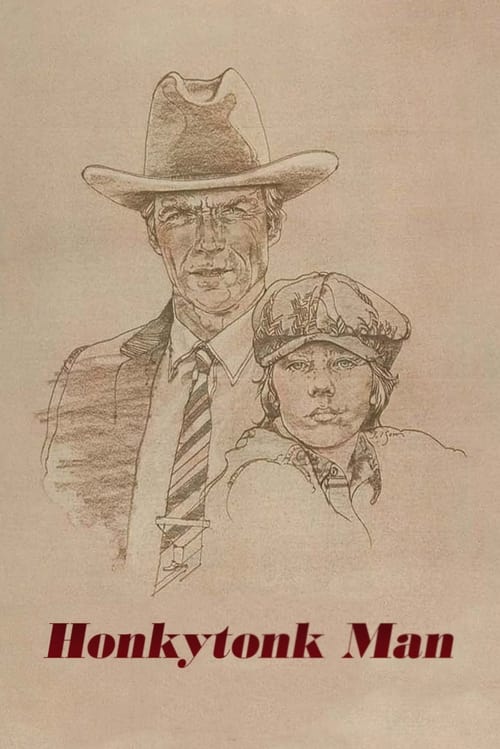
As the film approaches its climax, we find Red Stovall, played by Clint Eastwood, in a small town in Texas, preparing for the country music contest that he has long dreamed of entering. The atmosphere is charged with anticipation, and Red, despite his failing health, is determined to perform. He is acutely aware that this may be his last chance to showcase his talent and fulfill his aspirations as a musician.
The scene opens with Red backstage, his frail body betraying the vibrant spirit within. He is dressed in a worn but colorful outfit, a testament to his life as a honky-tonk singer. His nephew, Whit, portrayed by Kyle Eastwood, stands by his side, filled with a mix of pride and anxiety. Whit has been Red's companion throughout their journey, absorbing the lessons of life and music from his uncle. The bond between them is palpable, underscored by the shared dreams and struggles they have faced together.
As Red steps onto the stage, the audience is a mix of curious locals and fellow musicians, all eager to witness the contest. The lights shine brightly, illuminating Red's weathered face, which reflects both determination and vulnerability. He begins to sing, his voice resonating with the raw emotion of his experiences. The song tells a story of heartache and resilience, capturing the essence of his life as a traveling musician. The audience is captivated, and for a moment, Red is transported back to his prime, lost in the music.
However, as he performs, it becomes increasingly clear that Red's health is deteriorating. He struggles to maintain his breath, and the strain is evident in his voice. Yet, he pushes through, driven by the desire to leave a lasting impression and to inspire Whit. The performance is both a celebration of his life and a farewell, a poignant moment that encapsulates his journey.
After the performance, Red collapses backstage, and the reality of his condition hits hard. Whit rushes to his side, panic and fear etched on his young face. Red, in his final moments, shares words of encouragement with Whit, urging him to pursue his own dreams and to keep the spirit of music alive. This exchange is filled with deep emotional weight, as Red acknowledges his impending fate while instilling hope in his nephew.
As Red passes away, the scene shifts to Whit, who is left grappling with the loss of his beloved uncle. The contest concludes, and the audience is left in a somber mood, reflecting on the impact of Red's performance. Whit, now alone but inspired, takes the stage to honor Red's legacy. He stands in front of the microphone, his heart racing, but he knows he must carry on. The moment is bittersweet; he is filled with grief yet also a newfound determination to embrace the world of music that Red had cherished.
The film closes with Whit singing, his voice trembling but strong, echoing the lessons learned from Red. The audience watches, some with tears in their eyes, as the young boy channels his uncle's spirit. The final shot captures Whit's face, a mixture of sorrow and hope, as he begins to carve out his own path in the world of country music, symbolizing the continuation of dreams and the enduring bond between uncle and nephew. The screen fades to black, leaving viewers with a sense of both loss and the promise of new beginnings.
Is there a post-credit scene?
The movie "Honkytonk Man," produced in 1982, does not have a post-credit scene. The film concludes with a poignant ending that encapsulates the journey of the main characters, particularly focusing on the relationship between the aspiring young musician, Red Callender, and his uncle, the aging country singer, who is portrayed by Clint Eastwood. The emotional weight of their experiences and the themes of dreams, loss, and the passage of time are fully realized in the final moments of the film, leaving no additional scenes or content after the credits.
What motivates Red to pursue his dream of becoming a country music star?
Red, played by Clint Eastwood, is driven by a deep-seated desire to achieve fame and recognition as a country music singer. His passion for music is intertwined with his longing for a sense of purpose and validation, especially as he faces the realities of aging and illness. This motivation is further fueled by his relationship with his young nephew, who becomes both a companion and a source of inspiration on their journey.
How does the relationship between Red and his nephew, Whit, evolve throughout the film?
Initially, Whit, portrayed by Kyle Eastwood, is a naive and somewhat reluctant companion to his uncle Red. As they travel together, their bond deepens through shared experiences, hardships, and the joy of music. Whit learns to appreciate Red's passion and resilience, while Red finds a renewed sense of hope and purpose through his nephew's youthful enthusiasm. Their relationship transforms from one of obligation to a profound connection built on mutual respect and love.
What challenges does Red face on his journey to Nashville?
Red encounters numerous obstacles on his journey to Nashville, including financial difficulties, health issues, and the harsh realities of the music industry. His struggle with alcoholism also complicates his quest, leading to moments of vulnerability and self-doubt. Additionally, the duo faces the challenges of traveling through the American South during the Great Depression, where they must navigate societal prejudices and the unpredictability of life on the road.
What role does music play in Red's life and the film overall?
Music serves as the heartbeat of Red's existence and the film itself. It represents his dreams, his struggles, and his identity. Throughout the film, Red's performances and the songs he sings reflect his emotional state, his past experiences, and his aspirations. Music becomes a means of connection between Red and Whit, as well as a way for Red to express his innermost feelings and desires, ultimately highlighting the transformative power of art.
How does Red's health impact his journey and his relationship with Whit?
Red's declining health, marked by his battle with tuberculosis, casts a shadow over their journey. It creates a sense of urgency and poignancy, as Red grapples with the reality that time is not on his side. This struggle affects his relationship with Whit, as the young boy must confront the possibility of losing his uncle. Red's determination to fulfill his dreams despite his illness serves as a powerful lesson for Whit about resilience and the importance of pursuing one's passions, even in the face of adversity.
Is this family friendly?
"Honkytonk Man," produced in 1982, is a film that, while centered around themes of family and music, contains several elements that may be considered objectionable or upsetting for children or sensitive viewers.
-
Alcohol Use: The film prominently features characters who drink alcohol, including scenes of excessive drinking that may not be suitable for younger audiences.
-
Death and Grief: The narrative includes themes of mortality and loss, as the main character faces health issues and the reality of death, which could be distressing for sensitive viewers.
-
Family Struggles: There are moments of familial tension and conflict, particularly between the main character and his family, which may evoke feelings of discomfort or sadness.
-
Violence: While not graphic, there are instances of confrontations and altercations that could be unsettling for younger viewers.
-
Emotional Turmoil: The characters experience significant emotional struggles, including disappointment and despair, which may resonate deeply and evoke strong feelings.
Overall, while the film has a heartwarming core, these elements may make it less suitable for a family-friendly viewing experience, particularly for younger children or those sensitive to such themes.








