

















Popular
What motivates Martin Guerre to return to his village after years of absence?
How does Bertrande react to the return of Martin Guerre?
What evidence is presented during the trial to determine the true identity of Martin Guerre?
What role does the character of the impostor play in the story?
How does the community react to the return of Martin Guerre and the subsequent trial?
Should I watch it?
Ask Your Own Question

What is the plot?
Sorry, we aren't able to watch and write up a full detailed plot yet. Check back in a few days.


What is the ending?
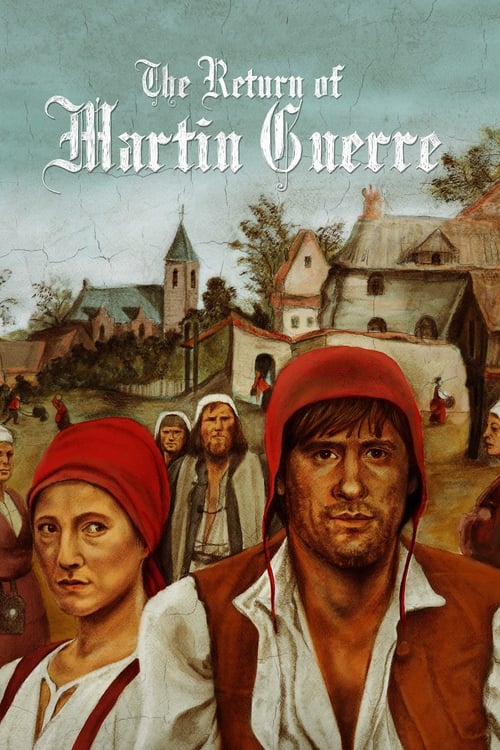
In the ending of "The Return of Martin Guerre," the true Martin Guerre is revealed, and the impostor, Arnaud du Tilh, is put on trial. The villagers and the court must confront the truth of identity and belonging. Ultimately, Arnaud is found guilty of deception and is executed, while the real Martin Guerre is reunited with his wife, Bertrande, but their relationship is forever altered by the events that transpired.
As the film approaches its conclusion, the tension builds around the trial of Arnaud du Tilh, who has been living as Martin Guerre for several years. The courtroom is filled with villagers, all eager to witness the proceedings. Arnaud, confident and charismatic, attempts to defend his actions, claiming that he has brought happiness to Bertrande and the community. However, the true Martin Guerre, having returned from his long absence, stands as a stark reminder of the life that was stolen from him.
The scene shifts to the moment when the real Martin Guerre is presented to the court. His presence is met with shock and disbelief from the villagers who had accepted Arnaud as one of their own. The emotional weight of this revelation hangs heavily in the air, as Bertrande's face reflects a mix of joy and confusion. She is torn between the man she loved and the husband she thought had returned.
As the trial unfolds, witnesses are called to testify about their experiences with Arnaud. Some speak of his charm and the way he filled the void left by Martin's absence, while others express their anger and betrayal. The courtroom becomes a battleground of emotions, with the villagers grappling with their loyalties and the implications of identity.
In a pivotal moment, Arnaud's facade begins to crumble as he struggles to maintain his story under the scrutiny of the court. The tension escalates when the true Martin Guerre recounts specific details of his life that only he would know, further solidifying his identity. The villagers, once enamored with Arnaud, now face the painful reality of their misplaced trust.
The climax of the trial culminates in Arnaud's conviction. The court finds him guilty of impersonation and deceit, and he is sentenced to death. The villagers watch in silence, their expressions a mixture of regret and relief. Arnaud's fate is sealed, and he is led away, his bravado replaced by despair.
In the final scenes, Martin and Bertrande confront the aftermath of the trial. Their reunion is bittersweet, as they both realize that the years apart have changed them irrevocably. Bertrande, who had once embraced Arnaud as her husband, now faces the reality of her true love's return. The emotional distance between them is palpable, as they navigate the complexities of their relationship in the wake of betrayal and loss.
The film concludes with Martin Guerre walking away from the village, a man marked by his experiences. He is a survivor of war and deception, yet the scars of his journey remain. Bertrande watches him go, her heart heavy with the knowledge that their lives will never be the same. The final shot lingers on her face, capturing the essence of longing and the weight of choices made in the name of love and identity. The story closes, leaving the audience to ponder the nature of belonging and the profound impact of the past on the present.
Is there a post-credit scene?
The movie "The Return of Martin Guerre," produced in 1982, does not have a post-credit scene. The film concludes with a poignant ending that encapsulates the themes of identity, love, and betrayal, leaving the audience to reflect on the complex emotions and moral dilemmas faced by the characters. The story wraps up with the resolution of Martin Guerre's identity crisis and the implications of his return, focusing on the emotional weight of the narrative rather than any additional scenes after the credits.
What motivates Martin Guerre to return to his village after years of absence?
Martin Guerre returns to his village after a long absence due to the desire to reclaim his life and identity. He has been away fighting in the wars, and upon his return, he seeks to reconnect with his wife, Bertrande, and the life he left behind. His motivations are complex, as he grapples with the changes that have occurred in his absence and the longing for belonging.
How does Bertrande react to the return of Martin Guerre?
Bertrande is initially overwhelmed by the return of Martin Guerre, as she had believed him to be dead. Her emotions are a mix of joy and confusion, as she struggles to reconcile the man who has returned with the husband she remembers. As she observes his behavior and mannerisms, she becomes increasingly convinced that he is indeed her husband, despite the doubts that arise.
What evidence is presented during the trial to determine the true identity of Martin Guerre?
During the trial, various pieces of evidence are presented, including testimonies from villagers who knew Martin Guerre before his departure. They discuss physical characteristics, personal anecdotes, and the differences in behavior between the returning man and the original Martin. The trial becomes a spectacle, highlighting the community's divided opinions and the emotional stakes involved.
What role does the character of the impostor play in the story?
The impostor, who claims to be Martin Guerre, plays a crucial role in the narrative as he embodies the complexities of identity and belonging. He initially deceives the villagers and Bertrande, presenting himself as Martin with confidence. However, his motivations are driven by a desire for a better life, and as the story unfolds, his internal conflict grows as he faces the consequences of his deception.
How does the community react to the return of Martin Guerre and the subsequent trial?
The community's reaction to the return of Martin Guerre is one of mixed emotions, ranging from joy to suspicion. As the trial unfolds, the villagers become deeply invested in the outcome, reflecting their own fears and desires for identity and truth. The atmosphere is charged with tension, as friendships are tested and loyalties are questioned, ultimately leading to a dramatic confrontation over the nature of identity.
Is this family friendly?
"The Return of Martin Guerre," produced in 1982, is a historical drama that explores themes of identity, love, and betrayal. While it is a compelling narrative, there are several aspects that may be considered objectionable or upsetting for children or sensitive viewers:
-
Themes of Deception: The central plot revolves around a man who assumes another's identity, which can lead to complex emotional situations and moral dilemmas that may be difficult for younger audiences to grasp.
-
Emotional Turmoil: Characters experience intense emotional struggles, including feelings of loss, betrayal, and confusion, which may be distressing for sensitive viewers.
-
Conflict and Tension: The film includes scenes of social conflict and tension within the community, which may be unsettling, particularly as they relate to the consequences of the protagonist's actions.
-
Historical Context: The film is set in a time of rigid social structures and norms, which may include portrayals of societal judgment and ostracism that could be uncomfortable for some viewers.
-
Mature Themes: The exploration of marital fidelity, identity crises, and the implications of living a lie may not be suitable for younger audiences.
Overall, while the film is rich in narrative and character development, its mature themes and emotional depth may not be appropriate for all viewers, particularly children.







