
































Popular
What motivates Chan Ka-Kui to go undercover in the drug case?
How does Chan Ka-Kui's relationship with May impact the story?
What role does the character of the drug lord, Mr. Chiu, play in the plot?
What are the key challenges Chan Ka-Kui faces while trying to gather evidence against the drug syndicate?
How does the climax of the film showcase Chan Ka-Kui's skills as a police officer?
Should I watch it?
Ask Your Own Question

What is the plot?
Sorry, we aren't able to watch and write up a full detailed plot yet. Check back in a few days.


What is the ending?
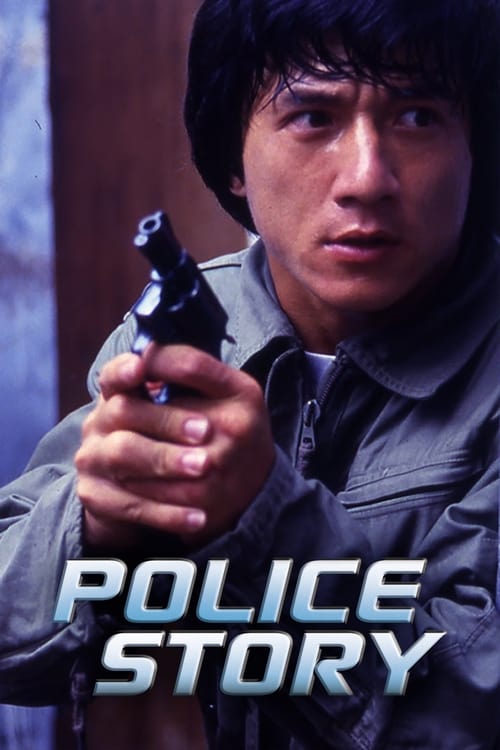
In the ending of Police Story, Chan Ka-Kui confronts the drug lord, and after an intense battle, he manages to defeat him. The police arrive, and Chan is vindicated for his earlier actions. He reconciles with his girlfriend, May, and they share a moment of happiness amidst the chaos.
As the climax unfolds, Chan Ka-Kui, portrayed by Jackie Chan, finds himself in a high-stakes showdown with the drug lord, who has been the source of much turmoil throughout the film. The scene is set in a bustling shopping mall, where the final confrontation takes place. The atmosphere is charged with tension as Chan, having already faced numerous challenges, prepares to confront the antagonist.
The battle begins with Chan using his agility and martial arts skills to navigate through the mall, dodging bullets and engaging in hand-to-hand combat with the drug lord's henchmen. The choreography is intricate, showcasing Chan's signature style, blending humor with intense action. As he fights, the stakes are palpable; he is not just fighting for his own reputation but also for the safety of those around him, including May, who has been caught in the crossfire.
During the fight, Chan's determination is evident. He is fueled by a mix of desperation and resolve, knowing that failure could mean dire consequences not just for him but for the innocent people involved. The drug lord, a menacing figure, proves to be a formidable opponent, but Chan's resourcefulness shines through. He utilizes the environment to his advantage, swinging from railings and using objects around him as weapons.
As the confrontation escalates, the police finally arrive, led by Chan's superior officer. This moment is crucial, as it signifies a turning point in Chan's journey. He has been a rogue element throughout the film, often acting outside the law to achieve justice. Now, with the police backing him, he feels a sense of validation. The arrival of law enforcement also adds a layer of urgency to the situation, as they work to apprehend the drug lord and his men.
In a climactic moment, Chan manages to corner the drug lord. The tension peaks as they engage in a final showdown. Chan's emotional state is a mix of anger and relief; he knows that this is his chance to finally bring the criminal to justice. With a series of expertly executed moves, he overpowers the drug lord, culminating in a dramatic takedown that leaves the antagonist defeated.
As the dust settles, the police take control of the situation, arresting the drug lord and his henchmen. Chan, though battered and bruised, stands tall, a sense of triumph washing over him. He has not only cleared his name but has also proven his worth as a dedicated officer. The emotional weight of the moment is palpable; he has fought hard for this victory, and it signifies a new beginning for him.
In the aftermath, Chan reunites with May, who has been anxiously waiting for him. Their relationship, which has faced numerous trials throughout the film, finds a moment of solace. They share a heartfelt embrace, symbolizing their bond and the hope for a brighter future together. The chaos of the day fades into the background as they find comfort in each other's presence.
The film concludes with a sense of resolution. Chan has faced his demons, both external and internal, and emerged victorious. The final scenes highlight the importance of perseverance, justice, and the strength of personal relationships, leaving the audience with a feeling of closure and satisfaction. Each character's fate is intertwined with Chan's journey, and as he walks away with May, it is clear that they have both grown through the trials they faced.
Is there a post-credit scene?
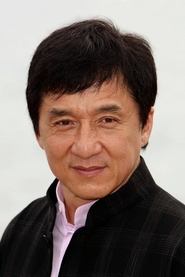
The movie "Police Story" produced in 1985 does not have a post-credit scene. The film concludes with a climactic showdown and resolution of the main conflict, focusing on the protagonist, Chan Ka-Kui, played by Jackie Chan, as he successfully apprehends the criminals and clears his name. The ending emphasizes his triumph and the restoration of his reputation, leaving no additional scenes or content after the credits roll. The film wraps up with a sense of closure, highlighting Chan's dedication to his job and his personal relationships, particularly with his love interest, May, played by Maggie Cheung.
What motivates Chan Ka-Kui to go undercover in the drug case?
Chan Ka-Kui, played by Jackie Chan, is motivated to go undercover in the drug case primarily due to his dedication to his job as a police officer and his desire to prove himself. After a botched operation leads to the arrest of a key witness, he feels a personal responsibility to ensure justice is served and to protect the innocent.
How does Chan Ka-Kui's relationship with May impact the story?
Chan Ka-Kui's relationship with May, portrayed by Maggie Cheung, adds emotional depth to the story. Initially, their relationship is strained due to Ka-Kui's commitment to his work, which often puts him in dangerous situations. As the plot unfolds, May becomes more involved, showcasing her bravery and loyalty, which ultimately strengthens their bond and provides Ka-Kui with personal motivation to succeed in his mission.
What role does the character of the drug lord, Mr. Chiu, play in the plot?
Mr. Chiu, the drug lord, serves as the primary antagonist in 'Police Story.' His ruthless nature and criminal operations create the central conflict for Chan Ka-Kui. Chiu's actions, including the kidnapping of May, escalate the stakes for Ka-Kui, pushing him to confront his fears and utilize his skills as a martial artist to rescue her and dismantle Chiu's drug empire.
What are the key challenges Chan Ka-Kui faces while trying to gather evidence against the drug syndicate?
Chan Ka-Kui faces numerous challenges while gathering evidence against the drug syndicate, including navigating the treacherous world of crime, dealing with corrupt officials, and maintaining his cover. He encounters physical confrontations with henchmen, the constant threat of exposure, and the emotional toll of putting his loved ones at risk, all of which test his resolve and resourcefulness.
How does the climax of the film showcase Chan Ka-Kui's skills as a police officer?
The climax of 'Police Story' showcases Chan Ka-Kui's skills through an intense and action-packed showdown at a shopping mall. Utilizing his martial arts expertise, agility, and quick thinking, Ka-Kui engages in a series of breathtaking stunts and fights against multiple adversaries. This sequence not only highlights his physical prowess but also his determination to protect May and bring the criminals to justice, culminating in a thrilling and memorable finale.
Is this family friendly?
"Police Story," produced in 1985, is an action film featuring intense sequences that may not be suitable for children or sensitive viewers. Here are some potentially objectionable or upsetting aspects:
-
Violence: The film contains numerous fight scenes, including hand-to-hand combat, gunfire, and car chases. The violence is often graphic and can be quite intense.
-
Injuries: Characters sustain injuries during fights, and there are scenes that depict blood and physical harm, which may be distressing.
-
Drug-related themes: The plot involves drug trafficking and criminal activities, which may not be appropriate for younger audiences.
-
Language: There are instances of strong language and profanity throughout the film.
-
Emotional distress: Characters experience significant emotional turmoil, including betrayal and loss, which may be upsetting for some viewers.
-
Police brutality: There are moments that depict aggressive police tactics, which could be concerning for sensitive viewers.
Overall, while "Police Story" is celebrated for its action and stunts, it contains elements that may not be suitable for all audiences, particularly children.








