










Popular
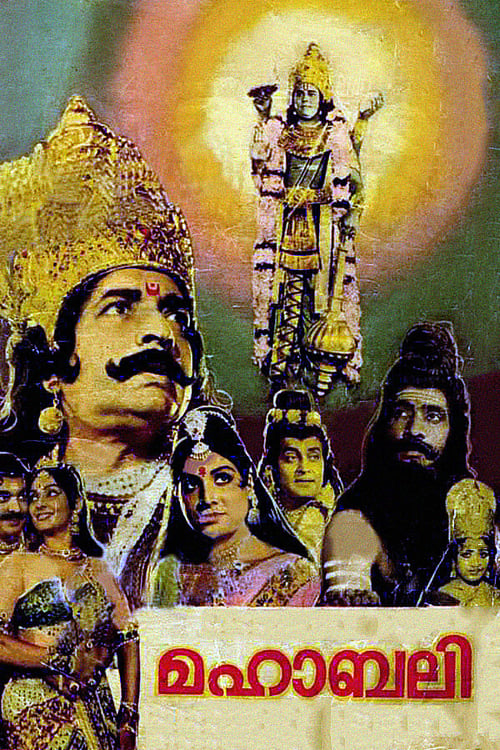
Who is the main antagonist in Mahabali and what motivates their actions?
What role does the character of Vamana play in the story?
How does Mahabali's relationship with his people influence his decisions?
What is the significance of the yajna (sacrifice) in the plot?
How does Mahabali's character evolve throughout the film?
Should I watch it?
Ask Your Own Question

What is the plot?
Sorry, we aren't able to watch and write up a full detailed plot yet. Check back in a few days.

What is the ending?
In the ending of "Mahabali," the protagonist, Mahabali, faces a tragic fate as he is betrayed by the gods and ultimately meets his demise. His loyal subjects mourn his loss, and the film concludes with a poignant reflection on sacrifice and loyalty.
As the climax of "Mahabali" unfolds, the tension escalates. Mahabali, a benevolent king, has been deceived by the gods who feel threatened by his growing power and the love he receives from his people. The gods, led by Indra, conspire to bring about his downfall. They send the beautiful Mohini, a divine enchantress, to distract Mahabali and lure him into a trap.
Scene by scene, the narrative progresses as follows:
The first scene of the climax begins in Mahabali's grand palace, where he is surrounded by his loyal subjects. The atmosphere is filled with joy and celebration, as Mahabali has just completed a grand yagna, a ritual that has brought prosperity to his kingdom. His subjects express their unwavering loyalty, and Mahabali, filled with pride, vows to protect them at all costs.
Suddenly, the mood shifts as Mohini arrives, captivating Mahabali with her beauty and charm. She dances gracefully, her movements enchanting the king and his court. Unbeknownst to Mahabali, this is a ploy by the gods to distract him from the impending danger. As he becomes entranced by Mohini, the gods prepare to strike.
In the next scene, the gods reveal their true intentions. Indra, filled with jealousy and fear, confronts Mahabali. He accuses the king of becoming too powerful and declares that he must be stopped. Mahabali, shocked and betrayed, tries to reason with Indra, asserting that he only wishes to rule justly and protect his people. However, Indra is resolute, and the confrontation escalates into a fierce battle.
The battle scene is intense, with Mahabali fighting valiantly against the gods. His strength and determination shine through as he defends his kingdom, but the gods, wielding their divine powers, overpower him. The visuals are striking, with flashes of light and energy as the gods unleash their wrath. Mahabali's loyal subjects watch in horror, their hearts heavy with despair as they witness their beloved king being defeated.
As Mahabali falls, the scene shifts to his subjects, who are devastated by the loss of their king. They gather around him, mourning his sacrifice and expressing their love and loyalty. Mahabali, even in defeat, reassures them that he will always be with them in spirit. His final words resonate with the themes of sacrifice and devotion, leaving a lasting impact on his people.
In the concluding moments, the gods, having achieved their goal, retreat, leaving behind a kingdom in mourning. The camera pans over the grieving subjects, highlighting their sorrow and the void left by Mahabali's absence. The film ends with a poignant reflection on the nature of power, loyalty, and the sacrifices made for the greater good.
In summary, Mahabali's fate is one of tragic heroism. He sacrifices himself for the love of his people, while the gods, despite their victory, are left to grapple with the consequences of their actions. The emotional weight of the ending lingers, emphasizing the themes of loyalty, sacrifice, and the complexities of power.
Is there a post-credit scene?
The movie "Mahabali," produced in 1983, does not feature a post-credit scene. The film concludes its narrative without any additional scenes or content after the credits roll. The story wraps up with the resolution of the main plot, focusing on the themes of sacrifice, loyalty, and the triumph of good over evil, leaving the audience with a sense of closure regarding the characters and their journeys.
Who is the main antagonist in Mahabali and what motivates their actions?
The main antagonist in Mahabali is the character of King Mahabali himself, who is portrayed as a benevolent ruler. However, his actions are challenged by the gods, particularly Indra, who feel threatened by Mahabali's growing power and popularity among his people. Indra's motivation stems from a desire to maintain the balance of power in the heavens and prevent Mahabali from becoming too powerful.
What role does the character of Vamana play in the story?
Vamana, the dwarf avatar of Lord Vishnu, plays a crucial role in the story of Mahabali. He appears before Mahabali during a grand yajna (sacrifice) and requests three paces of land. This seemingly simple request is a test of Mahabali's humility and devotion. Vamana's true intention is to reclaim the heavens from Mahabali, leading to a dramatic confrontation that reveals the depth of Mahabali's character and his unwavering commitment to his people.
How does Mahabali's relationship with his people influence his decisions?
Mahabali's relationship with his people is central to his character. He is depicted as a just and generous king who prioritizes the welfare of his subjects above all else. This deep bond influences his decisions, as he is willing to sacrifice his own power and position to ensure their happiness and prosperity. His commitment to his people ultimately leads him to defy the gods, showcasing his internal struggle between duty and devotion.
What is the significance of the yajna (sacrifice) in the plot?
The yajna, or sacrifice, is a pivotal event in Mahabali that serves as the backdrop for the unfolding drama. It symbolizes Mahabali's devotion to his people and his desire to perform great deeds for their benefit. However, it also attracts the attention of the gods, particularly Indra, who see it as a threat to their authority. The yajna sets the stage for Vamana's arrival and the subsequent conflict, highlighting the themes of power, sacrifice, and divine intervention.
How does Mahabali's character evolve throughout the film?
Throughout the film, Mahabali's character evolves from a powerful king to a figure of humility and sacrifice. Initially portrayed as a confident and benevolent ruler, his encounter with Vamana forces him to confront the limits of his power. As he grapples with the consequences of his actions and the impending loss of his kingdom, Mahabali's internal conflict reveals his deep love for his people and his willingness to accept his fate for their sake, ultimately transforming him into a symbol of selflessness.
Is this family friendly?
The movie "Mahabali," produced in 1983, is generally considered family-friendly, but it does contain some scenes that may be potentially objectionable or upsetting for children or sensitive viewers. Here are a few aspects to consider:
-
Violence and Conflict: The film includes scenes of battles and confrontations that may depict violence, which could be intense for younger audiences. The emotional weight of these conflicts can also be distressing.
-
Emotional Turmoil: Characters experience significant emotional struggles, including betrayal, loss, and sacrifice. These themes may resonate deeply and could be upsetting for sensitive viewers.
-
Supernatural Elements: The presence of gods and supernatural beings may be confusing or frightening for some children, especially in scenes where divine intervention occurs.
-
Moral Dilemmas: The characters face complex moral choices that may be difficult for younger viewers to understand, leading to potential confusion or distress regarding right and wrong.
-
Tragic Outcomes: The film explores themes of fate and destiny, which may lead to tragic outcomes for certain characters, potentially evoking sadness or discomfort.
Overall, while "Mahabali" is suitable for family viewing, parents may want to consider these elements when deciding if it is appropriate for their children.








